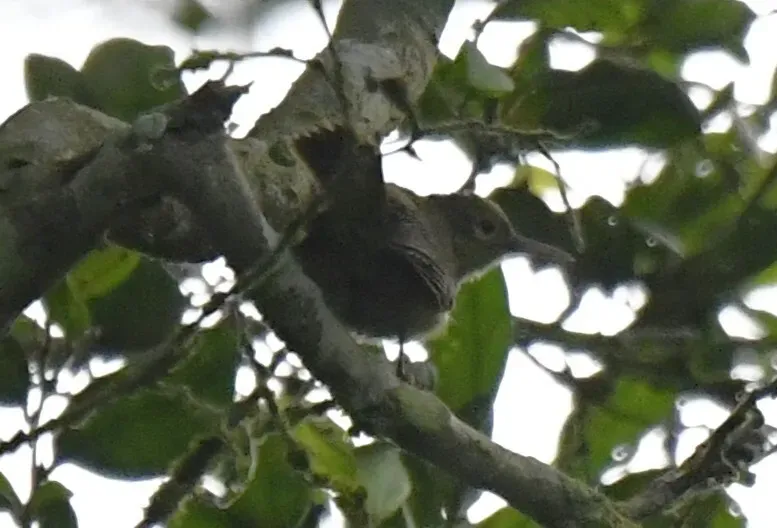
Gray Longbill
Gray Longbill
100
-
Points:
100
Not yet spotted on Fladder
Spotted
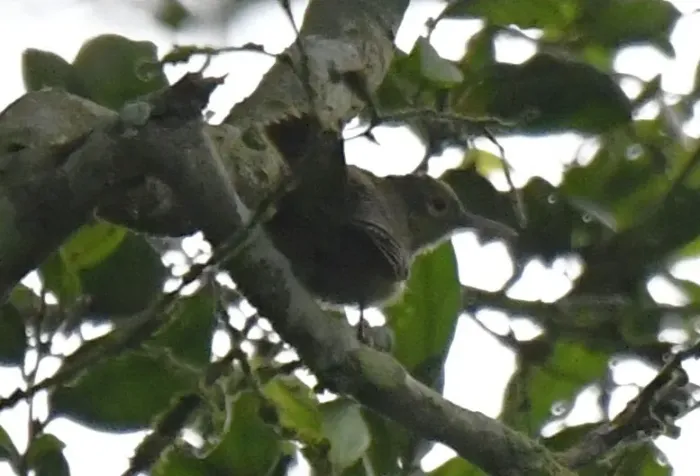
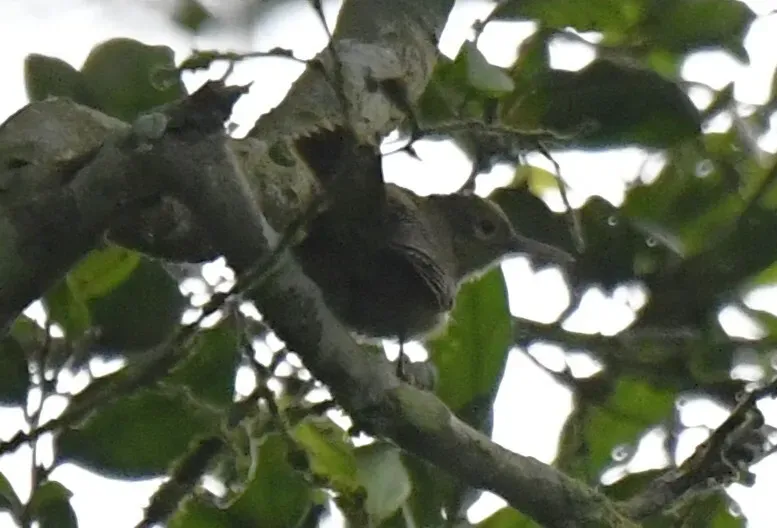
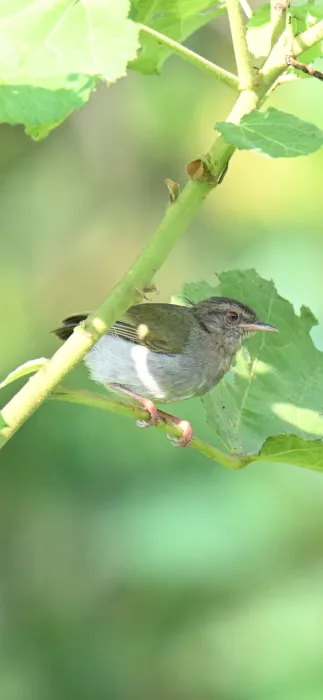
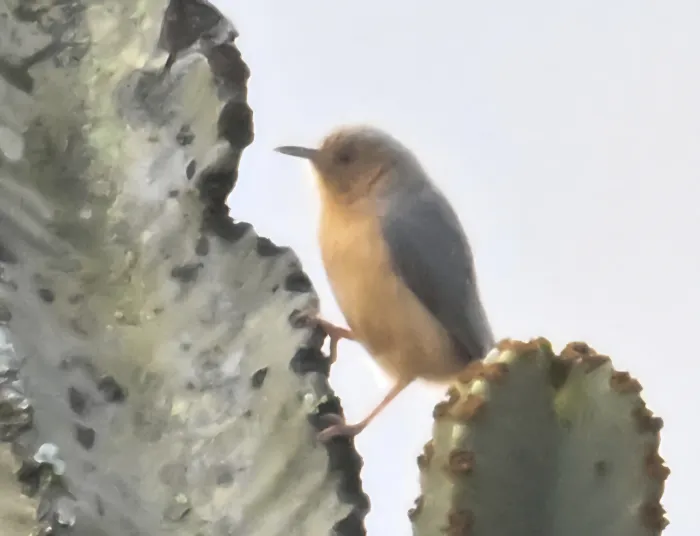
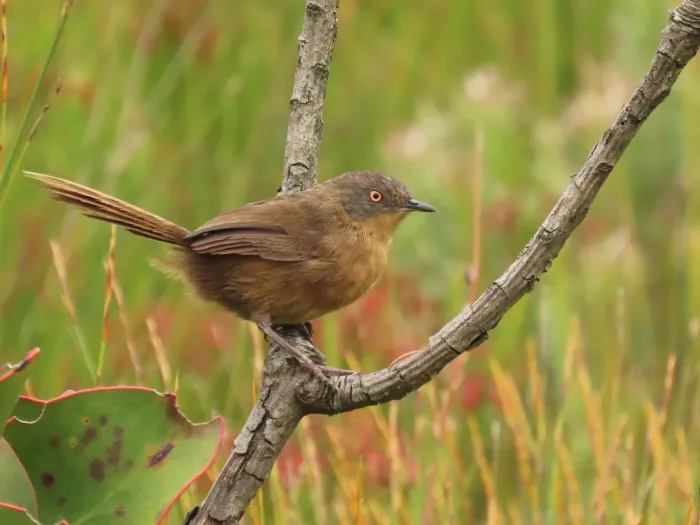
A plain, medium-sized longbill, uniformly greyish-brown above and below, lacking strong markings. It has the characteristic long, slender bill and a somewhat upright posture.
Where to spot
Tropical moist lowland forests and dense secondary growth in Central Africa, from Nigeria to Democratic Republic of Congo.
How to spot
Very challenging to spot due to its drab coloration and skulking habits. Focus on listening for its distinct, often rapid and somewhat scratchy, high-pitched calls, which are the main clue to its presence.
When to spot
Year-round resident. Best observed in the mornings when it is most active. Breeding activity likely peaks during the wet season.
Where to spot
Tropical moist lowland forests and dense secondary growth in Central Africa, from Nigeria to Democratic Republic of Congo.
How to spot
Very challenging to spot due to its drab coloration and skulking habits. Focus on listening for its distinct, often rapid and somewhat scratchy, high-pitched calls, which are the main clue to its presence.
When to spot
Year-round resident. Best observed in the mornings when it is most active. Breeding activity likely peaks during the wet season.
Credits:
Wikimedia Commons
The Grey Longbill's unadorned plumage reflects its preference for blending into the dense, shaded undergrowth of the forest floor, where camouflage is a primary defense.
Loading...
Spotted
No recently spotted birds
Monthly observations
No observations
Loading...
Nothing spotted yet
Also interesting


Share this page
Or share directly on
