Kemp's Longbill
Kemp's Longbill
100
-
Points:
100
Not yet spotted on Fladder
Spotted
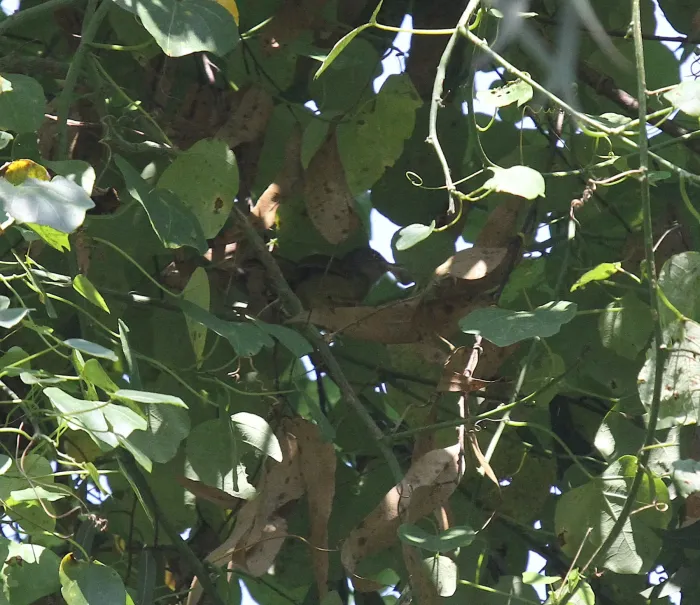
A small, rather plain, olive-brown longbill with a relatively long, slender, and slightly decurved bill. It is a shy, unobtrusive inhabitant of dense forest understory.
Where to spot
Lowland tropical rainforests and dense secondary growth in West Africa, from Sierra Leone to Ghana.
How to spot
Extremely difficult to observe due to its shy nature and preference for dense cover. Primarily detected by its distinctive, often repeated, soft, whistled or churring calls emanating from the undergrowth.
When to spot
Year-round resident. Most active in the mornings. Breeding activity often coincides with the wet season.
Where to spot
Lowland tropical rainforests and dense secondary growth in West Africa, from Sierra Leone to Ghana.
How to spot
Extremely difficult to observe due to its shy nature and preference for dense cover. Primarily detected by its distinctive, often repeated, soft, whistled or churring calls emanating from the undergrowth.
When to spot
Year-round resident. Most active in the mornings. Breeding activity often coincides with the wet season.
Longbills are named for their proportionally long bills, which they use to probe for insects and other invertebrates deep within crevices and dense foliage.
Loading...
Spotted
No recently spotted birds
Monthly observations
No observations
Loading...
Nothing spotted yet
Also interesting




Share this page
Or share directly on
