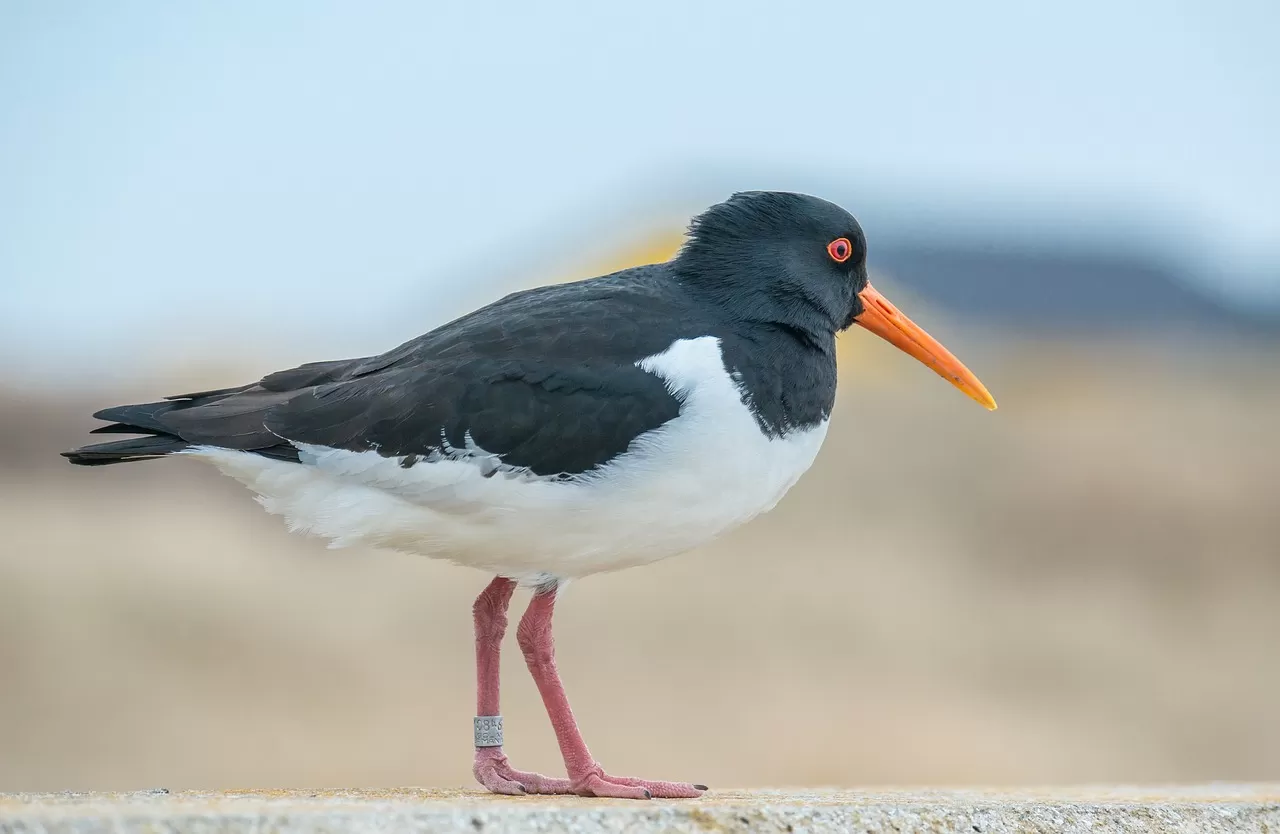
Eurasian Oystercatcher























































Where to spot
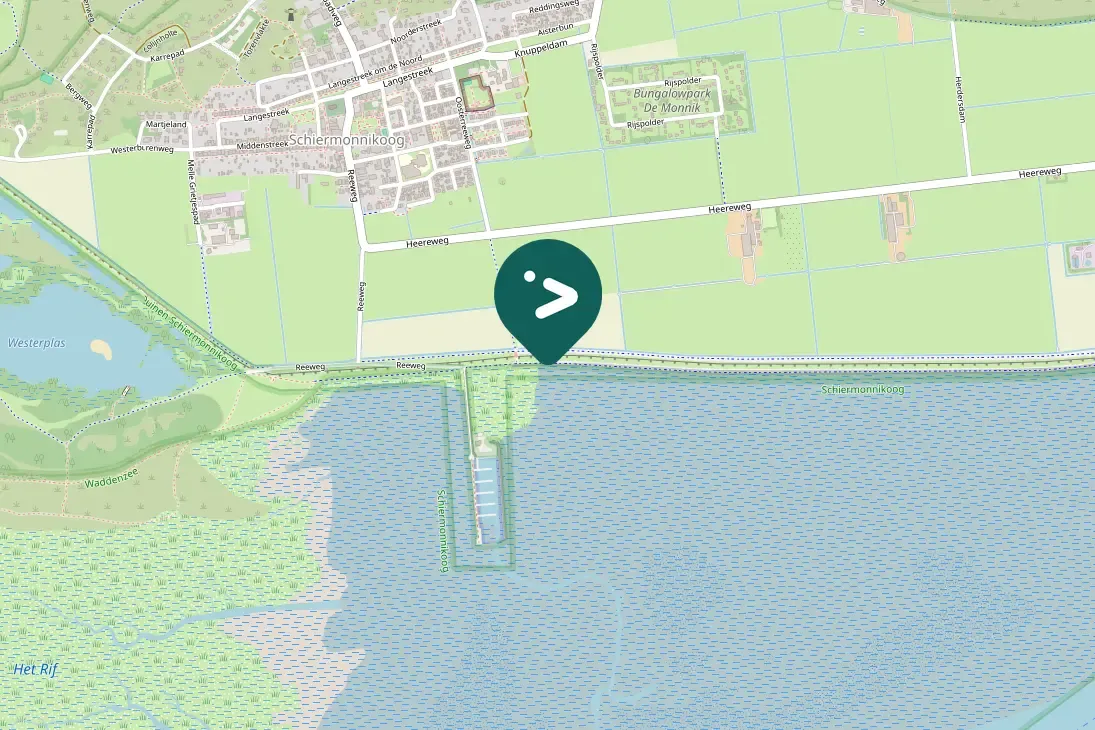
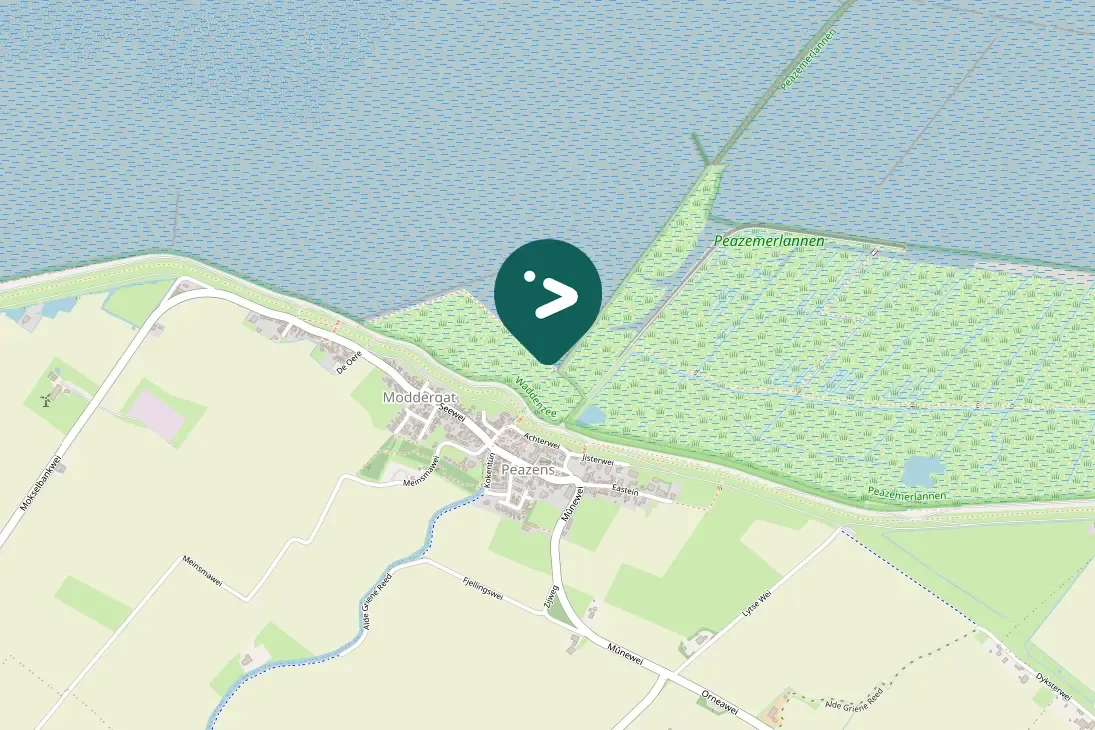
Common along the coasts of Europe, Asia, and Africa, particularly in estuaries, mudflats, rocky shores, and sandy beaches. Inland populations also exist along rivers and lakes.
How to spot
Look for its unmistakable black-and-white pattern and bright orange bill. Listen for its loud, piping 'klee-eep' or 'pic-pic-pic' calls, especially when flying or agitated. Observe its unique foraging techniques on shorelines.
When to spot
Year-round in many parts of its range. Best observed during low tide when they are actively feeding on exposed mudflats. The breeding season (spring/early summer) offers opportunities to see nesting behavior and courtship displays.
Where to spot
Common along the coasts of Europe, Asia, and Africa, particularly in estuaries, mudflats, rocky shores, and sandy beaches. Inland populations also exist along rivers and lakes.
How to spot
Look for its unmistakable black-and-white pattern and bright orange bill. Listen for its loud, piping 'klee-eep' or 'pic-pic-pic' calls, especially when flying or agitated. Observe its unique foraging techniques on shorelines.
When to spot
Year-round in many parts of its range. Best observed during low tide when they are actively feeding on exposed mudflats. The breeding season (spring/early summer) offers opportunities to see nesting behavior and courtship displays.


Credits:
Georg_Wietschorke

Credits:
wolfgangvogt_lb

Credits:
EvgeniT

Credits:
Rabenspiegel

Credits:
xiSerge

Credits:
Barni1

Credits:
Kobus-van-Leer

Credits:
peacedreamlady

Credits:
Cairomoon
Despite its name, the Eurasian Oystercatcher's specialized bill is used for prying open a wide variety of shellfish and probing for worms, not just oysters. It can even slice adductor muscles of bivalves to open them.
Loading...
Spotted
Monthly observations
585 observations
Loading...


Also interesting




Share this page
Or share directly on
