Wattled Brushturkey
Wattled Brushturkey
100
-
Points:
100
Not yet spotted on Fladder
Spotted
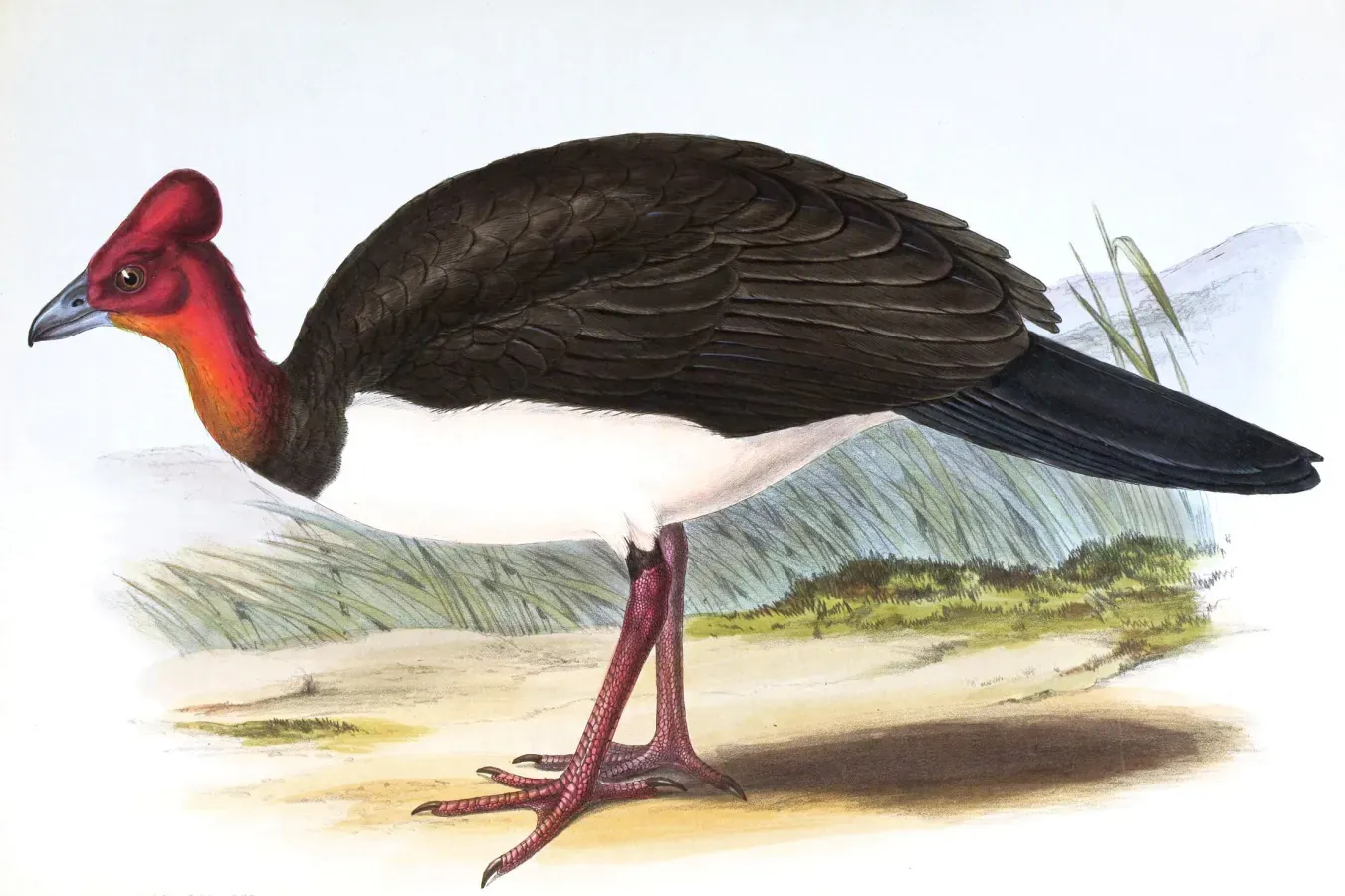
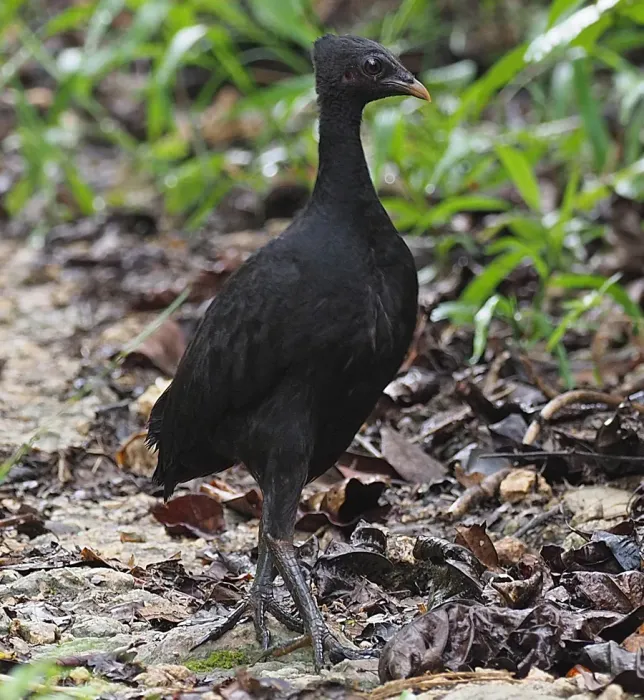
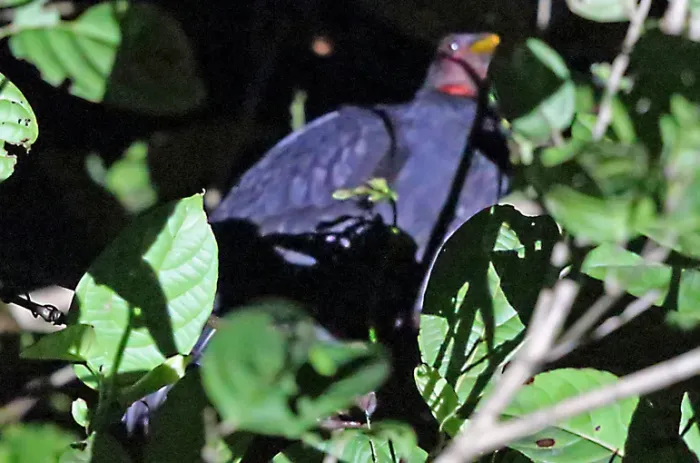
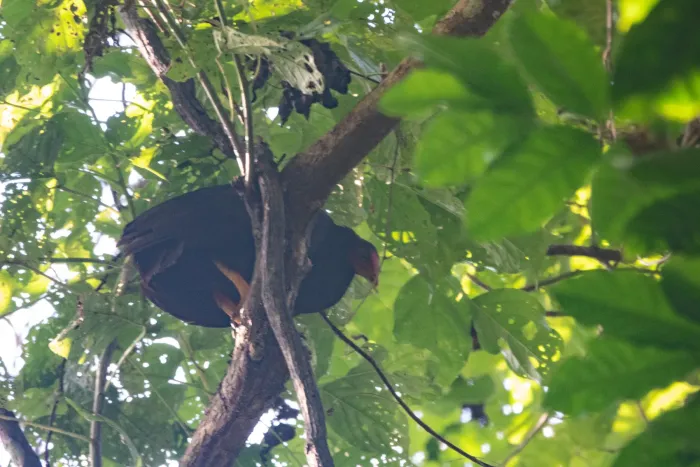
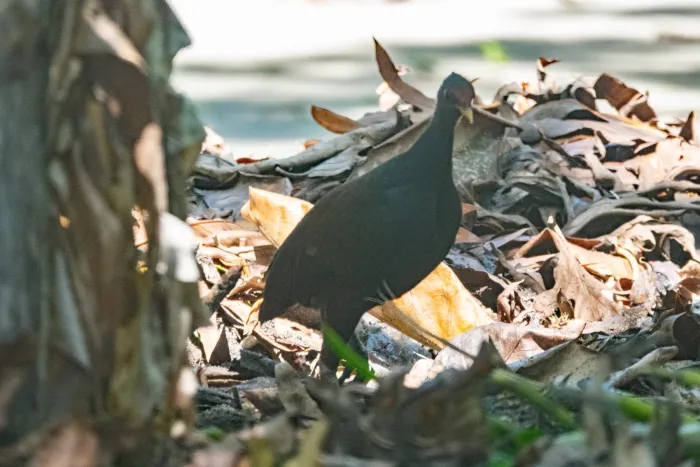
The Western Vulturine Megapode is a distinctive, ground-dwelling bird found in the montane forests of New Guinea. It is a unique megapode, characterized by its bare head and neck, resembling a miniature vulture, hence its name.
Where to spot
Endemic to the montane forests of New Guinea, typically found at elevations between 1,000 and 2,500 meters (3,300 to 8,200 feet) on the Vogelkop and Fakfak Peninsulas in West Papua, Indonesia.
How to spot
Look for a medium-sized, dark megapode with a bald, reddish-pink head and neck, which gives it a vulture-like appearance. They are generally shy and found foraging amongst leaf litter. Listen for their distinctive calls, often described as a series of cackles or grunts, which can help locate them in dense forest.
When to spot
Year-round. Being a forest-dwelling species, observation can be challenging, but early morning or late afternoon may offer better chances when birds are more active foraging on the forest floor.
Where to spot
Endemic to the montane forests of New Guinea, typically found at elevations between 1,000 and 2,500 meters (3,300 to 8,200 feet) on the Vogelkop and Fakfak Peninsulas in West Papua, Indonesia.
How to spot
Look for a medium-sized, dark megapode with a bald, reddish-pink head and neck, which gives it a vulture-like appearance. They are generally shy and found foraging amongst leaf litter. Listen for their distinctive calls, often described as a series of cackles or grunts, which can help locate them in dense forest.
When to spot
Year-round. Being a forest-dwelling species, observation can be challenging, but early morning or late afternoon may offer better chances when birds are more active foraging on the forest floor.


Credits:
Wikimedia Commons

Credits:
Wikimedia Commons

Credits:
Wikimedia Commons

Credits:
Wikimedia Commons

Credits:
Wikimedia Commons

Credits:
Wikimedia Commons
Like other megapodes, this species does not incubate its eggs directly. Instead, it relies on environmental heat sources like geothermal vents or decaying vegetation mounds to hatch its offspring, with the male meticulously maintaining the temperature.
Loading...
Spotted
No recently spotted birds
Monthly observations
No observations
Loading...
Nothing spotted yet
Also interesting




Share this page
Or share directly on
