Emu
Emu
100
3 weeks ago
door
Anouk Morelisse
Points:
100
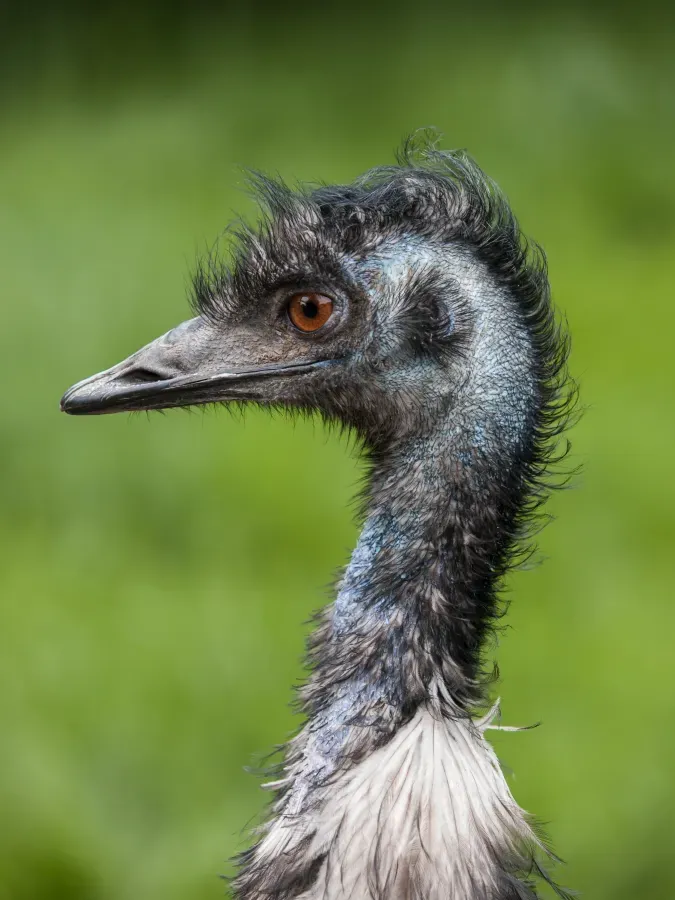
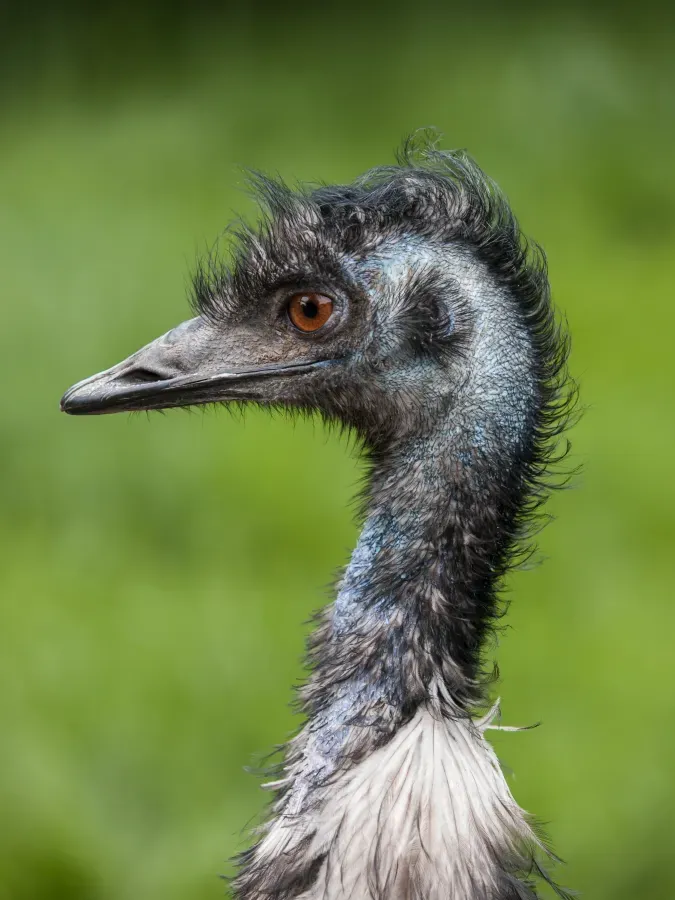
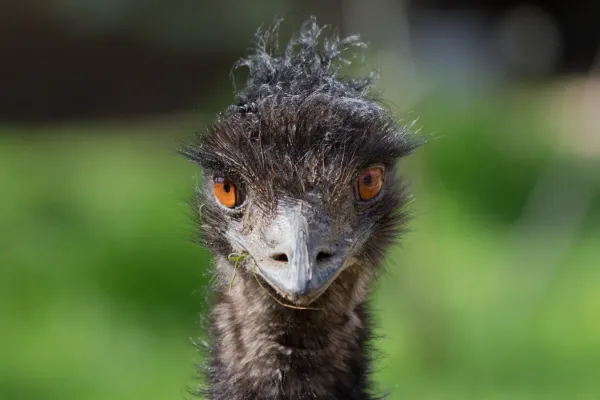
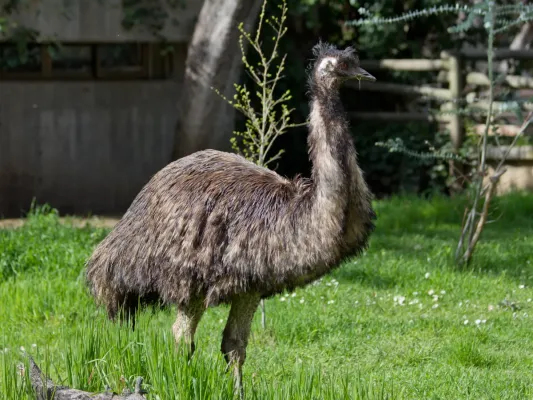
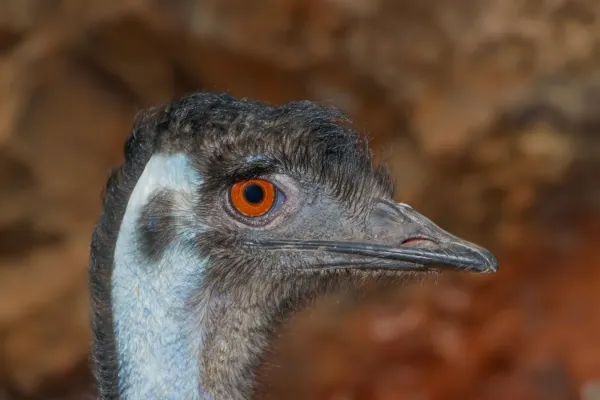
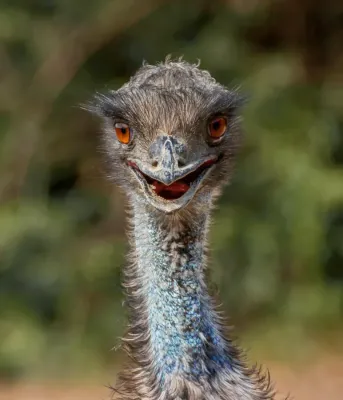
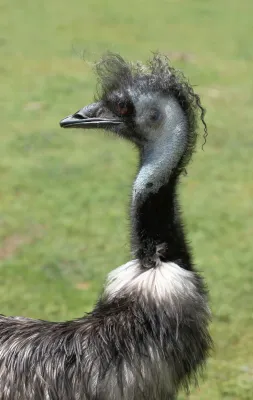
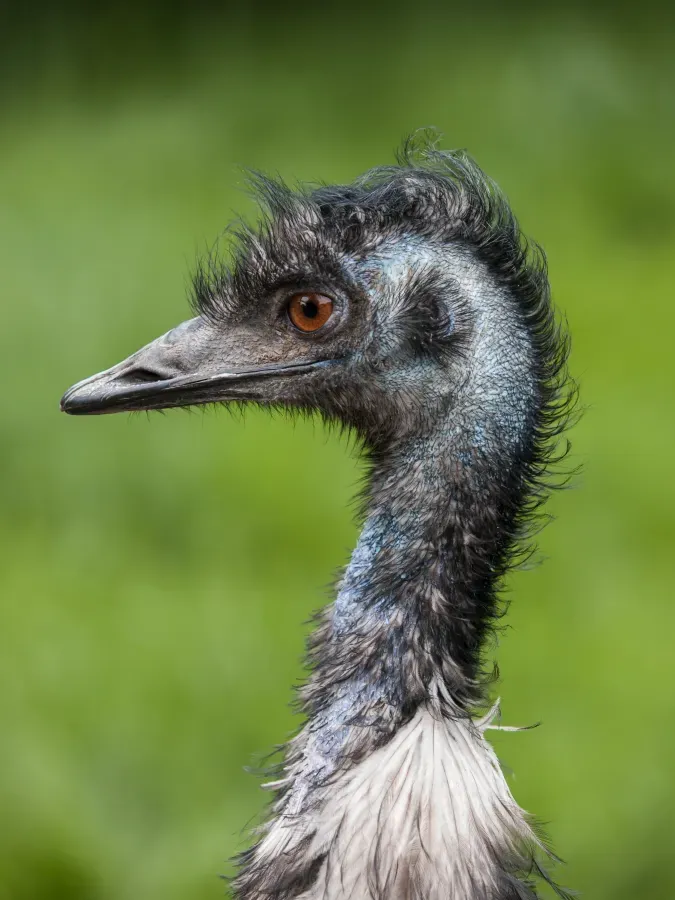
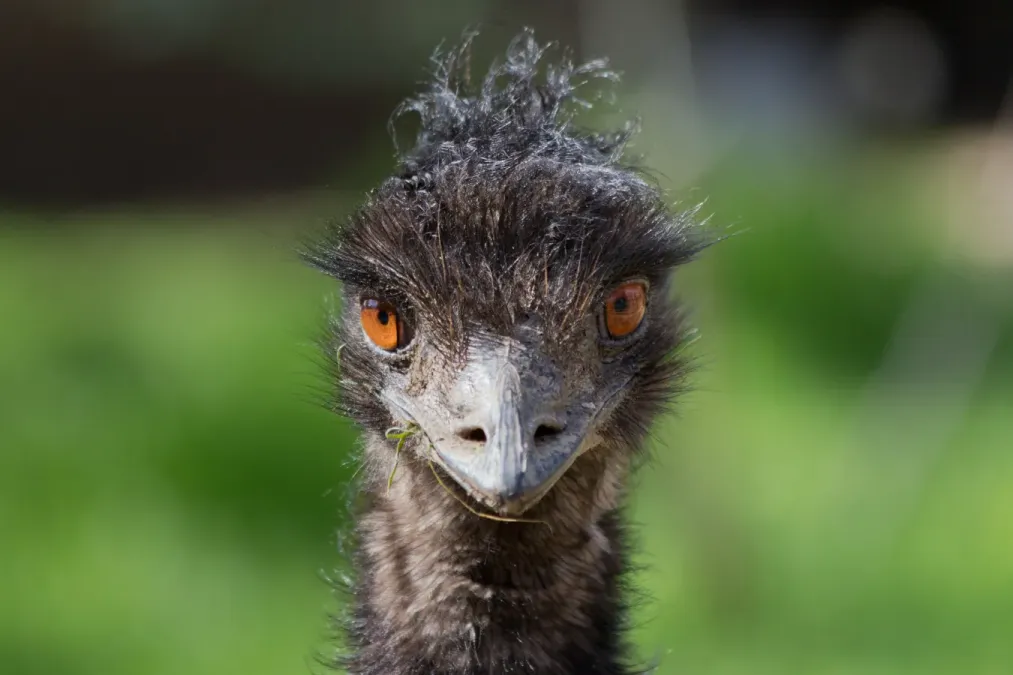
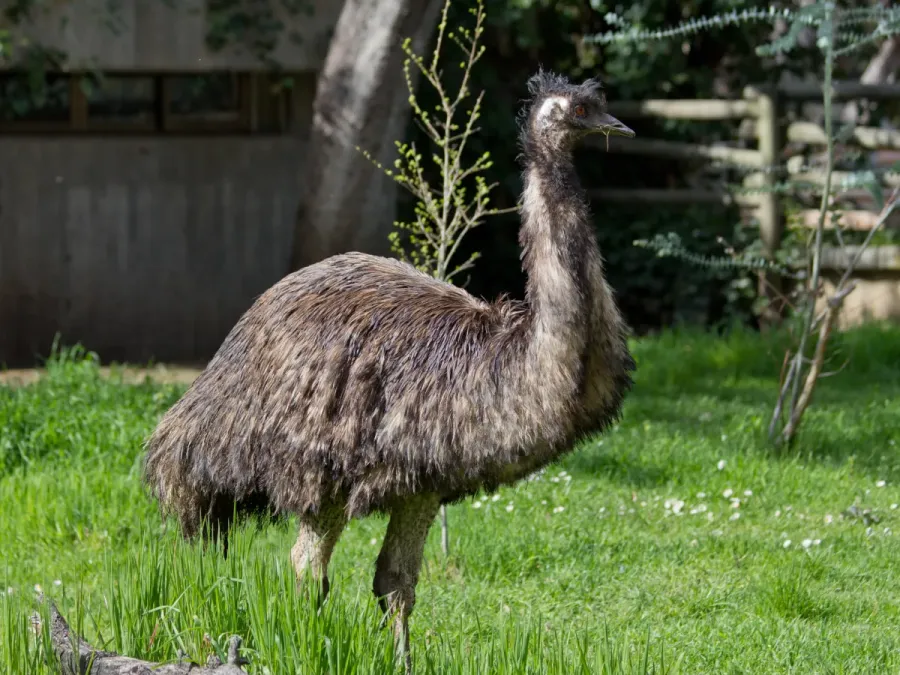
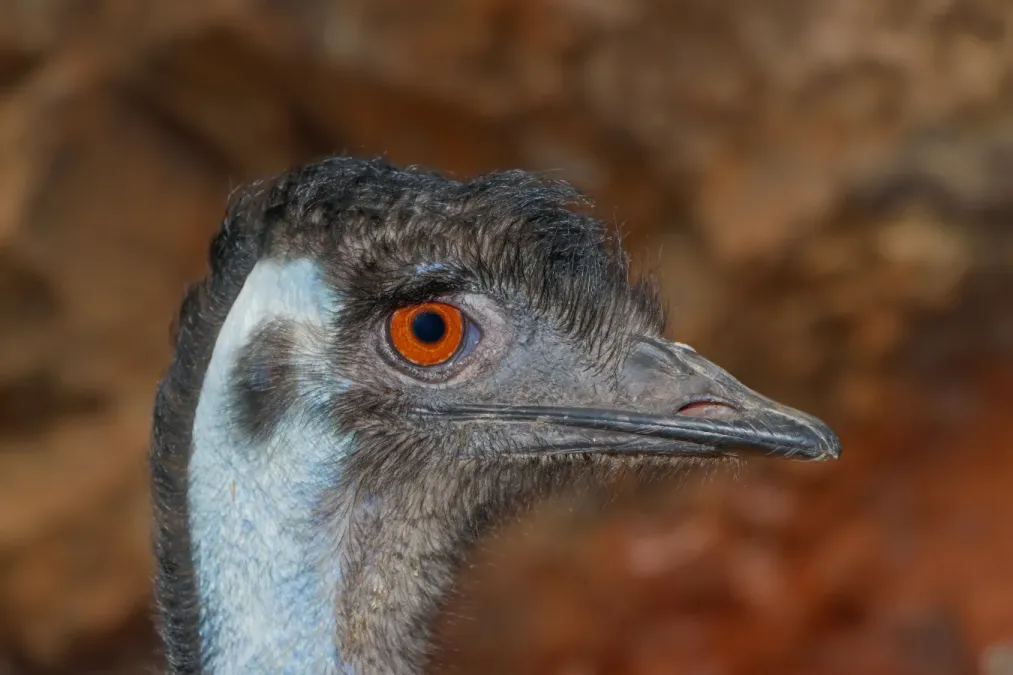
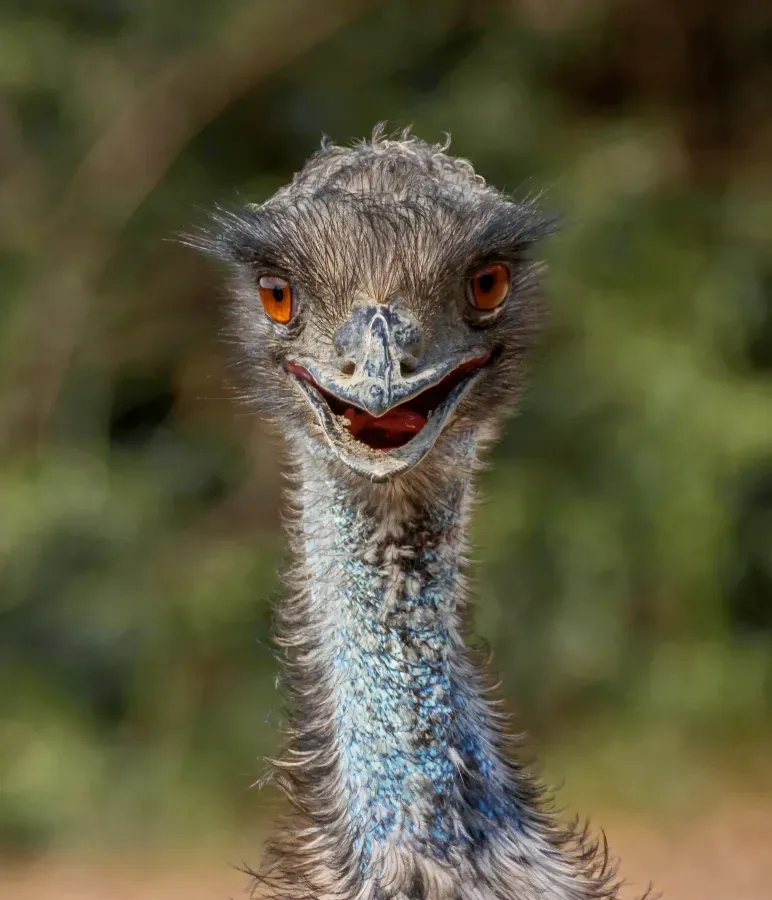
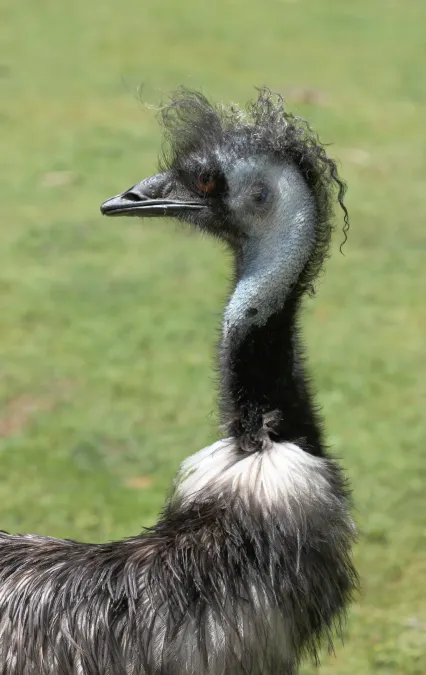
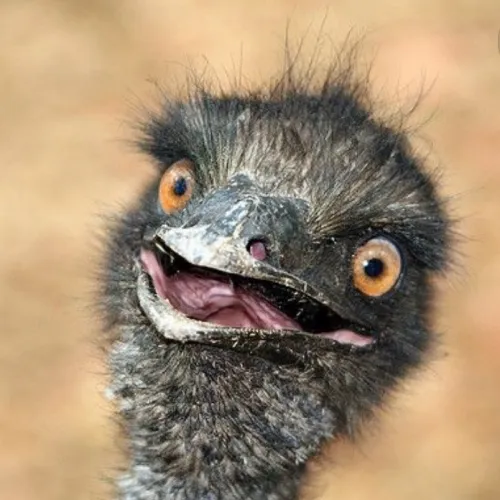
The Emu is the second-largest living bird by height and an iconic flightless species endemic to Australia. It is characterized by its shaggy, grey-brown plumage, a long, flexible neck, and powerful legs, perfectly adapted for rapid movement across diverse Australian landscapes.
Where to spot
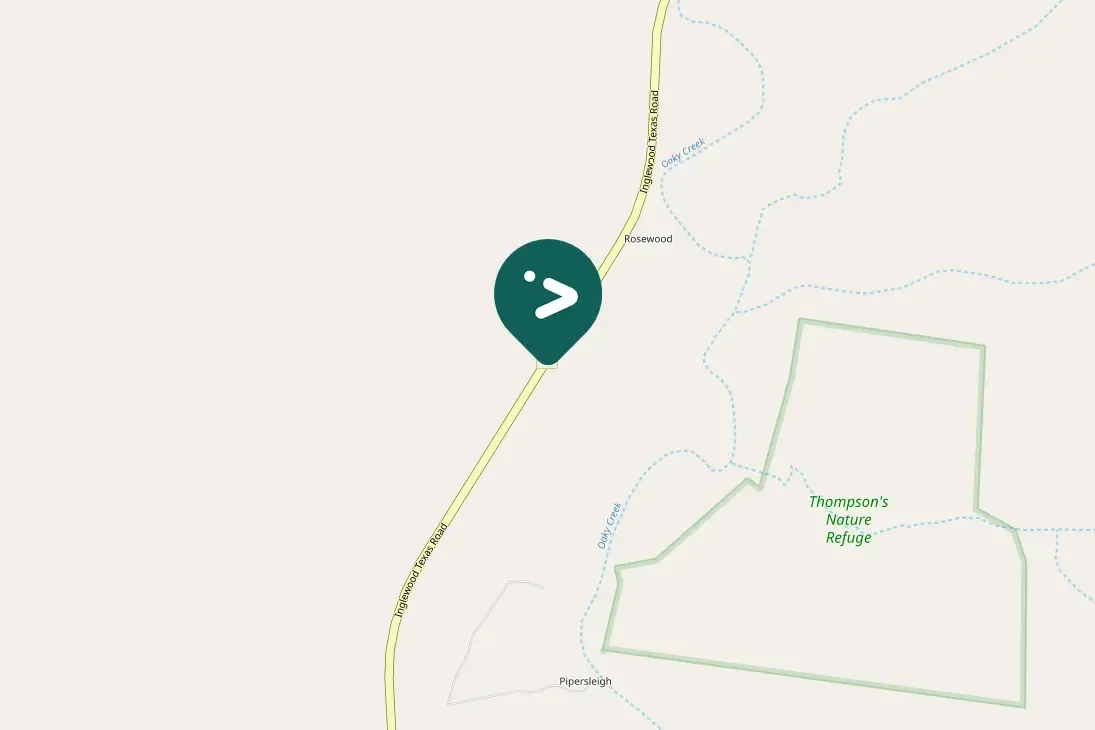
Widespread across most of mainland Australia, inhabiting a broad range of open habitats including grasslands, woodlands, arid scrublands, and savannas. They generally avoid densely forested areas and highly populated regions.
How to spot
Look for tall, grey-brown birds, often moving in small groups, grazing or striding purposefully across open plains. While generally wary, they can also be curious. Their distinctive silhouette and powerful, striding gait make them relatively easy to identify from a distance.
When to spot
Emus are most active during the day, particularly in the cooler parts of the morning and late afternoon. They can be observed year-round, with breeding activity typically occurring during the cooler months.
Where to spot
Widespread across most of mainland Australia, inhabiting a broad range of open habitats including grasslands, woodlands, arid scrublands, and savannas. They generally avoid densely forested areas and highly populated regions.
How to spot
Look for tall, grey-brown birds, often moving in small groups, grazing or striding purposefully across open plains. While generally wary, they can also be curious. Their distinctive silhouette and powerful, striding gait make them relatively easy to identify from a distance.
When to spot
Emus are most active during the day, particularly in the cooler parts of the morning and late afternoon. They can be observed year-round, with breeding activity typically occurring during the cooler months.
Credits:
Wikimedia Commons
Credits:
Wikimedia Commons
Credits:
Wikimedia Commons
Credits:
Wikimedia Commons
Credits:
Wikimedia Commons
Credits:
Wikimedia Commons
Emus possess a unique feather adaptation: each feather has a double shaft, meaning two distinct feathers grow from a single quill, giving their plumage a shaggy, hair-like appearance.
Loading...
Spotted
- Recently spotted
- 1 (Seen in the last 3 months)
- Last spotted
- 3 weeks ago door Anouk Morelisse
- Favorite of
Monthly observations
Also interesting


Share this page
Or share directly on
