Western Cattle-Egret
Western Cattle-Egret
50
1 week ago
door
Timo Sedlmayr
Points:
50
E
F

+26
Spotted by












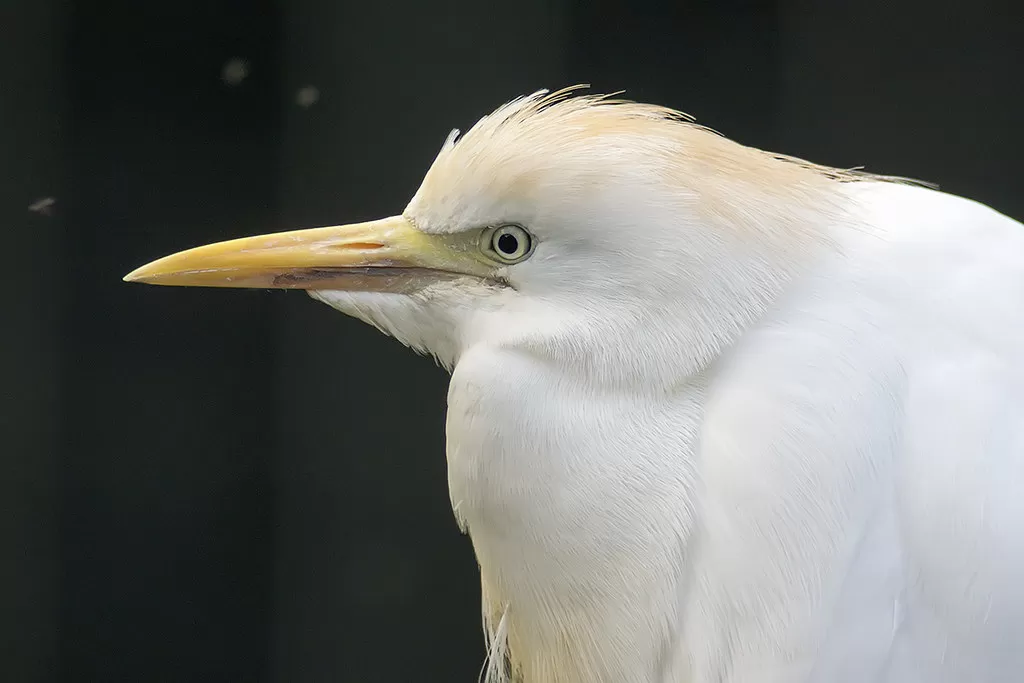
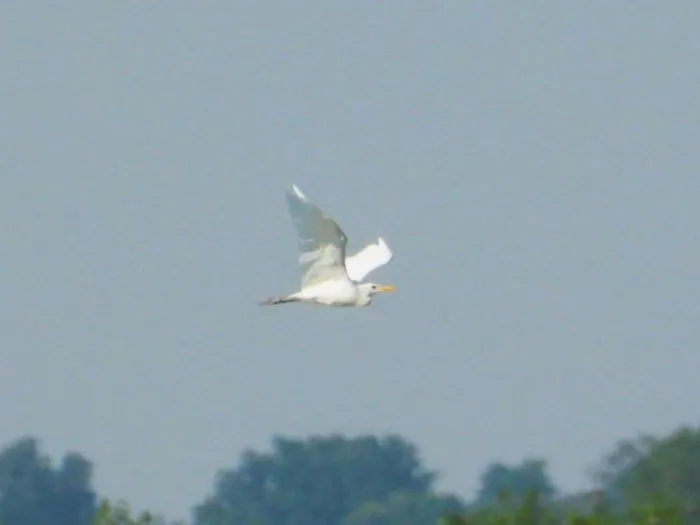
The Cattle Egret is a small, white heron-like bird often seen in close association with grazing livestock. It boasts a global distribution and is known for its opportunistic feeding behavior.
Where to spot
Nearly cosmopolitan, found on all continents except Antarctica. Typically inhabits grasslands, agricultural fields, savannas, and wetlands, always near livestock or large mammals.
How to spot
Easily identified by its pure white plumage (with buffy-orange breeding plumes on head, neck, and back), short yellow bill, and yellow legs. Look for them walking among cattle, horses, or other large animals, catching insects disturbed by the grazers.
When to spot
Year-round resident in warmer climates, migratory in temperate zones. Active during daylight hours, often seen following grazing animals or farm machinery.
Where to spot
Nearly cosmopolitan, found on all continents except Antarctica. Typically inhabits grasslands, agricultural fields, savannas, and wetlands, always near livestock or large mammals.
How to spot
Easily identified by its pure white plumage (with buffy-orange breeding plumes on head, neck, and back), short yellow bill, and yellow legs. Look for them walking among cattle, horses, or other large animals, catching insects disturbed by the grazers.
When to spot
Year-round resident in warmer climates, migratory in temperate zones. Active during daylight hours, often seen following grazing animals or farm machinery.


Credits:
Ouwesok

Credits:
Roel van Deursen

Credits:
Frank.Vassen

Credits:
E. Pels

Credits:
Erik van Roekel
The Cattle Egret's global expansion is one of the most remarkable examples of natural colonization by a bird species, having spread across continents within the last century, largely driven by its association with livestock.
Loading...
Spotted
- Recently spotted
- 9 (Seen in the last 3 months)
- Last spotted
- 1 week ago door Timo Sedlmayr
Monthly observations
43 observations
Loading...


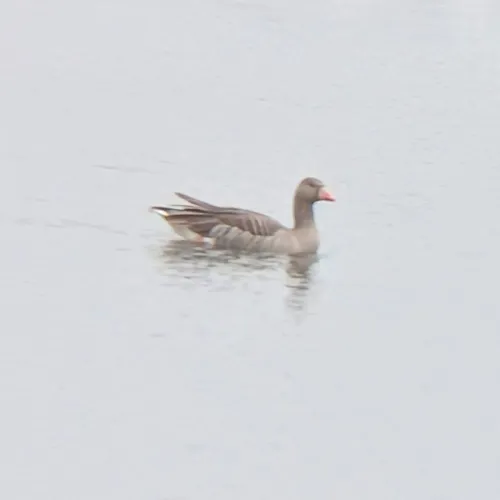


Remi
2 months ago
Western Cattle-Egret
Colle di Val d'Elsa, Toscana


New badge!

Also interesting





Share this page
Or share directly on
