Where to spot
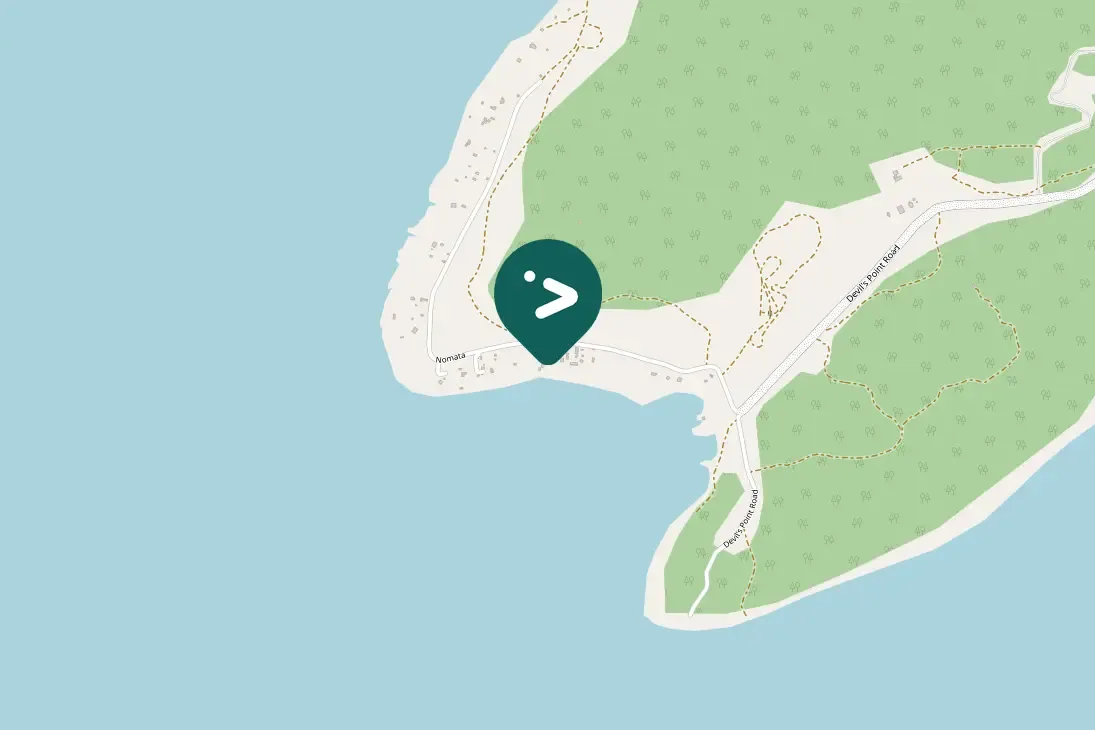
Endemic to the Solomon Islands, specifically found on Kolombangara and possibly New Georgia. It inhabits montane rainforests and forest edges, typically at higher elevations.
How to spot
Look for its olive-brown plumage, somewhat streaky underparts, and a small, yellowish bare patch of skin around the eye. It moves actively through the canopy and mid-story. Listen for its sharp, high-pitched calls.
When to spot
Active during daylight hours, foraging for nectar, insects, and fruits. It is a resident species, observable year-round within its limited montane habitats.
Where to spot
Endemic to the Solomon Islands, specifically found on Kolombangara and possibly New Georgia. It inhabits montane rainforests and forest edges, typically at higher elevations.
How to spot
Look for its olive-brown plumage, somewhat streaky underparts, and a small, yellowish bare patch of skin around the eye. It moves actively through the canopy and mid-story. Listen for its sharp, high-pitched calls.
When to spot
Active during daylight hours, foraging for nectar, insects, and fruits. It is a resident species, observable year-round within its limited montane habitats.
This species is notable for being the only melidectes (a genus typically found in New Guinea) found in the Solomon Islands, highlighting a unique evolutionary expansion.
Also interesting




Share this page
Or share directly on
