Markham's Storm-Petrel
Markham's Storm-Petrel
100
-
Points:
100
Not yet spotted on Fladder
Spotted
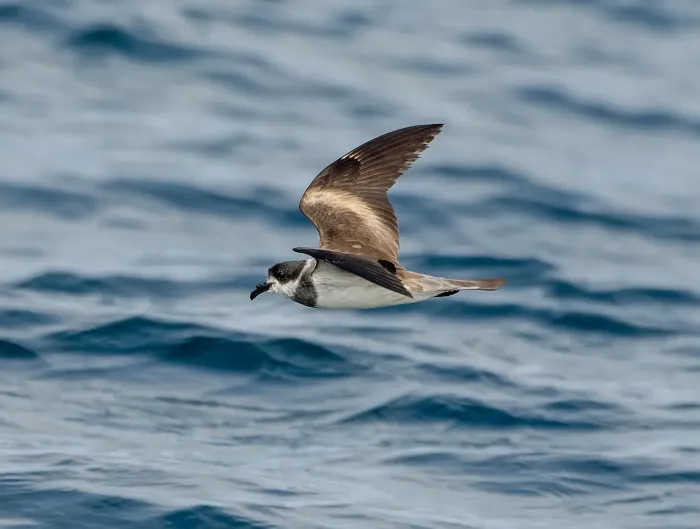
Markham's Storm-Petrel is a poorly known, dark storm-petrel with a shallowly forked tail, primarily found in the eastern Pacific Ocean. It is considered vulnerable due to its restricted breeding sites.
Where to spot
Breeds in coastal deserts of Peru and Chile, with some colonies far inland. Forages offshore in the Humboldt Current system of the eastern Pacific.
How to spot
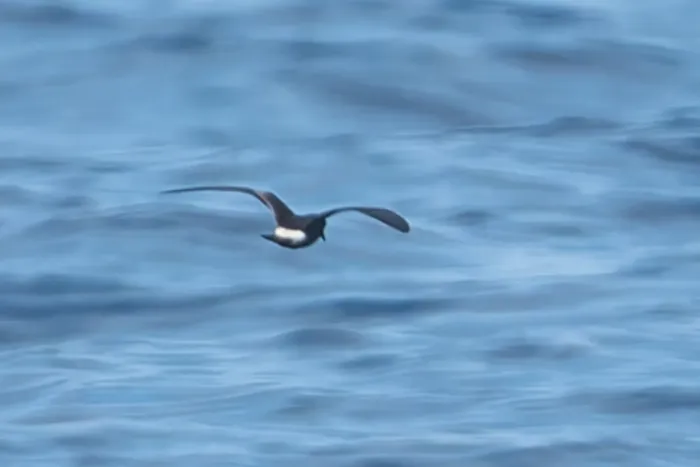
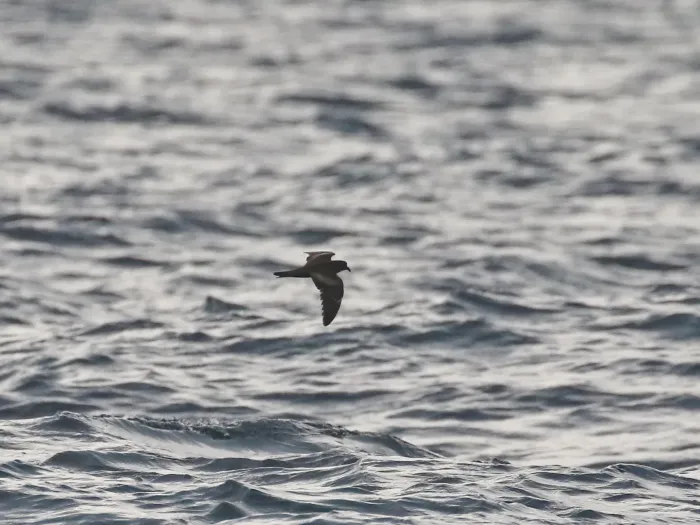
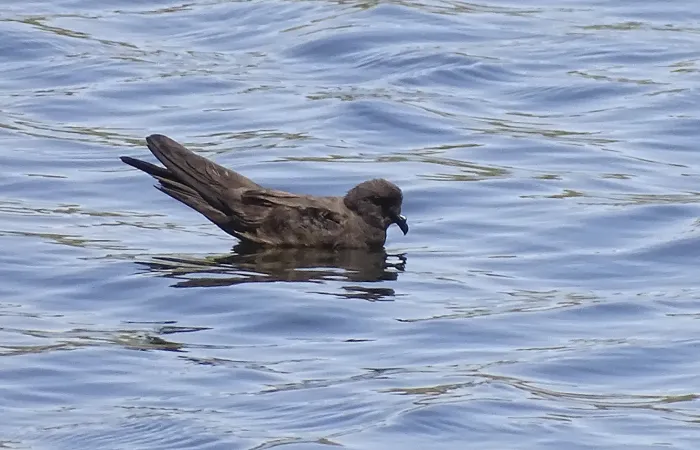
Look for its uniformly dark, sooty-brown plumage and shallowly forked tail. Its flight is often direct and strong. Best observed during pelagic trips off the coasts of Peru and Chile.
When to spot
Breeding activity is from May to October. Can be observed at sea year-round in the Humboldt Current, with more regular sightings during the breeding season.
Where to spot
Breeds in coastal deserts of Peru and Chile, with some colonies far inland. Forages offshore in the Humboldt Current system of the eastern Pacific.
How to spot
Look for its uniformly dark, sooty-brown plumage and shallowly forked tail. Its flight is often direct and strong. Best observed during pelagic trips off the coasts of Peru and Chile.
When to spot
Breeding activity is from May to October. Can be observed at sea year-round in the Humboldt Current, with more regular sightings during the breeding season.
This species is known to breed in extremely arid coastal areas of Chile and Peru, where it nests in burrows far inland, relying on coastal fogs for moisture during incubation.
Loading...
Spotted
No recently spotted birds
Monthly observations
No observations
Loading...
Nothing spotted yet
Also interesting

Share this page
Or share directly on
