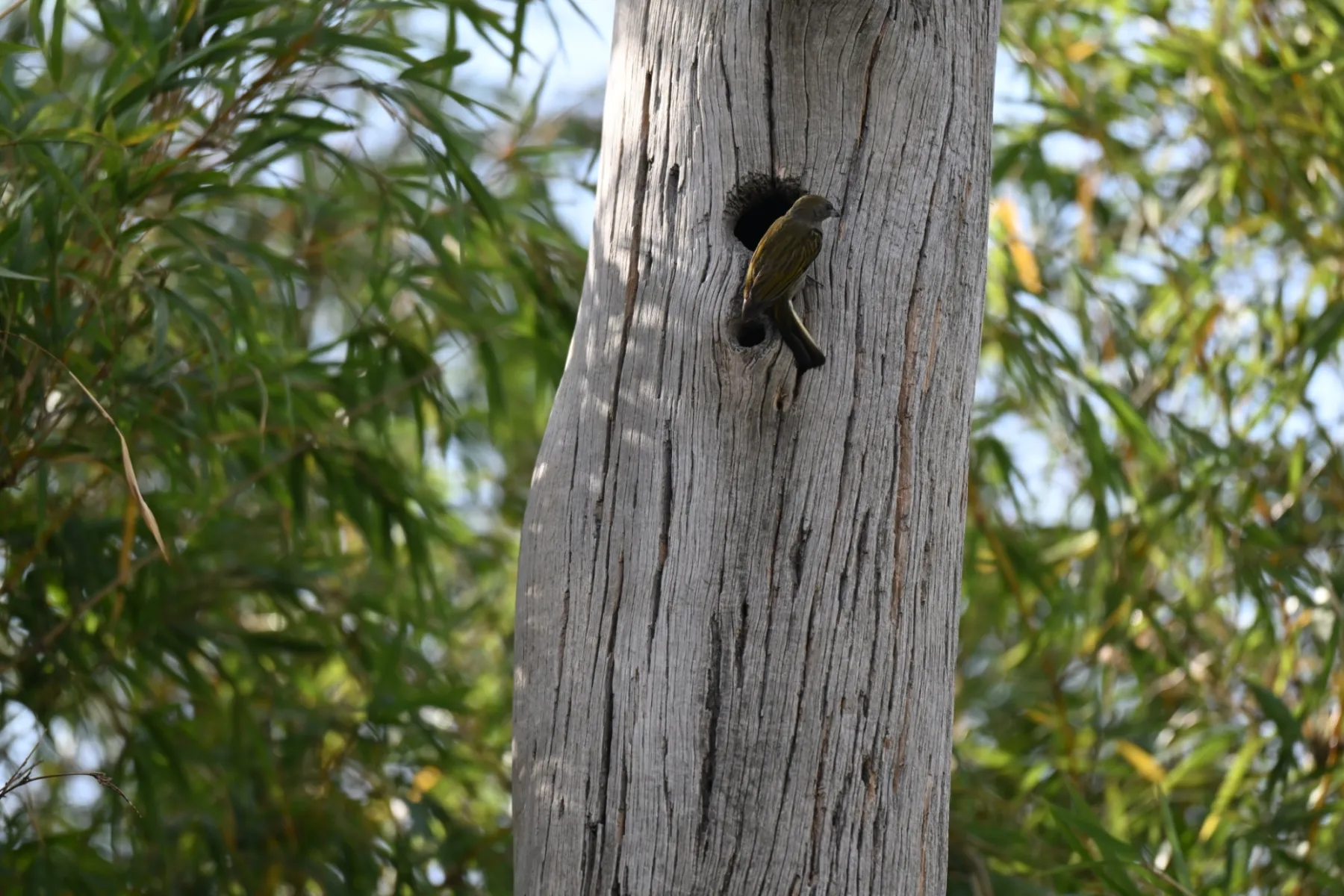
Dwarf Honeyguide
Dwarf Honeyguide
100
4 months ago
door
jenny van Dorland
Points:
100

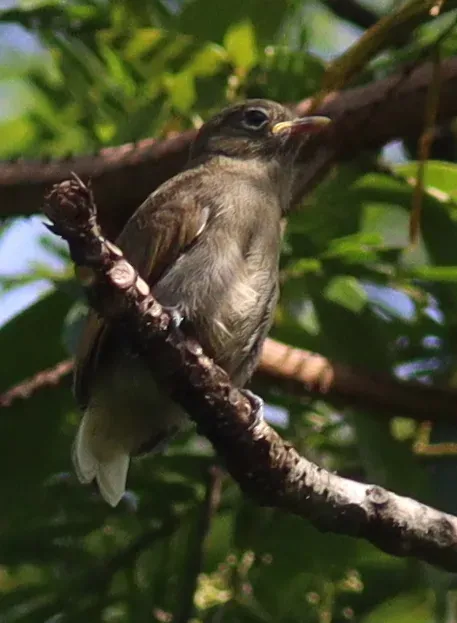
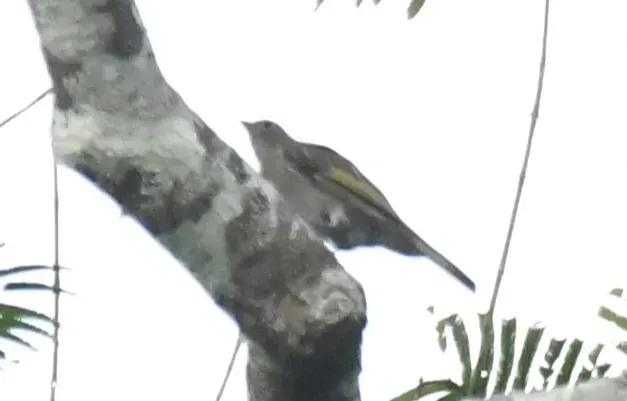
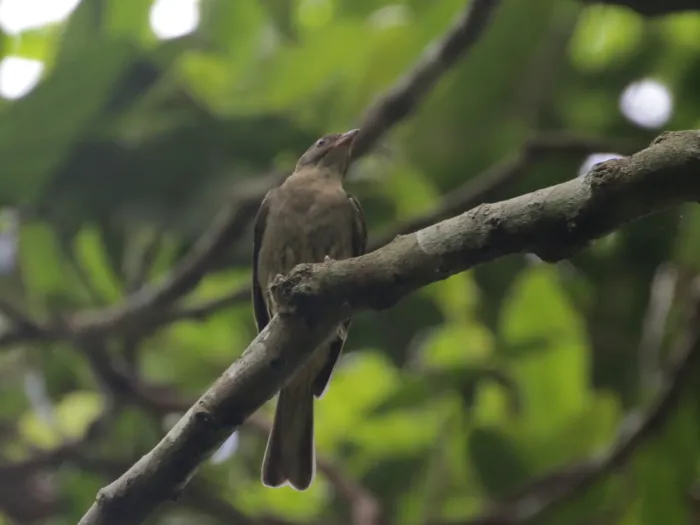
The Dwarf Honeyguide is a very small and inconspicuous honeyguide, characterized by its dull brownish-green plumage. It is known for its brood parasitic behavior, laying its eggs in the nests of small insectivorous birds. It primarily feeds on insects and beeswax.
Where to spot
Inhabits montane and lowland forests, typically in the undergrowth or mid-story, across parts of East and Central Africa.
How to spot
Extremely difficult to observe visually due to its small size and cryptic coloration. Listen for its high-pitched, insect-like trills or buzzing calls, often given from within dense foliage. Patience and keen ears are essential.
When to spot
Present year-round. More vocal during the breeding season. Most active in the early morning.
Where to spot
Inhabits montane and lowland forests, typically in the undergrowth or mid-story, across parts of East and Central Africa.
How to spot
Extremely difficult to observe visually due to its small size and cryptic coloration. Listen for its high-pitched, insect-like trills or buzzing calls, often given from within dense foliage. Patience and keen ears are essential.
When to spot
Present year-round. More vocal during the breeding season. Most active in the early morning.
As its name suggests, the Dwarf Honeyguide is one of the smallest species within the honeyguide family, making it particularly difficult to spot in the dense forest.
Loading...
Spotted
No recently spotted birds
Monthly observations
1 observation
Loading...



Also interesting




Share this page
Or share directly on
