



Where to spot
Breeds on tundra and bog lakes across northern North America, Iceland, and Siberia. Winters predominantly along the Atlantic and Pacific coasts of North America, and the Atlantic and European coasts.
How to spot
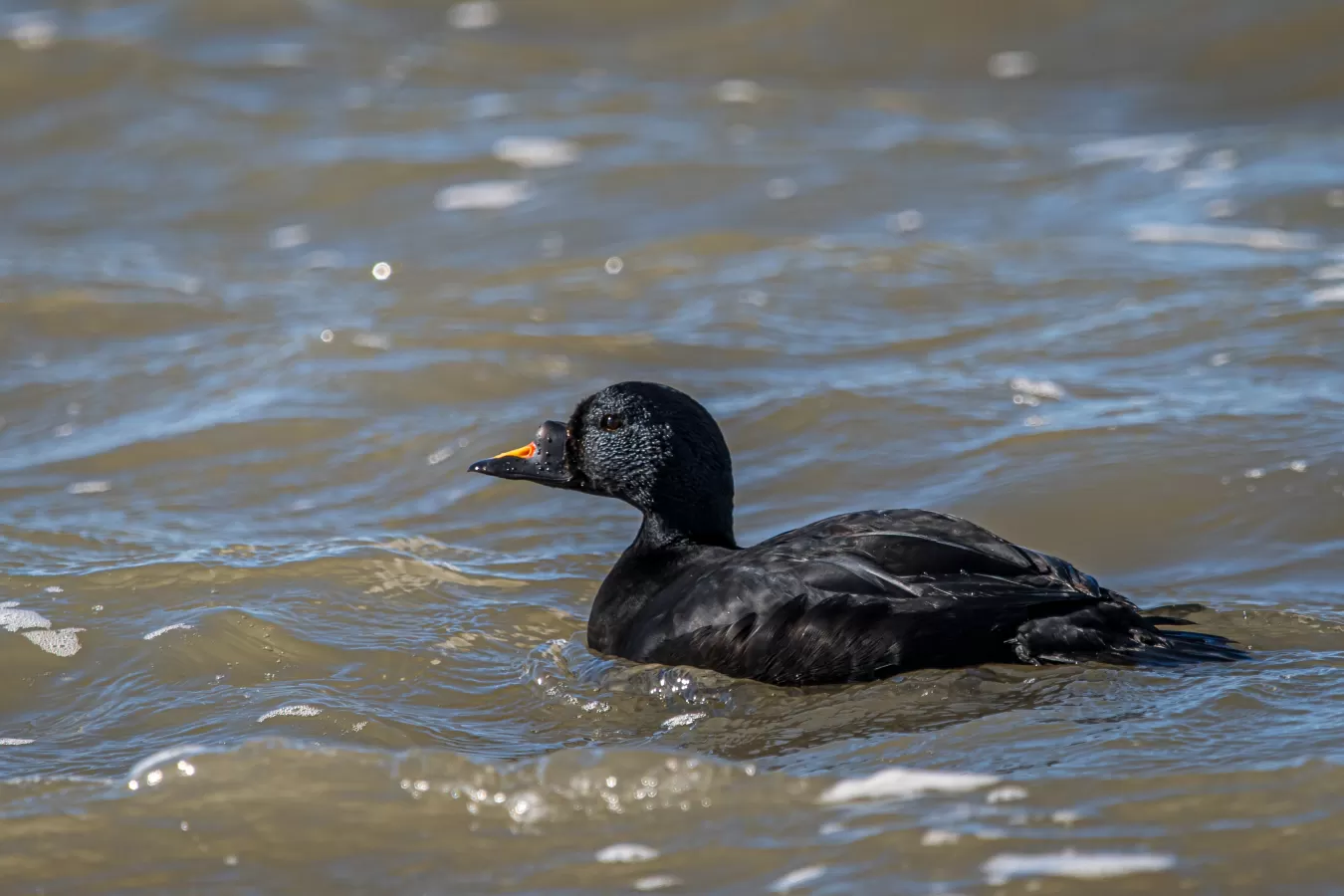
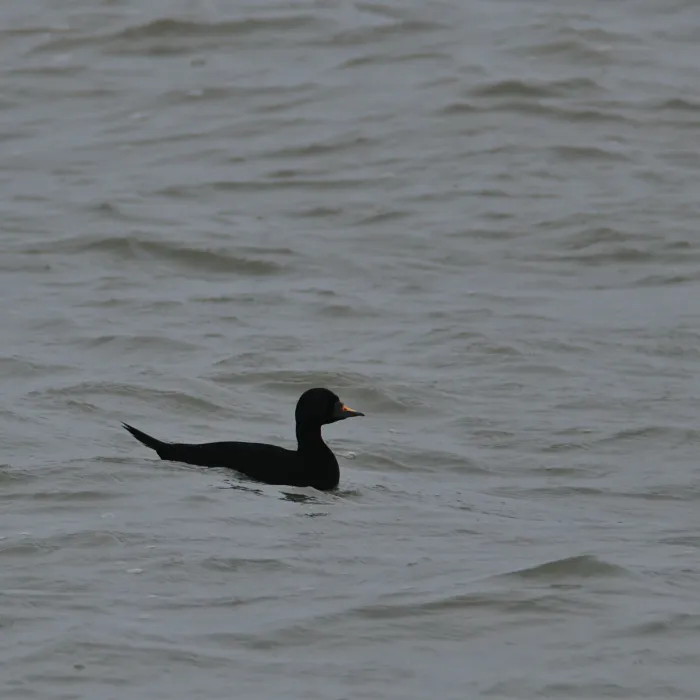
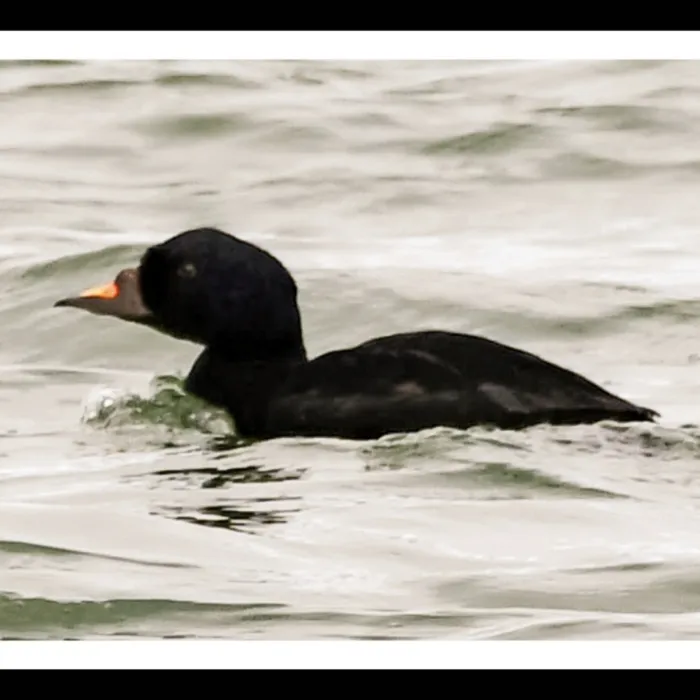
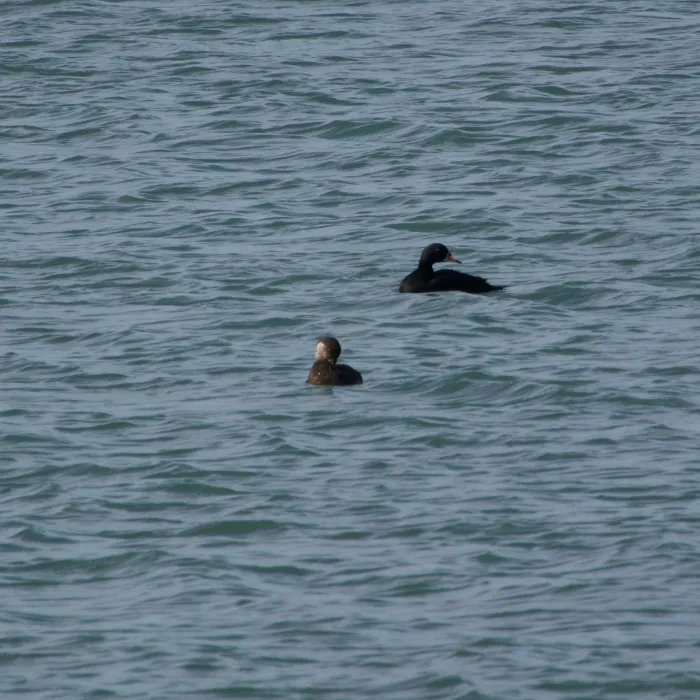
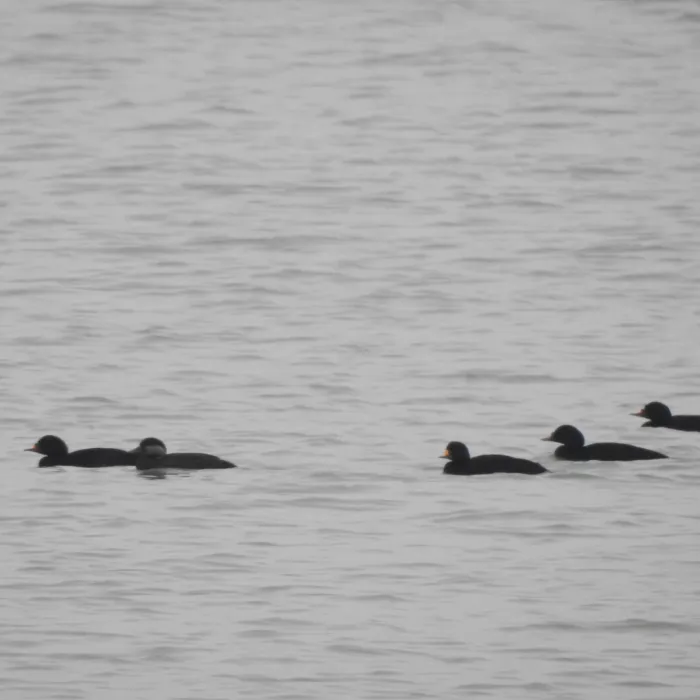
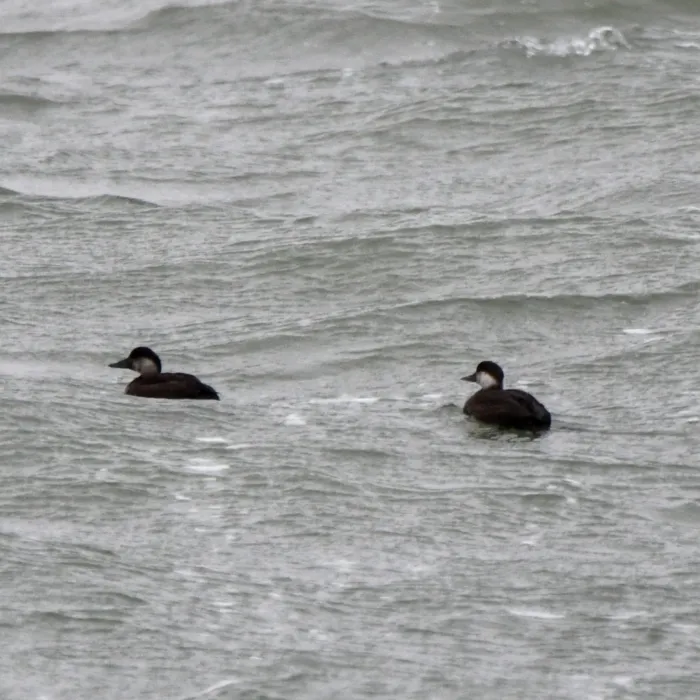
Look for them on coastal bays, estuaries, and offshore waters, often in loose flocks. Males are uniformly black with a unique bulbous yellow bill knob. Females are dark brown above with contrasting paler cheeks and throat, and a dark cap. They lack the white wing patches of other scoters.
When to spot
Most easily observed during migration and winter along coastal marine environments.
Where to spot
Breeds on tundra and bog lakes across northern North America, Iceland, and Siberia. Winters predominantly along the Atlantic and Pacific coasts of North America, and the Atlantic and European coasts.
How to spot
Look for them on coastal bays, estuaries, and offshore waters, often in loose flocks. Males are uniformly black with a unique bulbous yellow bill knob. Females are dark brown above with contrasting paler cheeks and throat, and a dark cap. They lack the white wing patches of other scoters.
When to spot
Most easily observed during migration and winter along coastal marine environments.


Credits:
By Stephan Sprinz - Own work, CC BY-SA 4.0, https://commons.wikimedia.org/w/index.php?curid=89878661
Black Scoters are known for their musical, whistling calls, especially by the males during courtship displays, which add to their distinctiveness on the water.
Loading...
Spotted
- Recently spotted
- 1 (Seen in the last 3 months)
- Last spotted
- 2 months ago door Simeon
Monthly observations
18 observations
Loading...
Simeon
2 months ago
Common Scoter
Eemnes, Utrecht
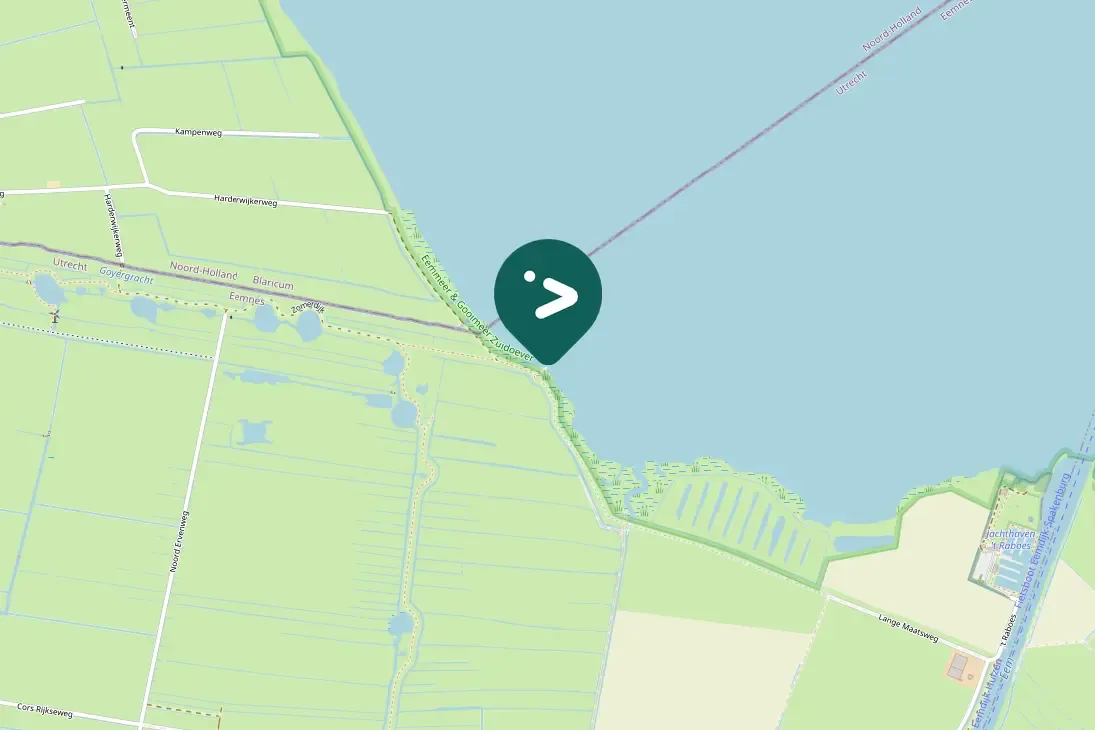
Binnenland nooit echt gezien, op aanrader van medevogelaar. Gezien de tijd van het jaar best een zeldzame waarneming!





Also interesting




Share this page
Or share directly on
