Where to spot
Dense coniferous and mixed forests in boreal regions of North America, Europe, and Asia.
How to spot
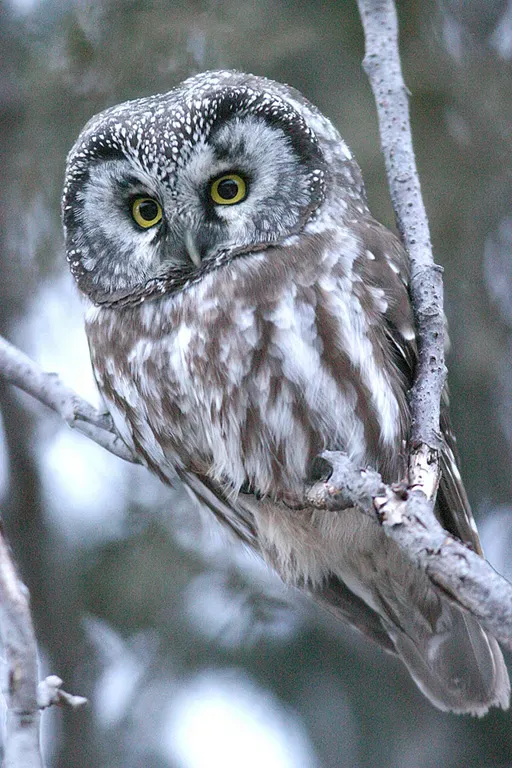
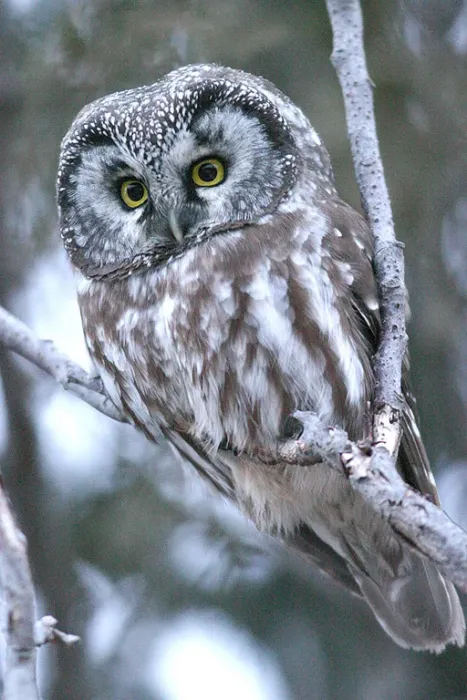
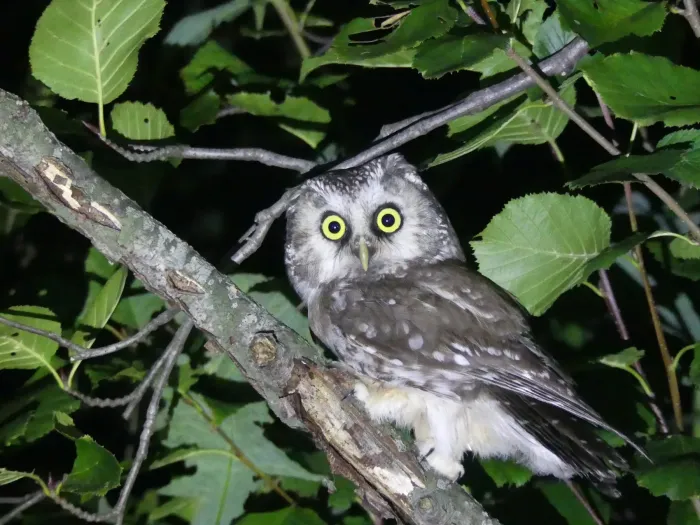
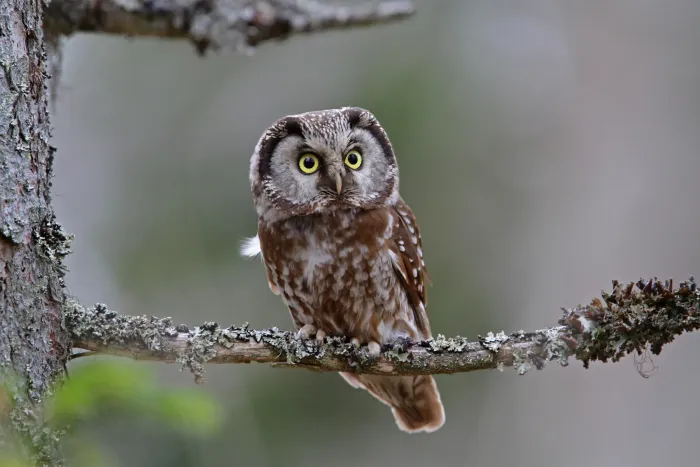
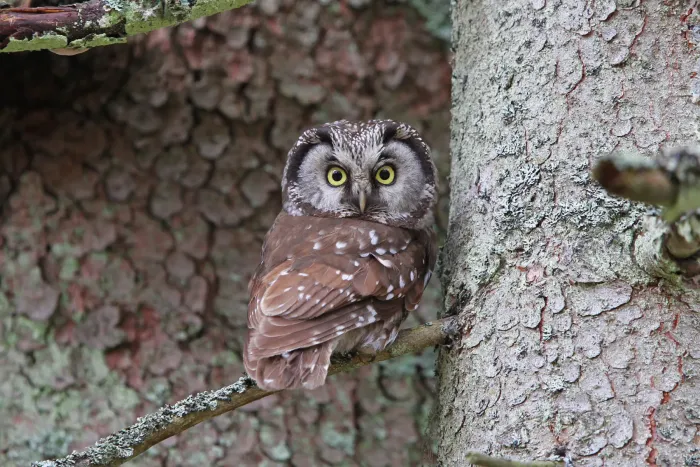
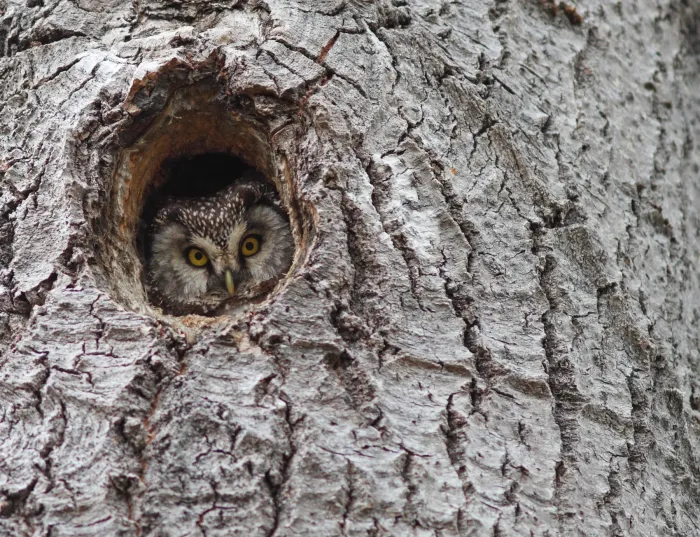
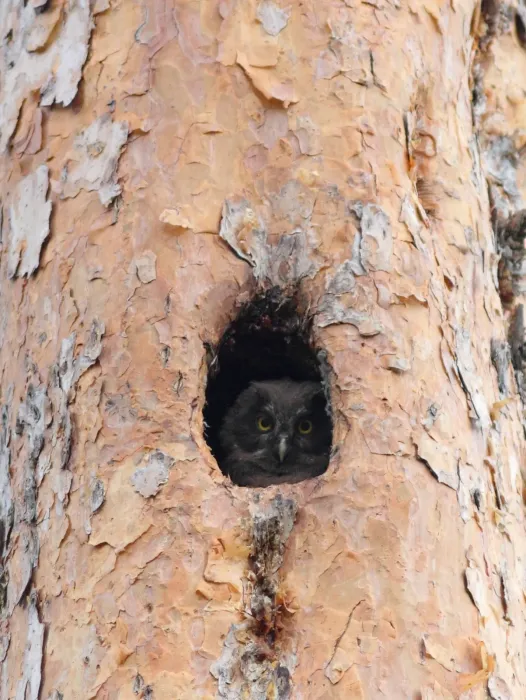
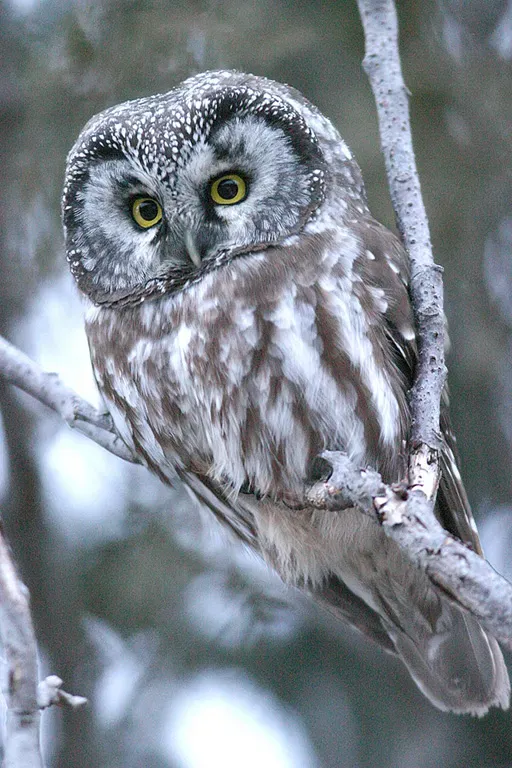
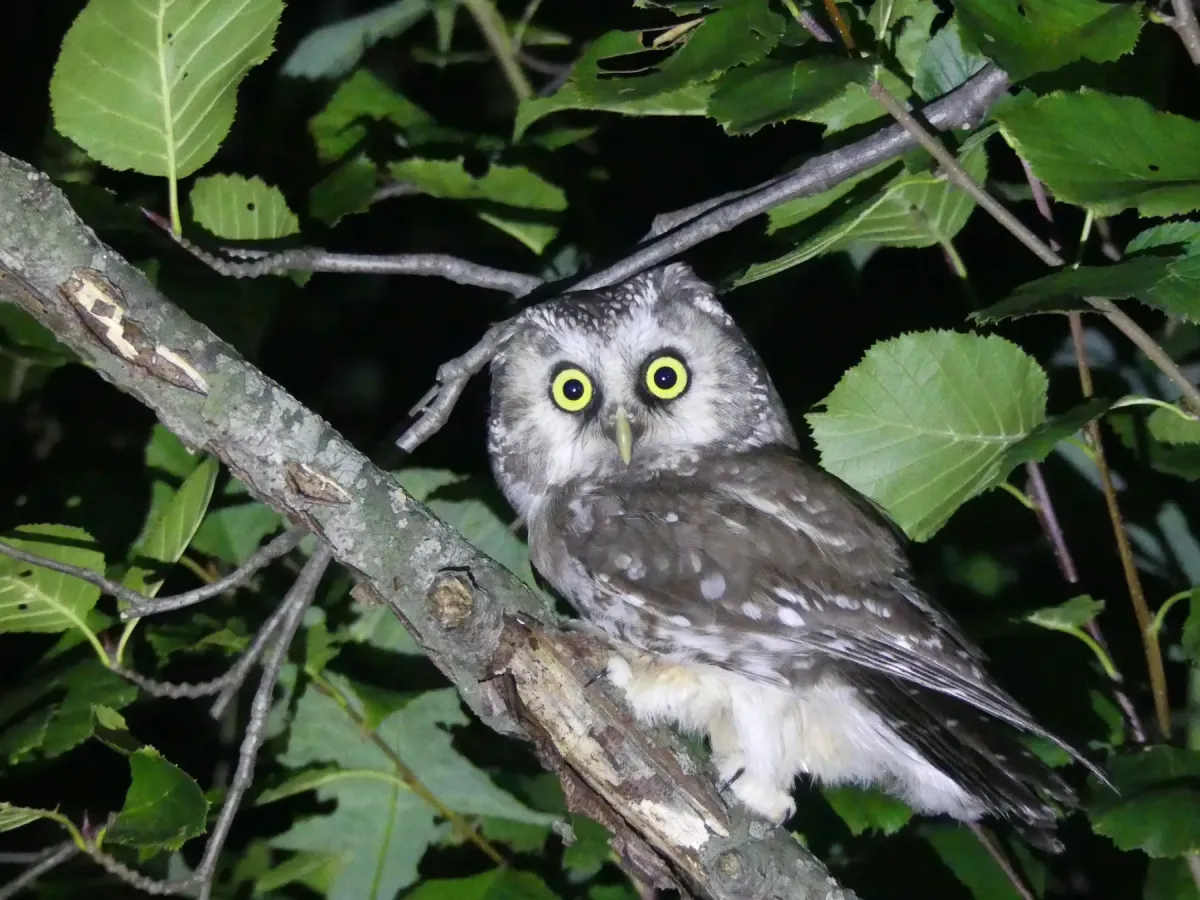
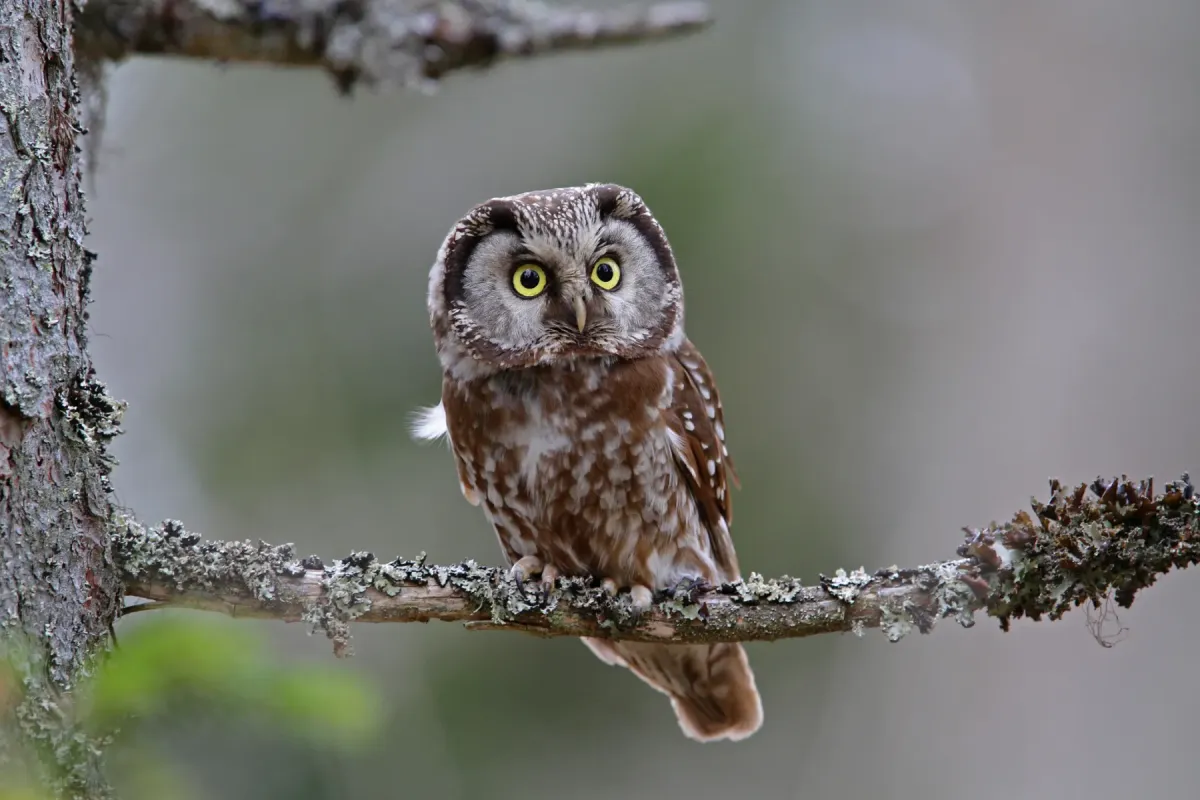
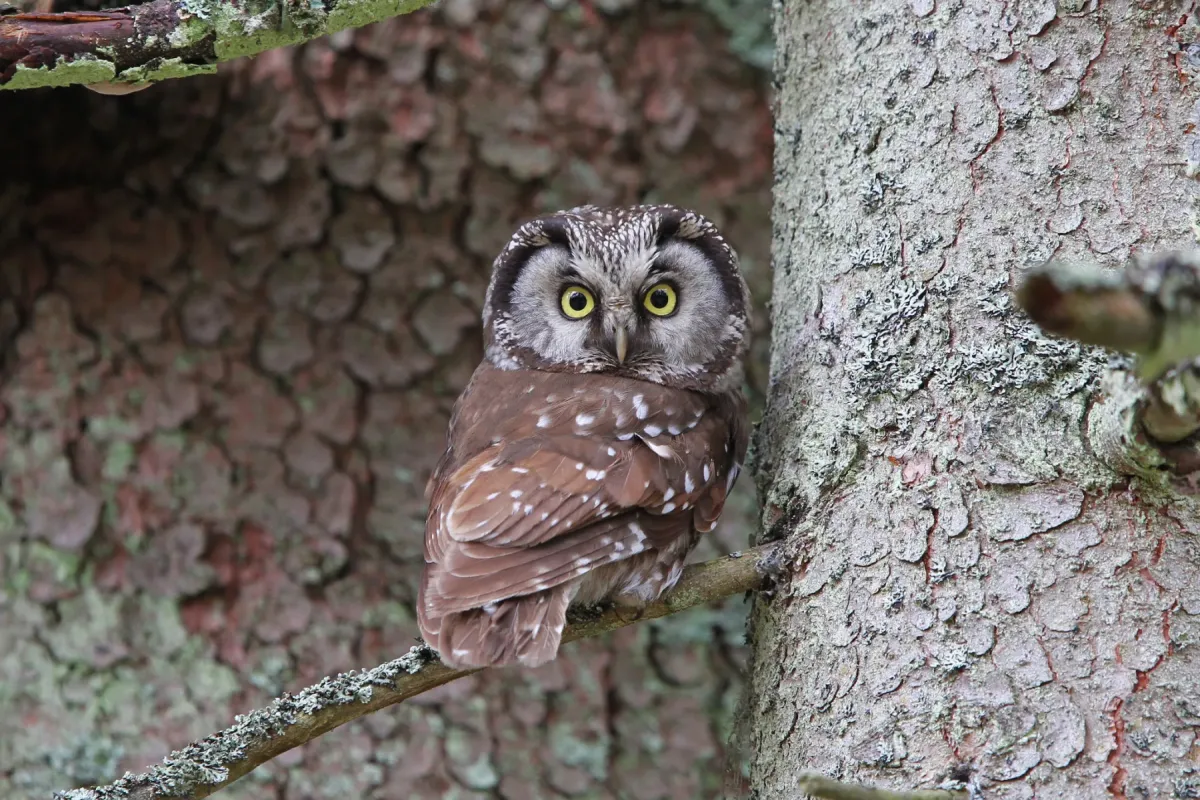
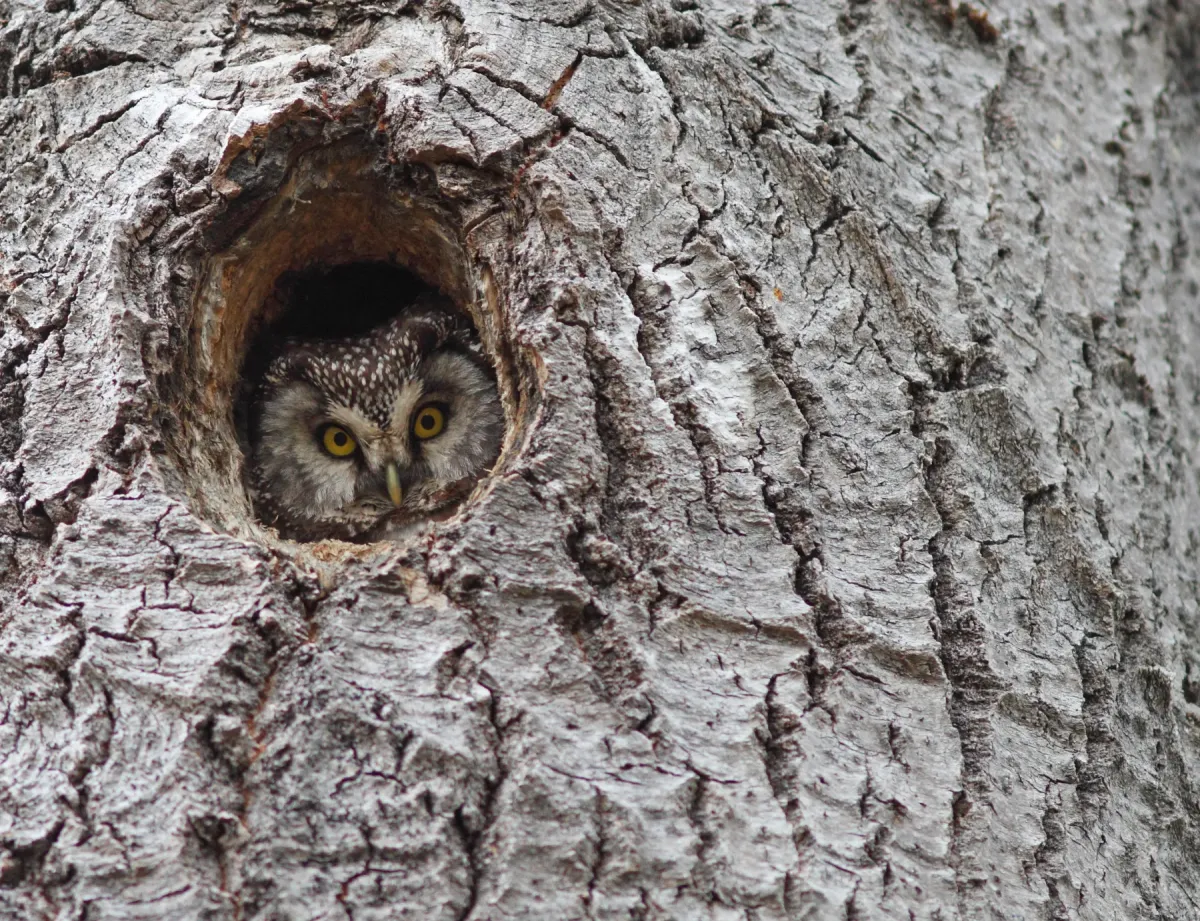
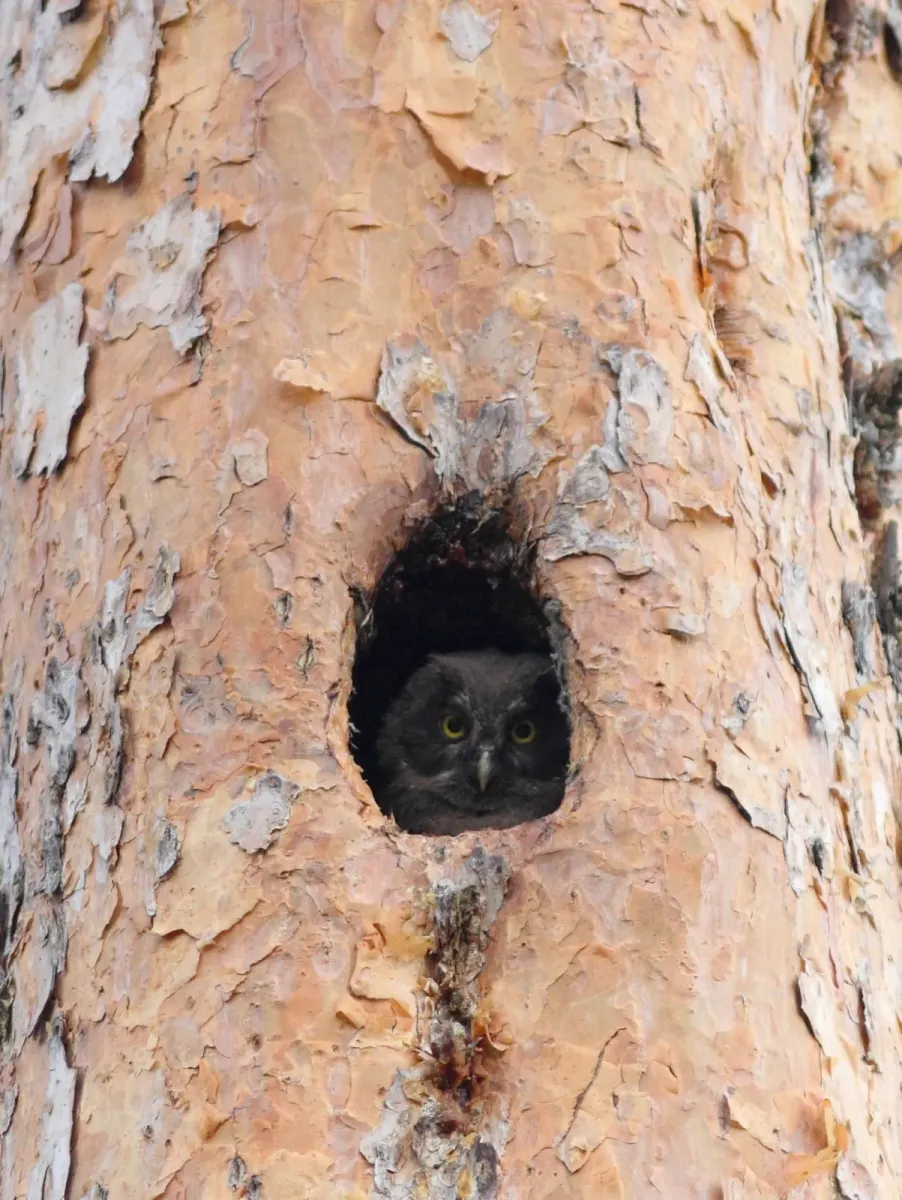
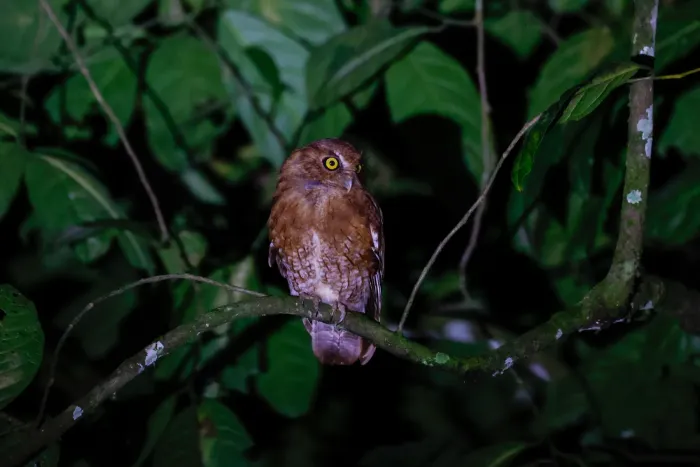
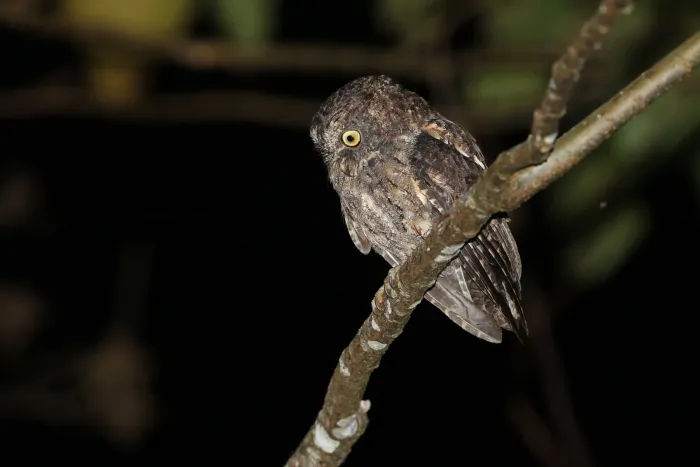
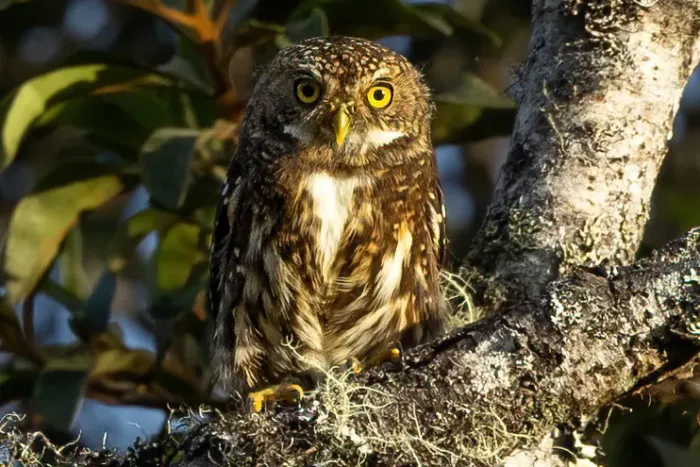
This owl is notoriously difficult to spot. Listen for its soft, even-paced 'hoop-hoop-hoop' call at night, particularly from late winter through spring. If you are lucky enough to see one, note its relatively large head and bright yellow eyes.
When to spot
Primarily nocturnal. Best detected by its distinct, repetitive hooting call during the breeding season (late winter to spring). Visual observations are rare during daylight hours due to its elusive nature.
Where to spot
Dense coniferous and mixed forests in boreal regions of North America, Europe, and Asia.
How to spot
This owl is notoriously difficult to spot. Listen for its soft, even-paced 'hoop-hoop-hoop' call at night, particularly from late winter through spring. If you are lucky enough to see one, note its relatively large head and bright yellow eyes.
When to spot
Primarily nocturnal. Best detected by its distinct, repetitive hooting call during the breeding season (late winter to spring). Visual observations are rare during daylight hours due to its elusive nature.



Credits:
Door Mdf - Eigen werk, CC BY-SA 3.0, https://commons.wikimedia.org/w/index.php?curid=227127

Credits:
Door Mdf - Eigen werk, CC BY-SA 3.0, https://commons.wikimedia.org/w/index.php?curid=227127
Credits:
Wikimedia Commons
Credits:
Wikimedia Commons
Credits:
Wikimedia Commons
Credits:
Wikimedia Commons
Credits:
Wikimedia Commons
Credits:
Wikimedia Commons
The Boreal Owl possesses exceptionally acute hearing, allowing it to detect and locate prey moving underneath several feet of snow, a crucial adaptation for its cold habitat.


Also interesting



Share this page
Or share directly on
