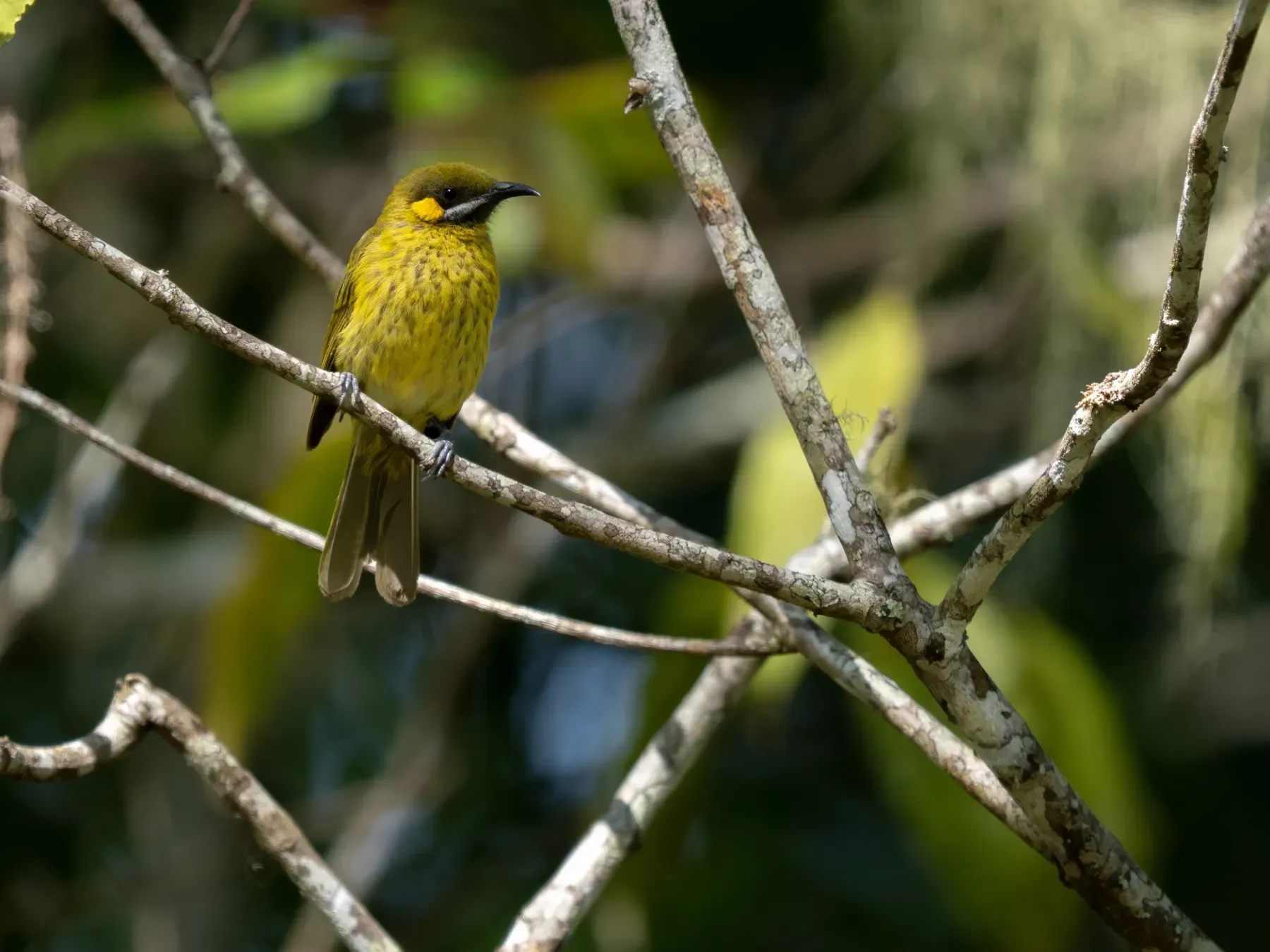
Yellow-eared Honeyeater
Yellow-eared Honeyeater
100
-
Points:
100
Not yet spotted on Fladder
Spotted
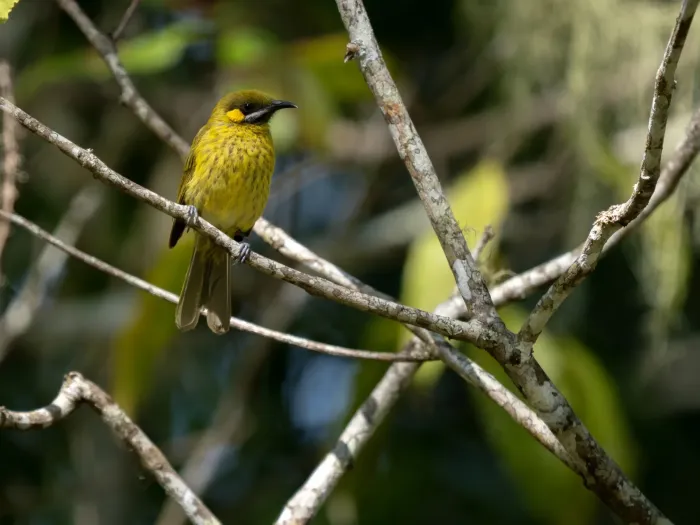
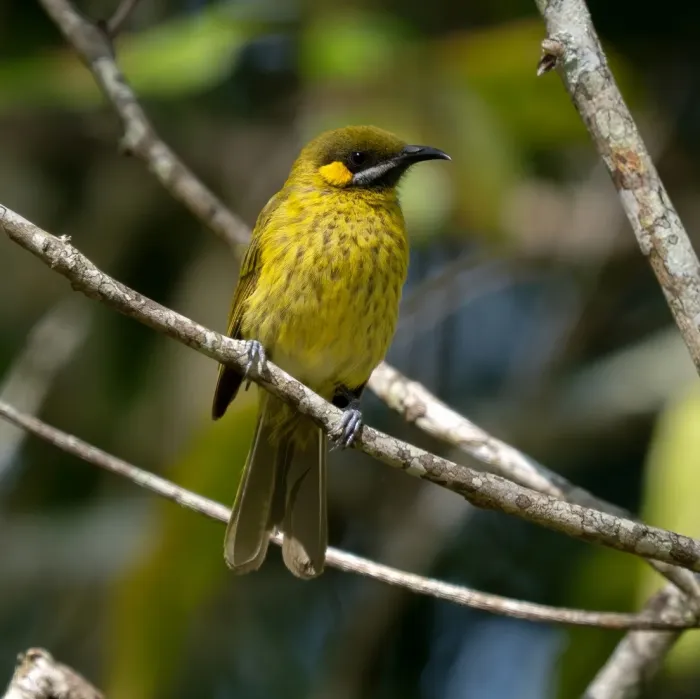
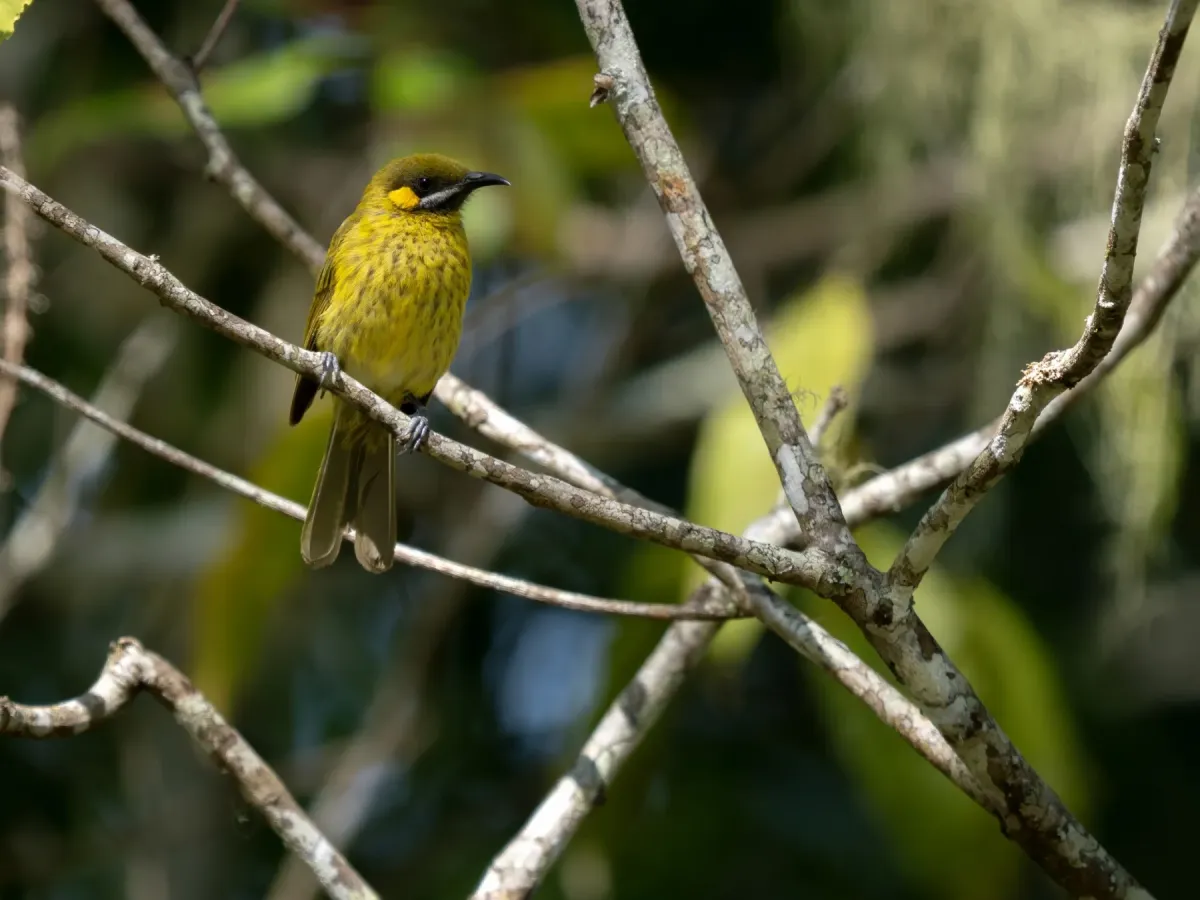
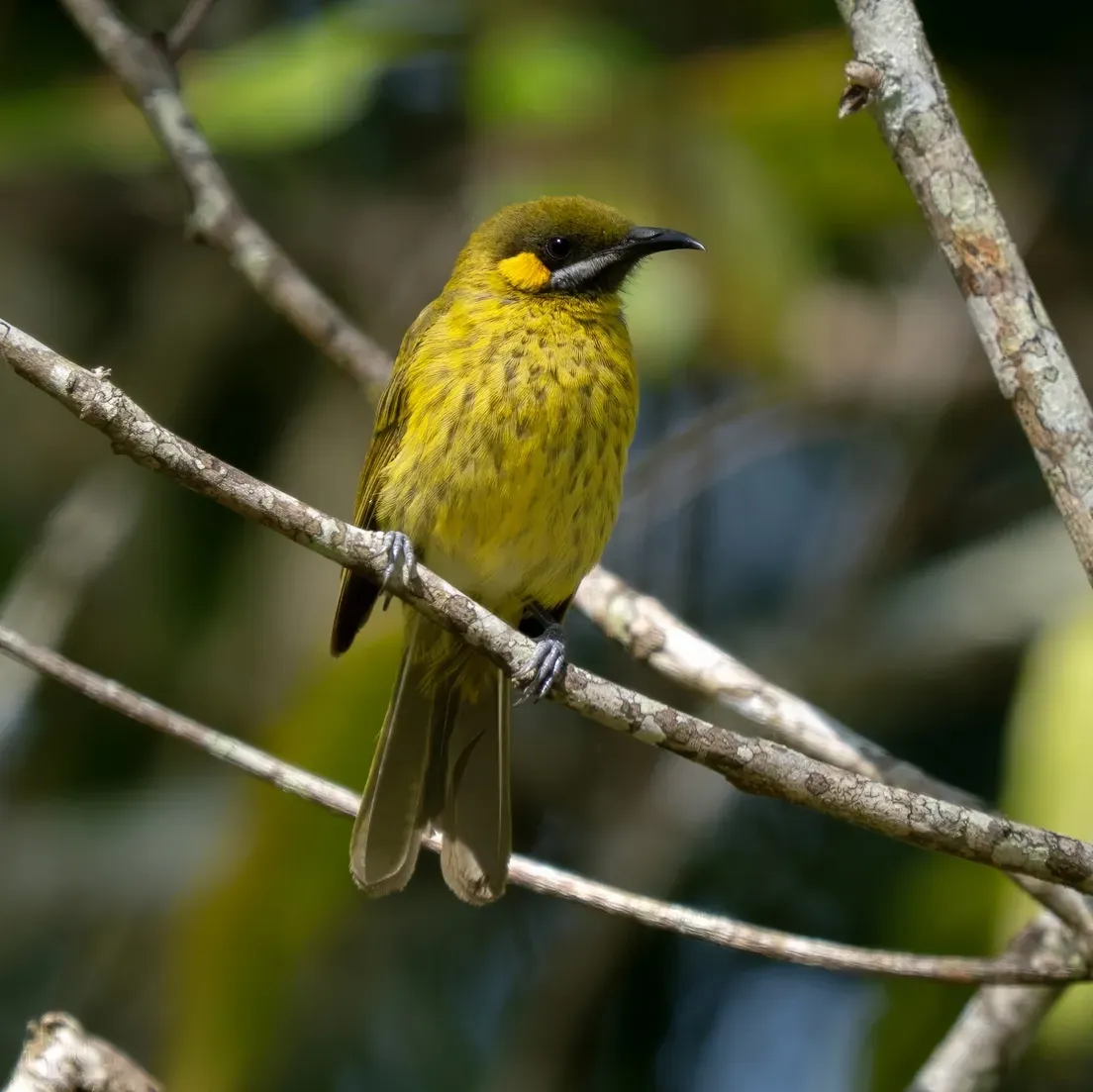
The Yellow-eared Honeyeater is a distinctive honeyeater named for the bright yellow patch behind its eye. It is endemic to Timor and nearby islands in the Lesser Sundas.
Where to spot
Endemic to the island of Timor and nearby small islands in the Lesser Sundas, Indonesia. Inhabits woodlands, dry forests, and gardens.
How to spot
Look for the prominent yellow ear patch, its key distinguishing feature. Listen for its energetic and varied calls. Often seen actively foraging in flowering trees and shrubs.
When to spot
Active year-round, especially when local flowering plants are abundant and provide ample nectar.
Where to spot
Endemic to the island of Timor and nearby small islands in the Lesser Sundas, Indonesia. Inhabits woodlands, dry forests, and gardens.
How to spot
Look for the prominent yellow ear patch, its key distinguishing feature. Listen for its energetic and varied calls. Often seen actively foraging in flowering trees and shrubs.
When to spot
Active year-round, especially when local flowering plants are abundant and provide ample nectar.
Credits:
Wikimedia Commons
Credits:
Wikimedia Commons
It is an opportunistic feeder, taking nectar from a wide variety of native and introduced flowering plants, as well as insects, showcasing its adaptability to diverse food sources.
Loading...
Spotted
No recently spotted birds
Monthly observations
No observations
Loading...
Nothing spotted yet
Also interesting




Share this page
Or share directly on
