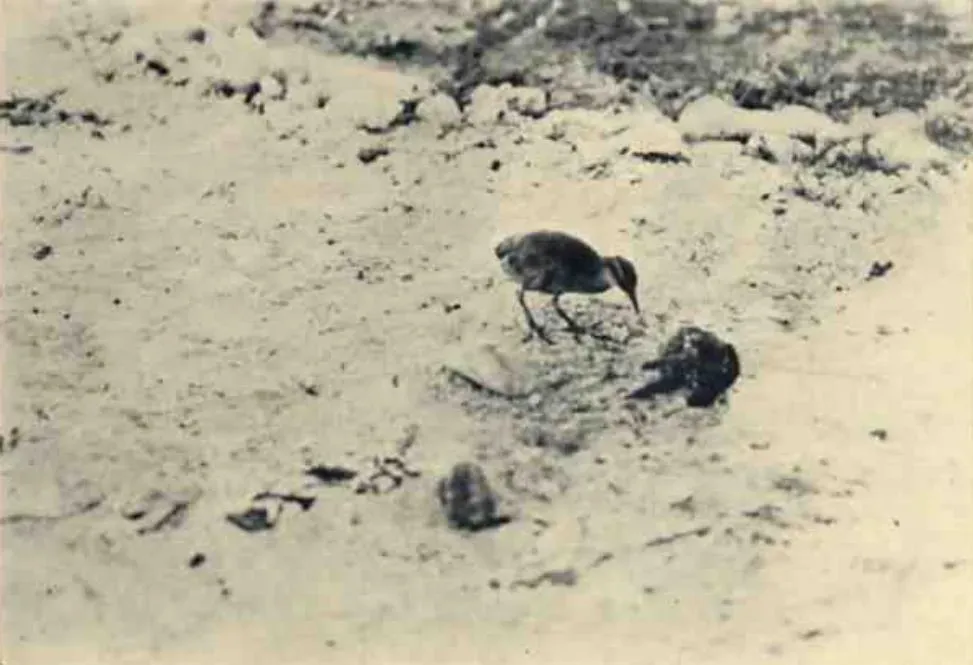
Wake Island Rail
Wake Island Rail
100
-
Points:
100
Not yet spotted on Fladder
Spotted
The Wake Island Rail was a small, flightless rail endemic to Wake Island in the Pacific Ocean. It was characterized by its brownish-grey plumage and compact build. Tragically, this species went extinct during World War II due to starvation and predation.
Where to spot
Historically endemic to Wake Island (USA Minor Outlying Islands), a small atoll in the central Pacific.
How to spot
This bird is extinct and cannot be observed. Information is based on historical accounts and a few preserved specimens.
When to spot
Extinct. It disappeared between 1942-1945 during the Japanese occupation of Wake Island in WWII.
Where to spot
Historically endemic to Wake Island (USA Minor Outlying Islands), a small atoll in the central Pacific.
How to spot
This bird is extinct and cannot be observed. Information is based on historical accounts and a few preserved specimens.
When to spot
Extinct. It disappeared between 1942-1945 during the Japanese occupation of Wake Island in WWII.


Credits:
Wikimedia Commons

Credits:
Wikimedia Commons
The Wake Island Rail was one of the few bird species known to have gone extinct directly as a result of human conflict, as Japanese forces occupying the island hunted them for food during wartime scarcity.
Loading...
Spotted
No recently spotted birds
Monthly observations
No observations
Loading...
Nothing spotted yet
Also interesting


Share this page
Or share directly on
