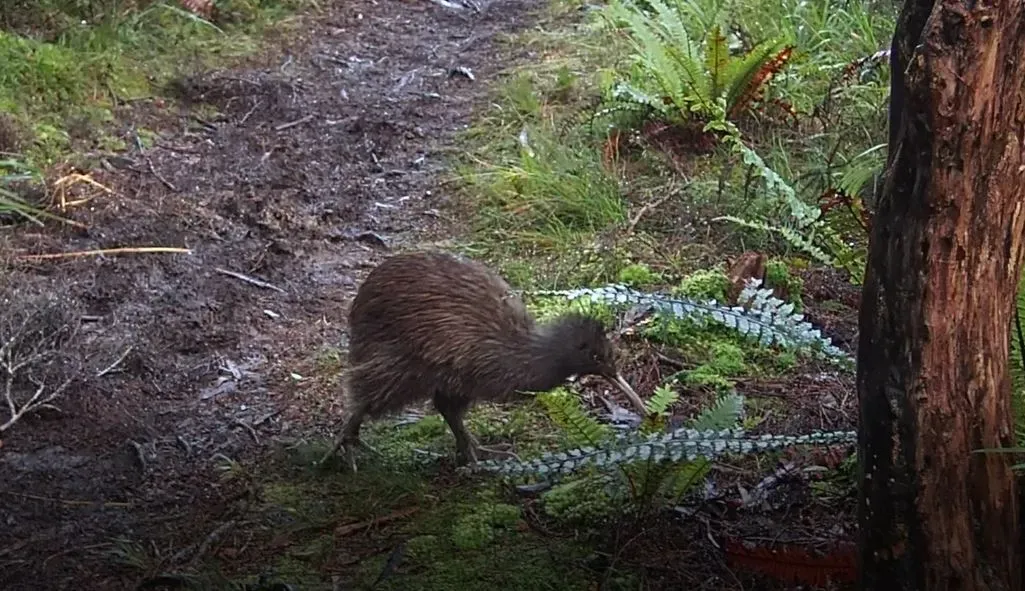
Southern Brown Kiwi
Southern Brown Kiwi
100
-
Points:
100
Not yet spotted on Fladder
Spotted
The Southern Brown Kiwi is a nocturnal, flightless bird endemic to New Zealand, recognizable by its shaggy, brown plumage, exceptionally long bill with nostrils at the tip, and whisker-like feathers around its beak. It relies profoundly on its acute sense of smell to locate food.
Where to spot
Found in scattered populations across the North, South, and Stewart Islands of New Zealand, inhabiting a variety of environments including native forests, scrublands, and even modified farmlands, demonstrating remarkable adaptability.
How to spot
Due to their nocturnal habits and shy nature, they are very difficult to observe. The best approach is to listen for their distinctive, piercing 'kiwi-kiwi' calls, especially after dark. Spotting them typically involves quiet night walks in protected habitats, using red-filtered lights to minimize disturbance.
When to spot
Strictly nocturnal, the Southern Brown Kiwi is active from dusk until dawn. Direct observation in the wild is extremely challenging and often requires participating in specialized guided tours with permits in dedicated conservation areas.
Where to spot
Found in scattered populations across the North, South, and Stewart Islands of New Zealand, inhabiting a variety of environments including native forests, scrublands, and even modified farmlands, demonstrating remarkable adaptability.
How to spot
Due to their nocturnal habits and shy nature, they are very difficult to observe. The best approach is to listen for their distinctive, piercing 'kiwi-kiwi' calls, especially after dark. Spotting them typically involves quiet night walks in protected habitats, using red-filtered lights to minimize disturbance.
When to spot
Strictly nocturnal, the Southern Brown Kiwi is active from dusk until dawn. Direct observation in the wild is extremely challenging and often requires participating in specialized guided tours with permits in dedicated conservation areas.


Credits:
Wikimedia Commons

Credits:
Wikimedia Commons

Credits:
Wikimedia Commons

Credits:
Wikimedia Commons

Credits:
Wikimedia Commons

Credits:
Wikimedia Commons
Kiwis are unique among birds globally for having nostrils located at the very end of their long bills, which they use with remarkable precision to sniff out worms, insects, and other invertebrates burrowed underground.
Loading...
Spotted
No recently spotted birds
Monthly observations
No observations
Loading...
Nothing spotted yet
Also interesting




Share this page
Or share directly on
