Slaty-legged Crake
Slaty-legged Crake
100
-
Points:
100
Not yet spotted on Fladder
Spotted
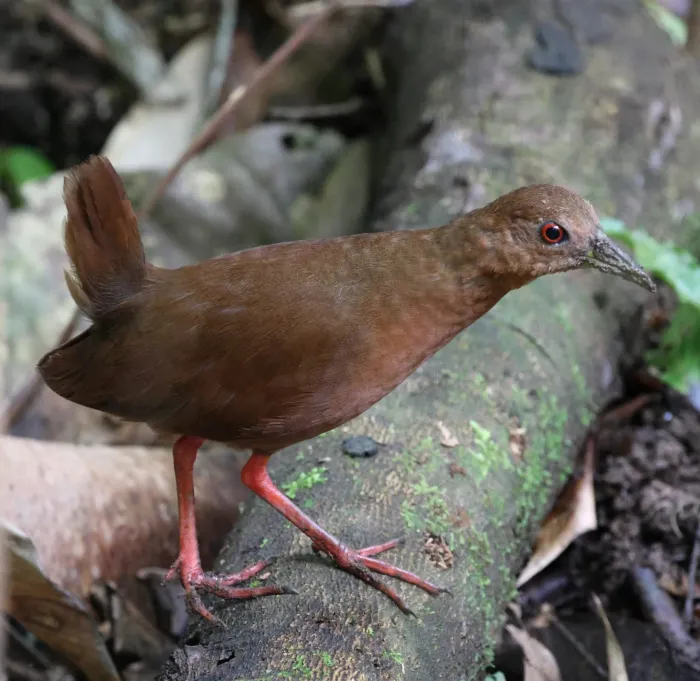
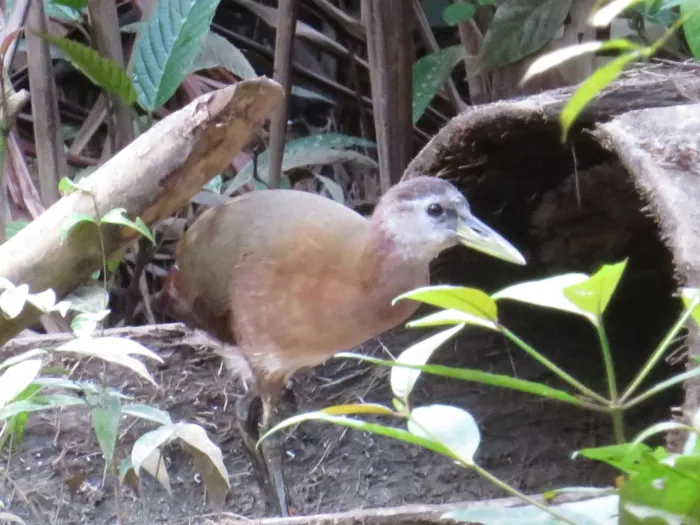
The Slaty-legged Crake (Rallina eurizonoides) is a secretive rail species found across South and Southeast Asia. It is characterized by its slate-grey head and breast, brownish upperparts, and distinctively slaty-grey legs.
Where to spot
Widespread from the Indian subcontinent eastward through Southeast Asia, China, Japan, and the Philippines. Inhabits a variety of wetland and damp terrestrial habitats, including forests, plantations, marshes, and rice paddies.
How to spot
Listen for its distinctive calls from dense cover. It is a shy bird, so finding a good vantage point overlooking marshy or reedy areas and waiting patiently is recommended. Look for quick movements in the undergrowth.
When to spot
Year-round resident, though some populations may undertake short migrations. Most vocal at dawn and dusk, particularly during the breeding season.
Where to spot
Widespread from the Indian subcontinent eastward through Southeast Asia, China, Japan, and the Philippines. Inhabits a variety of wetland and damp terrestrial habitats, including forests, plantations, marshes, and rice paddies.
How to spot
Listen for its distinctive calls from dense cover. It is a shy bird, so finding a good vantage point overlooking marshy or reedy areas and waiting patiently is recommended. Look for quick movements in the undergrowth.
When to spot
Year-round resident, though some populations may undertake short migrations. Most vocal at dawn and dusk, particularly during the breeding season.
This crake is known for its rather loud and repetitive 'kek-kek-kek' call, which often reveals its presence even when the bird itself remains hidden in dense undergrowth.
Loading...
Spotted
No recently spotted birds
Monthly observations
No observations
Loading...
Nothing spotted yet
Also interesting




Share this page
Or share directly on
