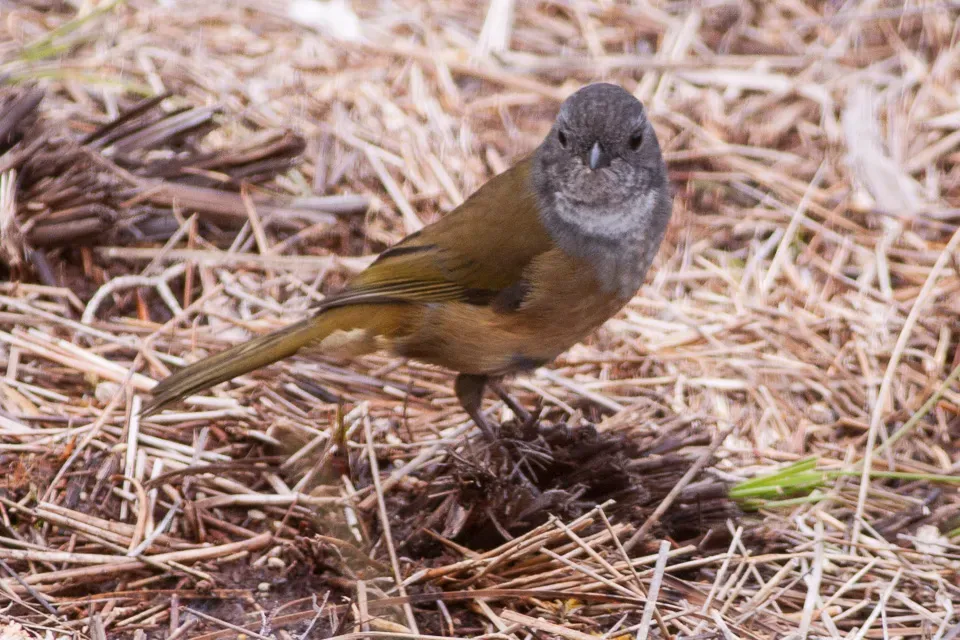
Where to spot
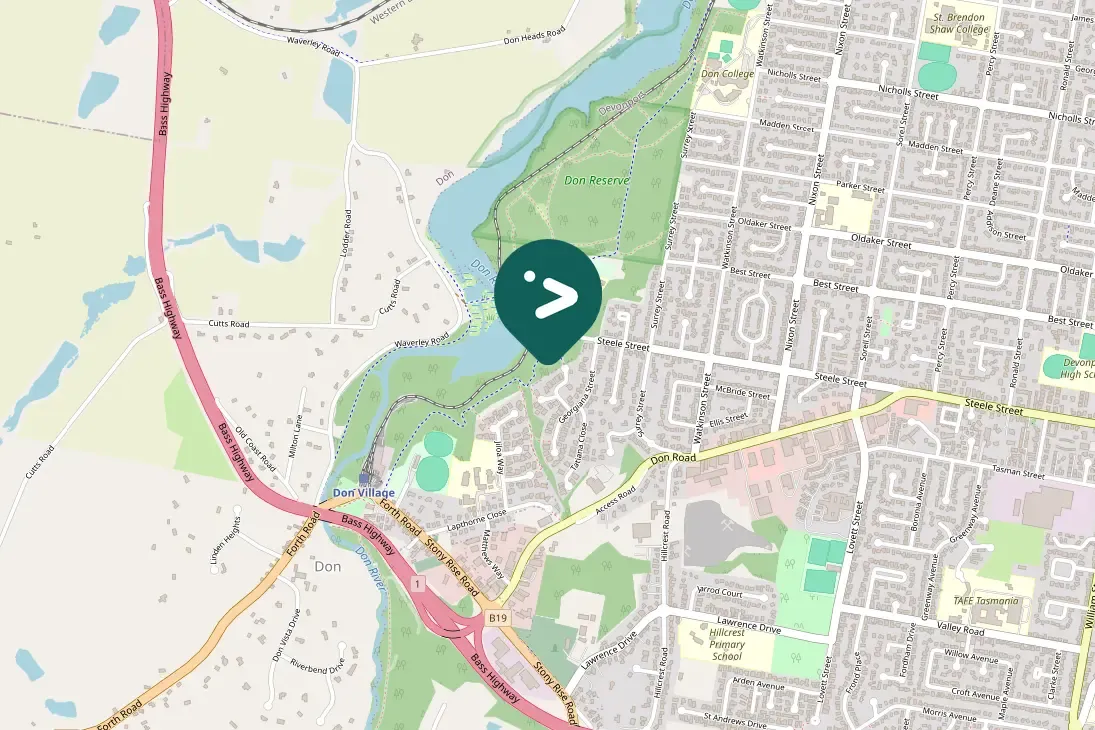
Inhabits temperate rainforests, wet sclerophyll forests, and dense damp gulleys in southeastern Australia and Tasmania. Prefers dense undergrowth.
How to spot
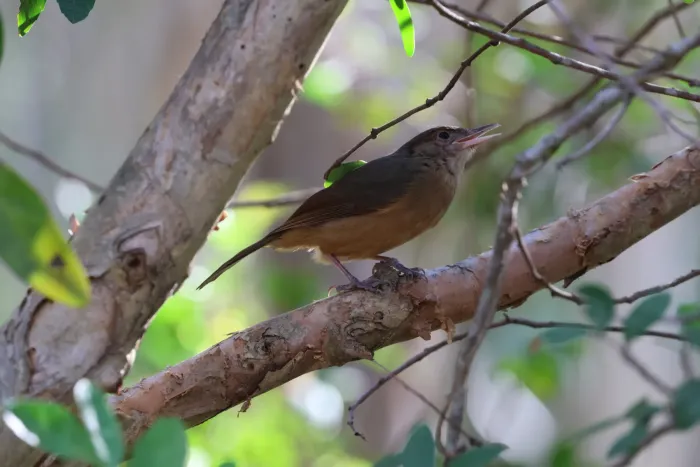
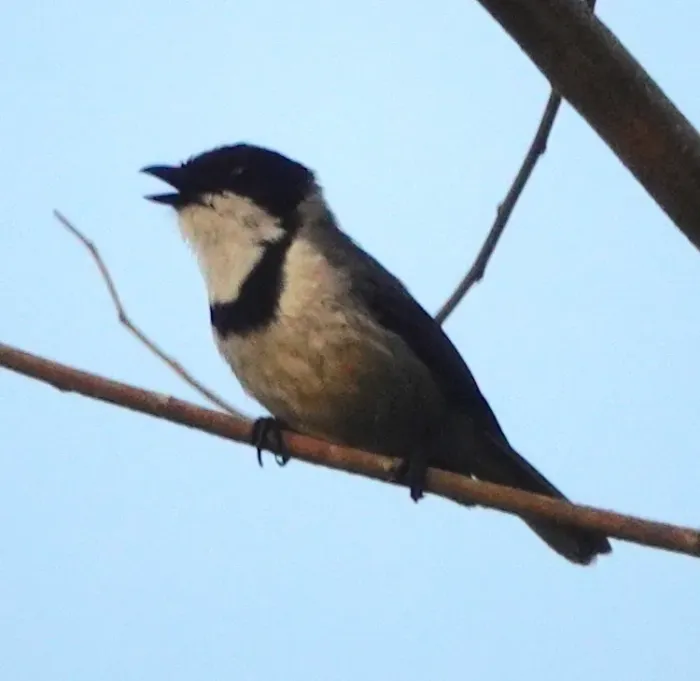
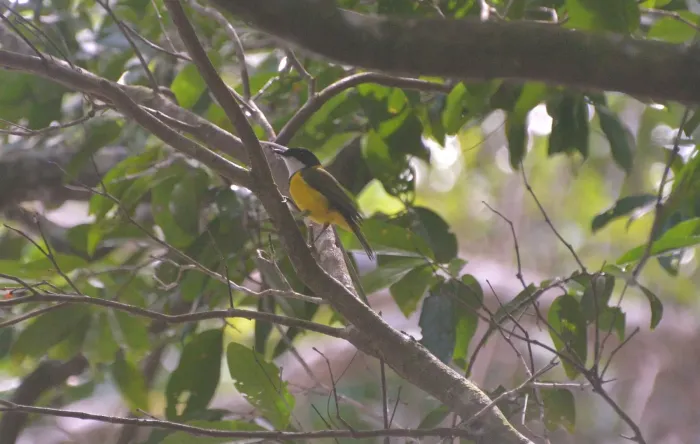
Listen for its characteristic, mournful 'pee-pee-pee-pow' call. Look for its dull olive-brown plumage, slightly paler belly, and a dark eye. It tends to forage quietly in the undergrowth or low branches.
When to spot
Year-round resident. Most vocal during the breeding season (spring and summer), particularly in the early mornings and late afternoons.
Where to spot
Inhabits temperate rainforests, wet sclerophyll forests, and dense damp gulleys in southeastern Australia and Tasmania. Prefers dense undergrowth.
How to spot
Listen for its characteristic, mournful 'pee-pee-pee-pow' call. Look for its dull olive-brown plumage, slightly paler belly, and a dark eye. It tends to forage quietly in the undergrowth or low branches.
When to spot
Year-round resident. Most vocal during the breeding season (spring and summer), particularly in the early mornings and late afternoons.


Credits:
Wikimedia Commons

Credits:
Wikimedia Commons
Despite its retiring nature, the Olive Whistler has one of the most beautiful and distinctive calls among Australian birds, a mournful, drawn-out whistle that carries far through the forest.

Also interesting


Share this page
Or share directly on
