Nyanza Swift
Nyanza Swift
100
-
Points:
100
Not yet spotted on Fladder
Spotted
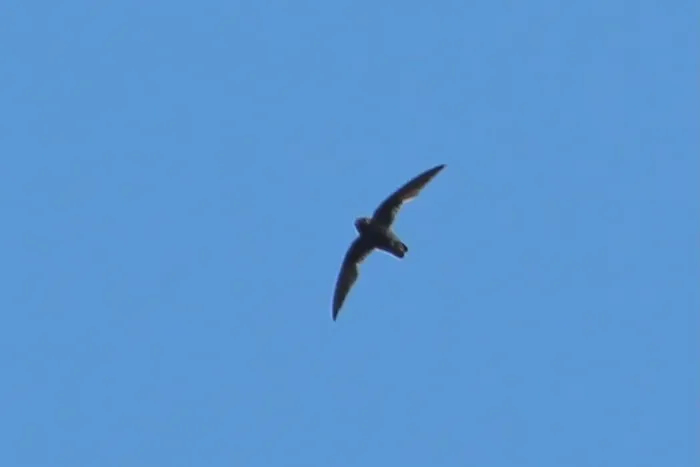
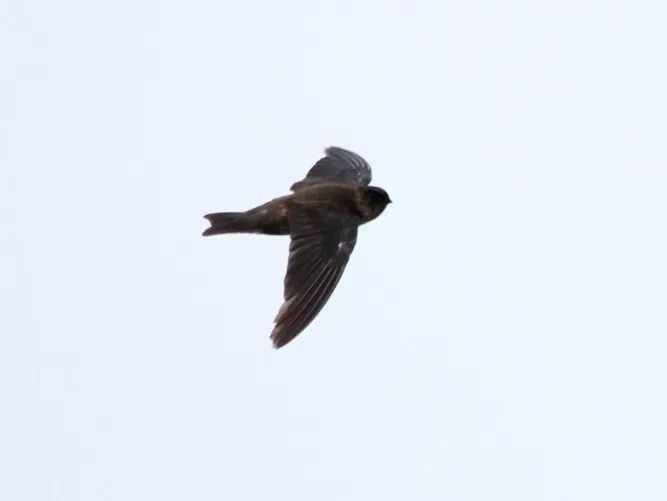
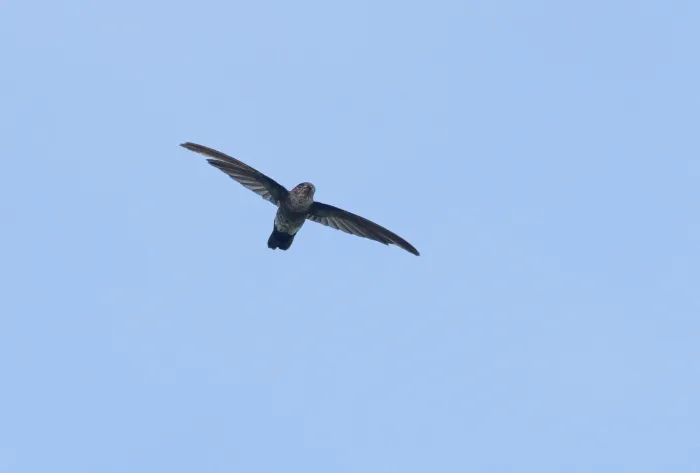
The Nyanza Swift is a distinct species of swift found in eastern Africa, often associated with cliffs and rocky habitats. It is characterized by its dark plumage and a relatively shallowly forked tail, spending its life on the wing.
Where to spot
Primarily found in eastern Africa, from Sudan and Eritrea south through Ethiopia, Uganda, Kenya, and Tanzania. Favors rocky gorges, cliffs, and mountainous areas.
How to spot
Look for its dark, uniform appearance and flight over cliffs or open country. It can be difficult to distinguish from other dark swifts without clear views, but its specific calls and habitat can aid identification.
When to spot
Active during the day. Breeding season generally corresponds to the rainy season when insect prey is abundant.
Where to spot
Primarily found in eastern Africa, from Sudan and Eritrea south through Ethiopia, Uganda, Kenya, and Tanzania. Favors rocky gorges, cliffs, and mountainous areas.
How to spot
Look for its dark, uniform appearance and flight over cliffs or open country. It can be difficult to distinguish from other dark swifts without clear views, but its specific calls and habitat can aid identification.
When to spot
Active during the day. Breeding season generally corresponds to the rainy season when insect prey is abundant.
Nyanza Swifts are often found nesting in large colonies on cliff faces, making spectacular aerial displays as they come and go from their nesting sites.
Loading...
Spotted
No recently spotted birds
Monthly observations
No observations
Loading...
Nothing spotted yet
Also interesting


Share this page
Or share directly on
