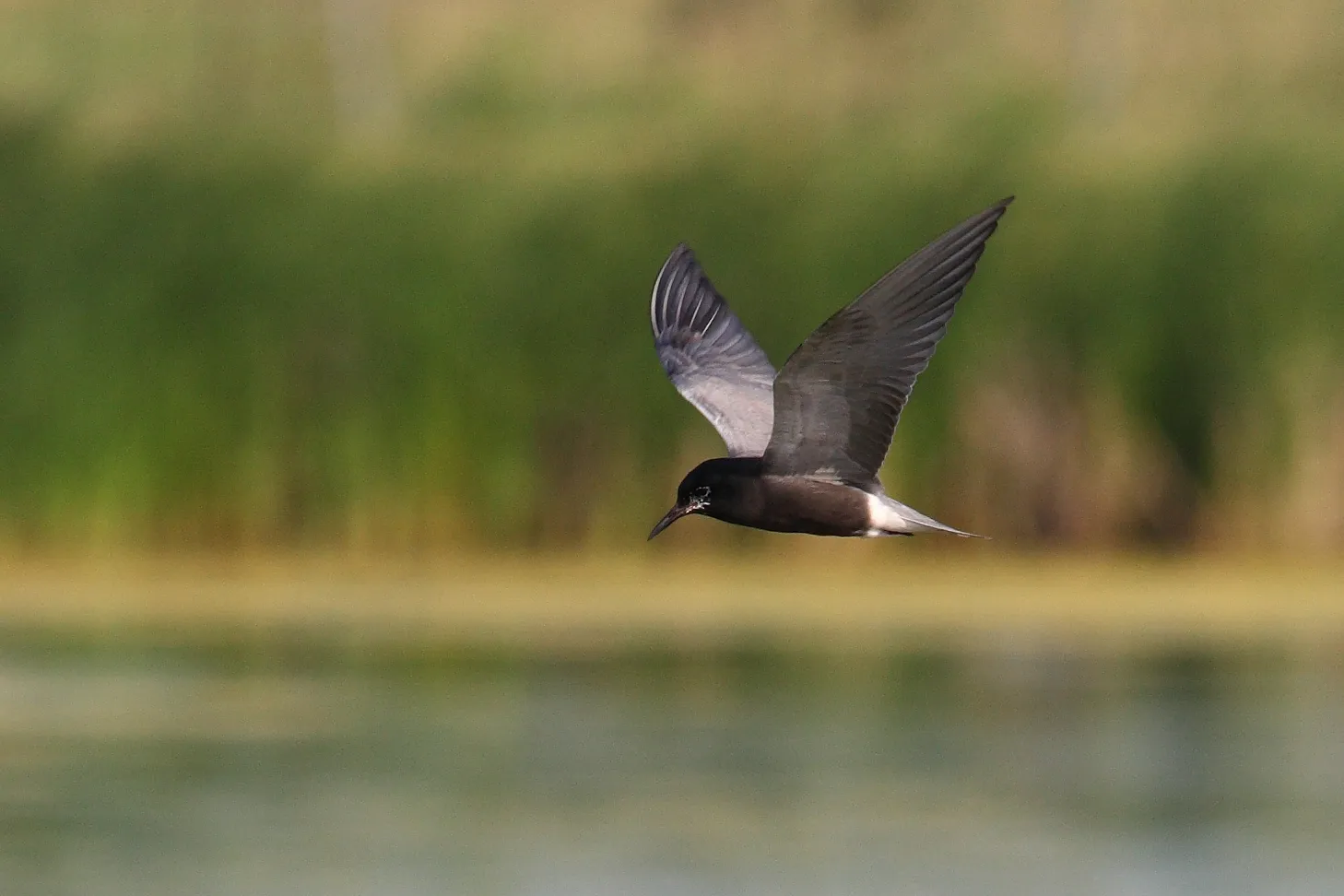
Black Tern
Black Tern
50
2 months ago
door
Teunis Ringenier
Points:
50

G

+30
Spotted by





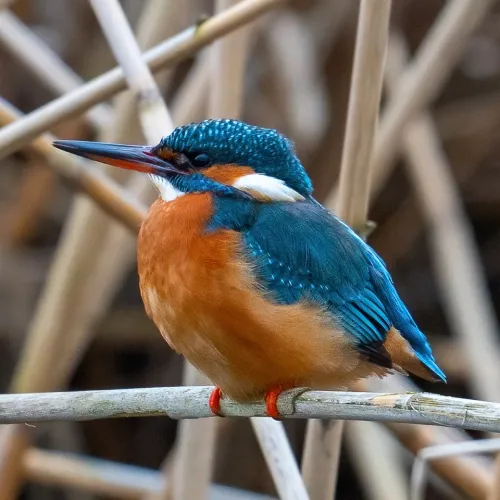






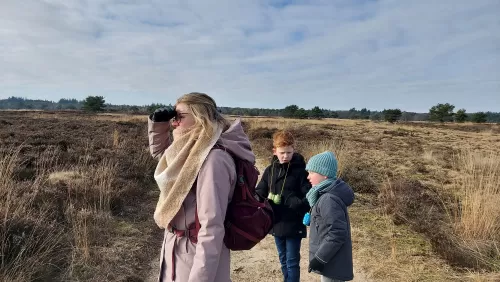




The Black Tern is a small, agile tern of inland wetlands, known for its dark sooty-grey body in breeding plumage and buoyant, often erratic flight. It primarily feeds on insects, frequently caught in flight.
Where to spot
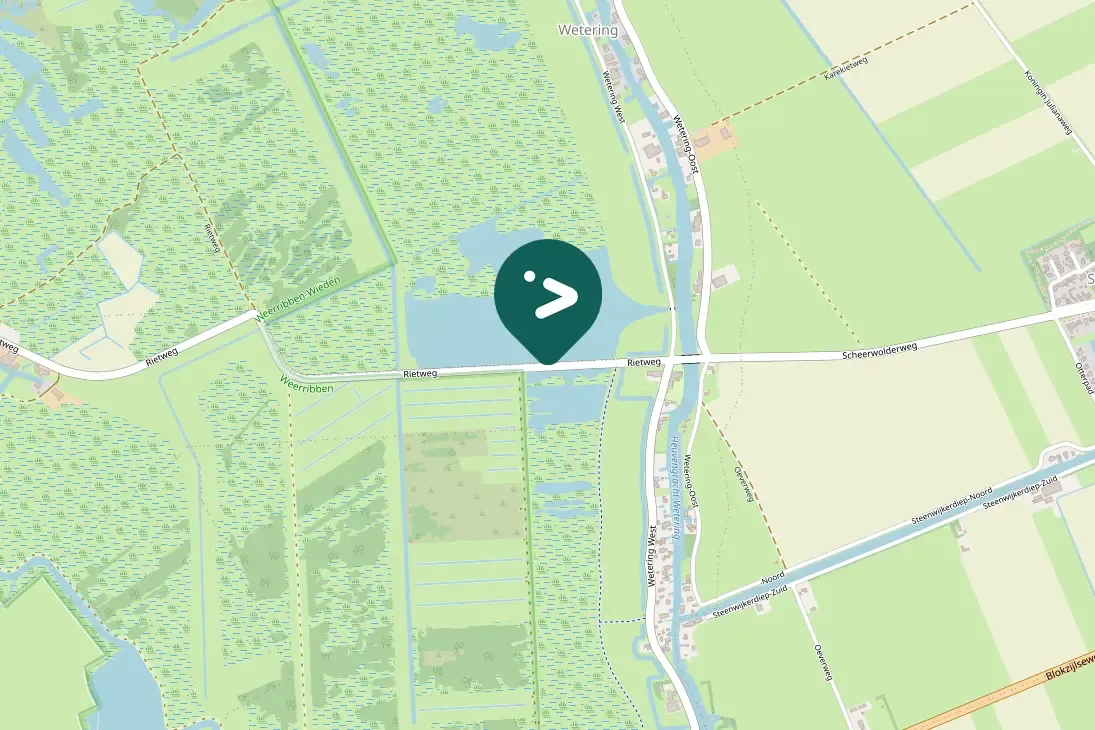
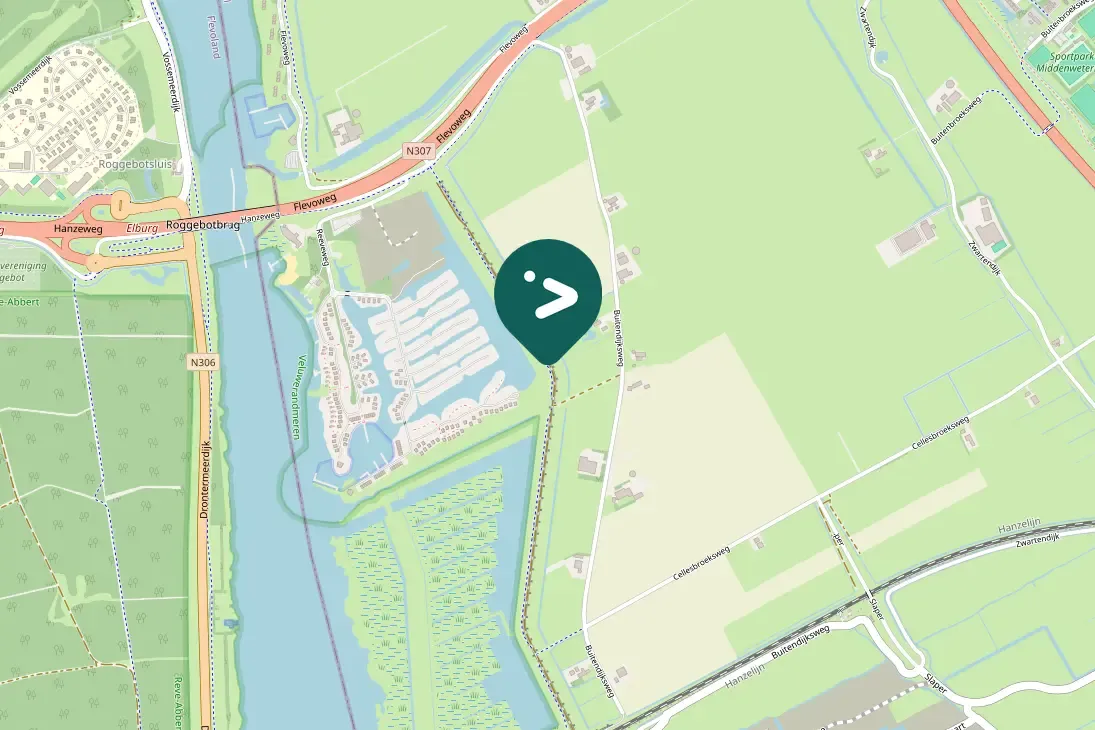
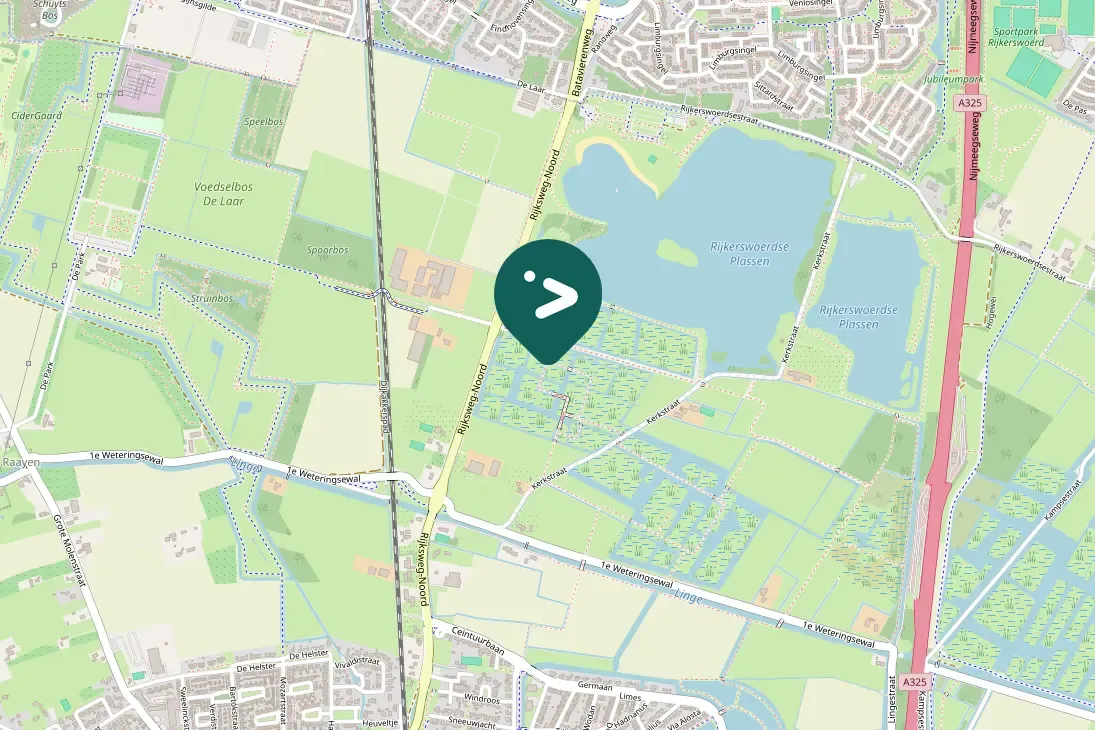
Found in freshwater marshes, lakes, and slow-moving rivers in North America and Europe for breeding. They winter along coastal areas of South America and Africa.
How to spot
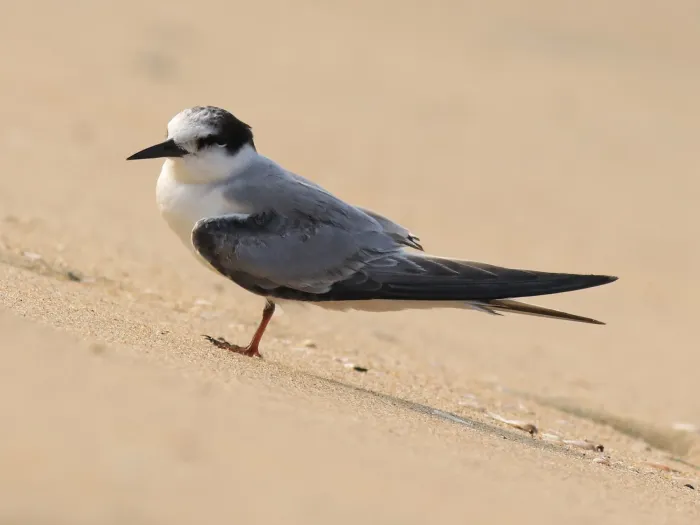
In breeding plumage, look for the dark head, body, and underwings with a contrasting pale tail. In non-breeding plumage, they are paler, but still retain a dark patch behind the eye and maintain their distinctive, graceful flight. Watch for their almost butterfly-like flight as they chase insects.
When to spot
Best observed during their breeding season from late spring to summer in their northern range. They can also be seen during spring and autumn migration periods.
Where to spot
Found in freshwater marshes, lakes, and slow-moving rivers in North America and Europe for breeding. They winter along coastal areas of South America and Africa.
How to spot
In breeding plumage, look for the dark head, body, and underwings with a contrasting pale tail. In non-breeding plumage, they are paler, but still retain a dark patch behind the eye and maintain their distinctive, graceful flight. Watch for their almost butterfly-like flight as they chase insects.
When to spot
Best observed during their breeding season from late spring to summer in their northern range. They can also be seen during spring and autumn migration periods.


Credits:
hans zwitzer

Credits:
By Cephas - Own work, CC BY-SA 3.0, https://commons.wikimedia.org/w/index.php?curid=10803886
Black Terns rarely plunge-dive for fish, preferring to scoop insects from the water's surface or catch them mid-air, a feeding strategy more akin to swallows or gulls than typical terns.
Loading...
Spotted
- Recently spotted
- 4 (Seen in the last 3 months)
- Last spotted
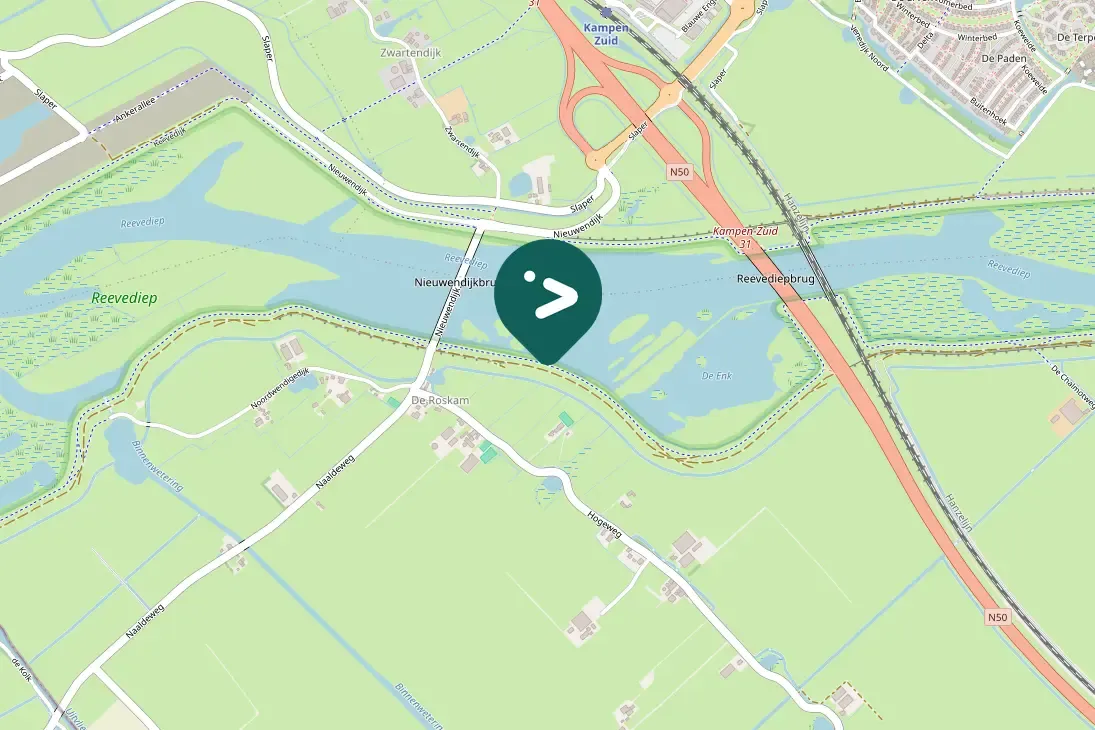
- 2 months ago door Teunis Ringenier
Monthly observations
70 observations
Loading...


Also interesting





Share this page
Or share directly on
