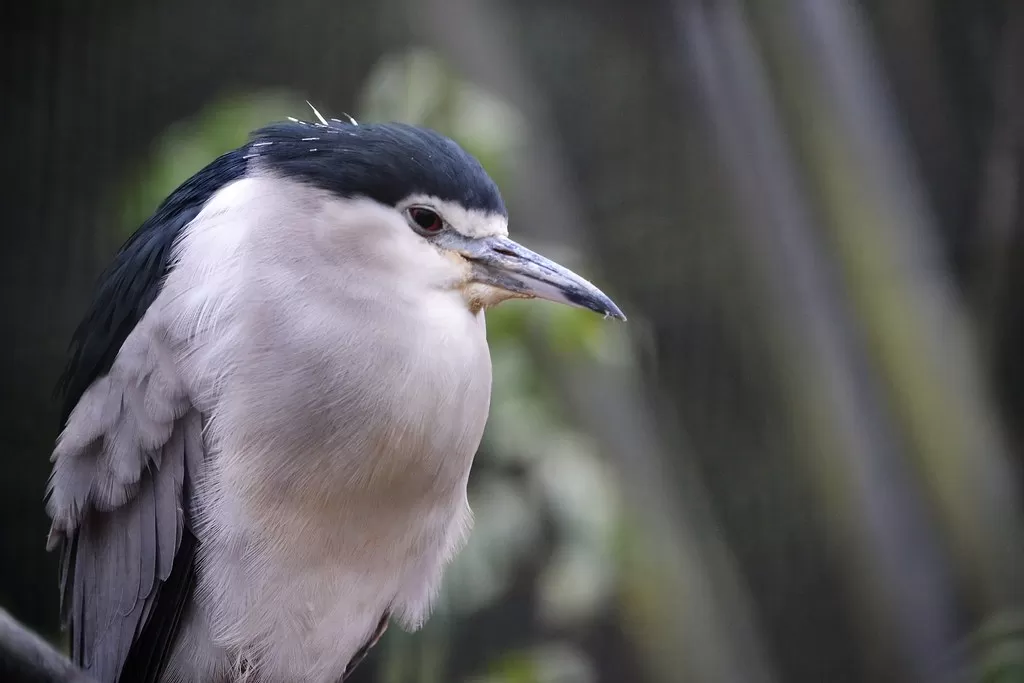
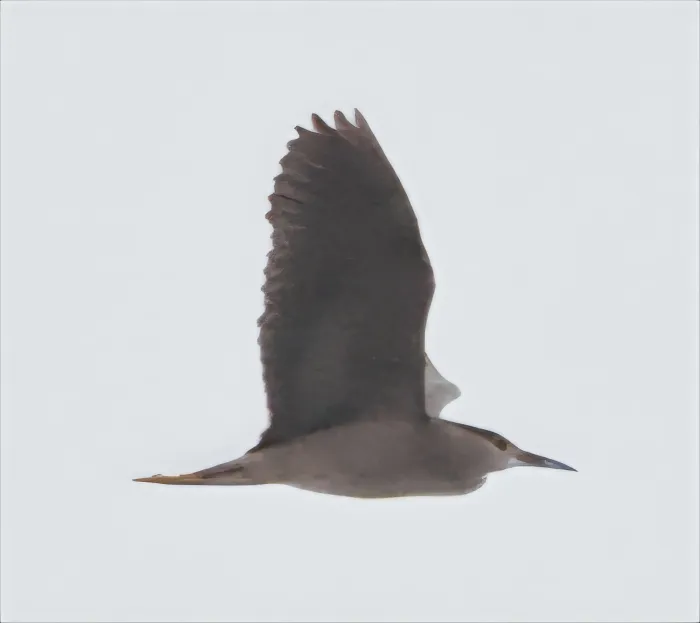
Black-crowned Night Heron



Where to spot
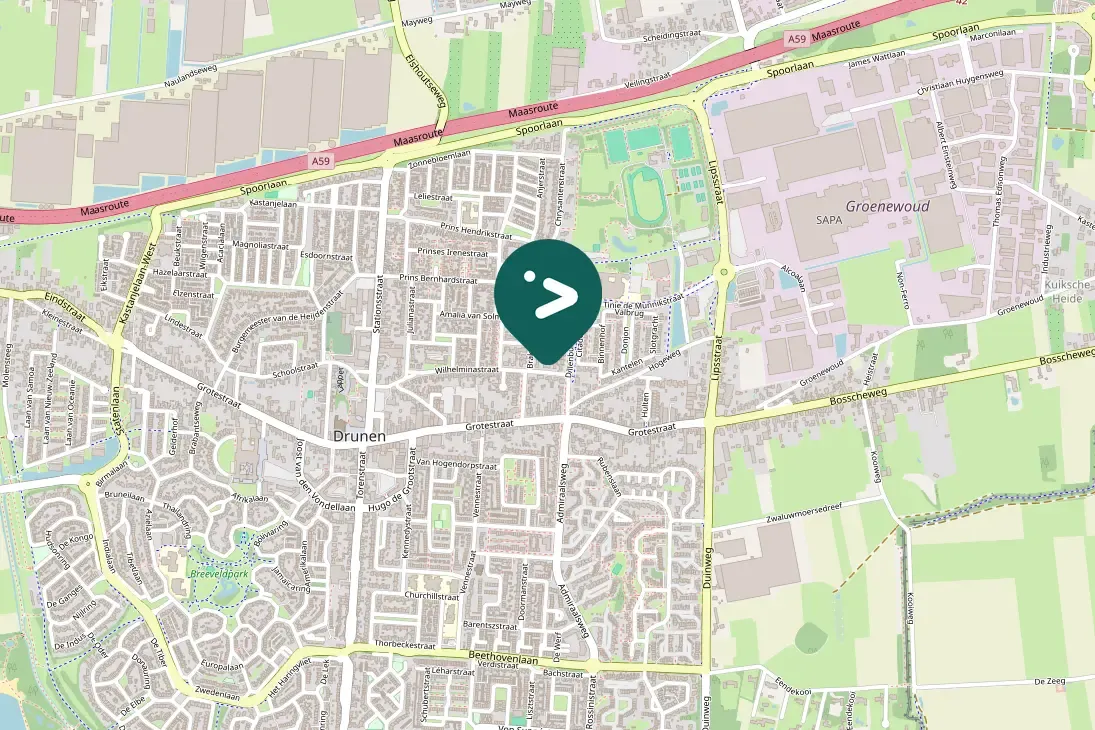
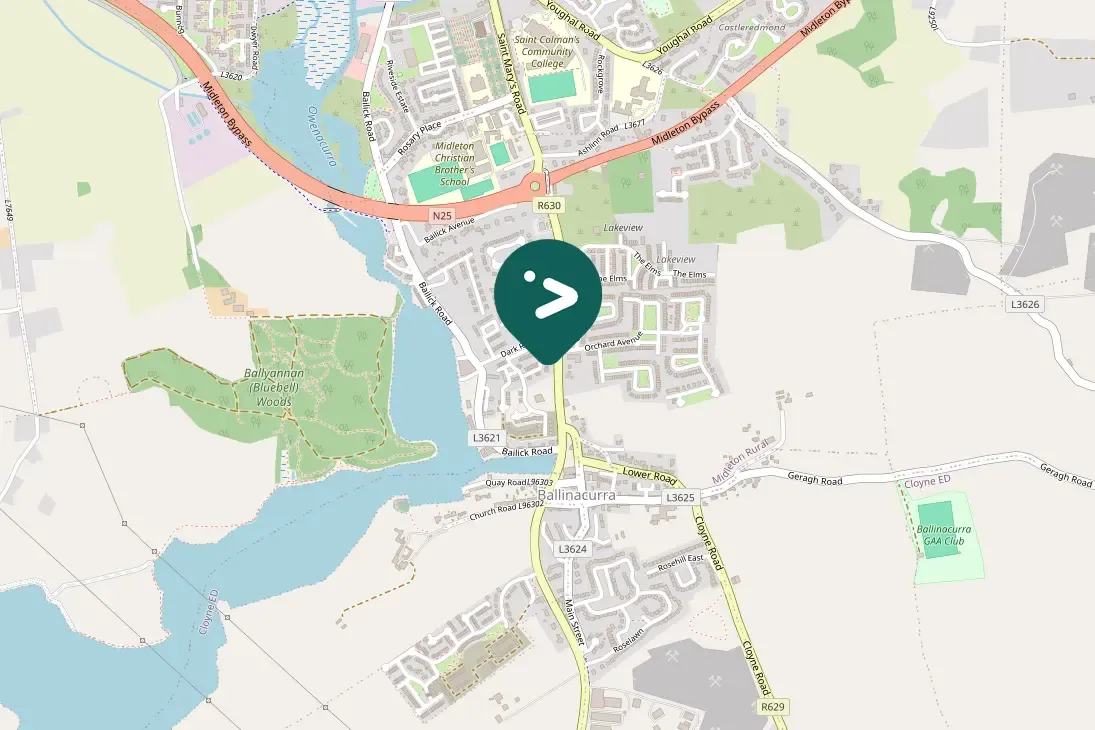
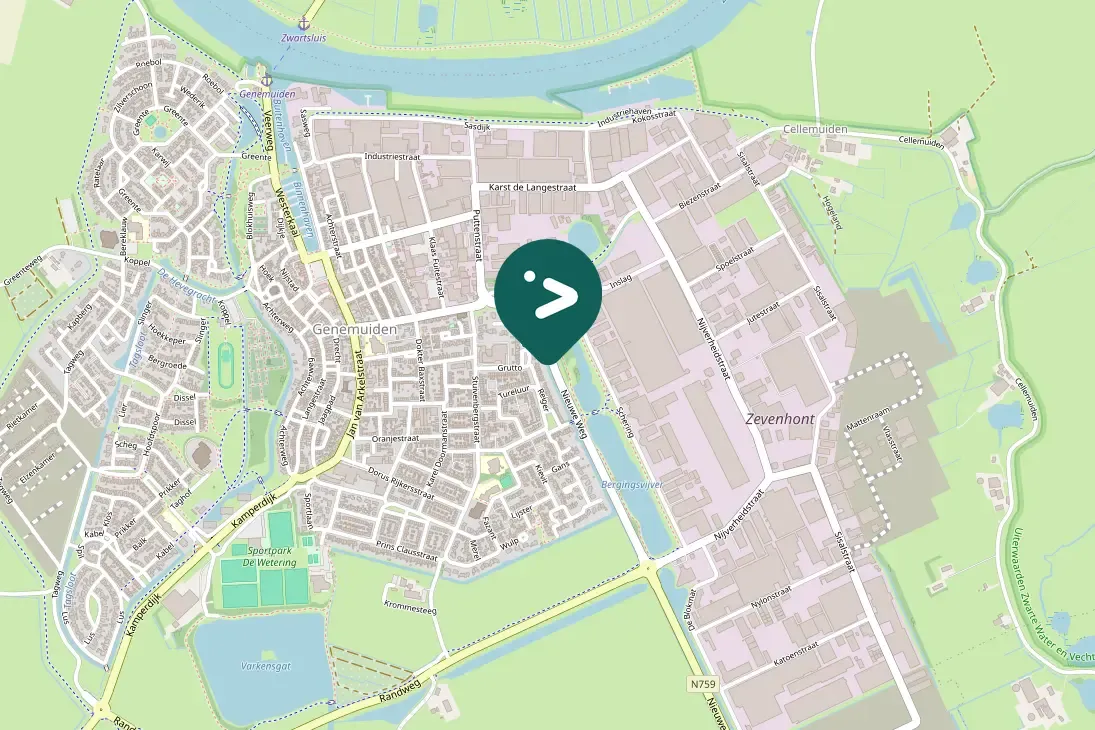
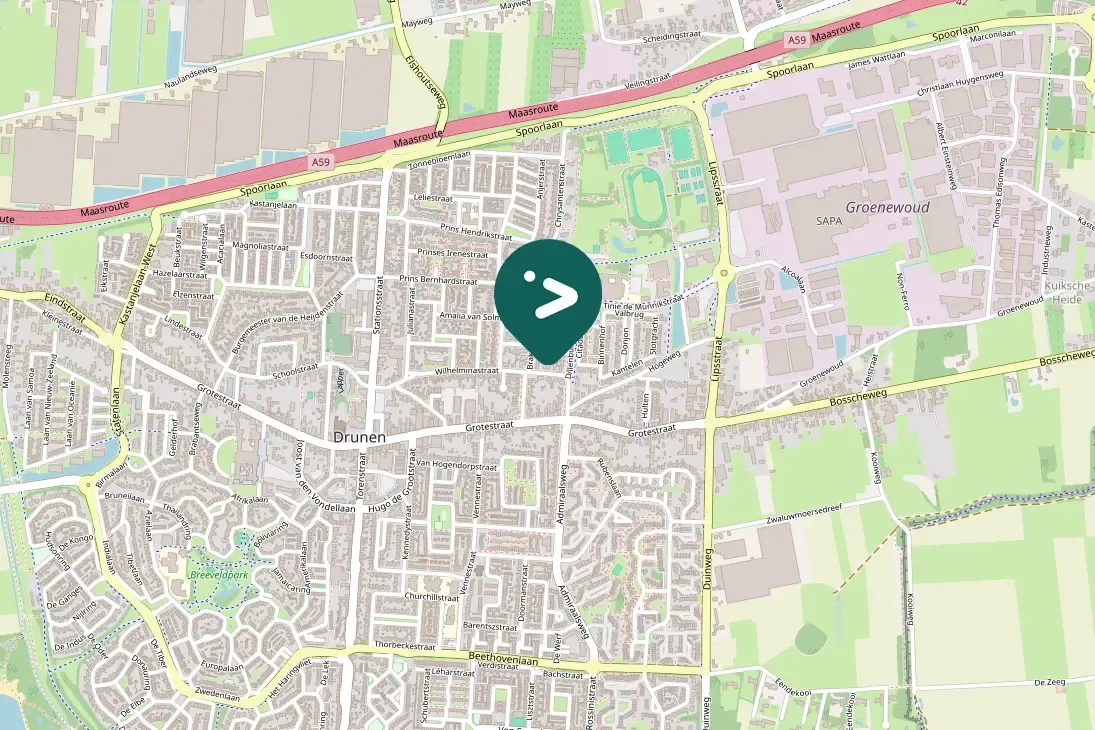
Nearly globally distributed, found on every continent except Antarctica. It inhabits various wetlands, marshes, rivers, lakes, and coastal areas, often near human habitation.
How to spot
Look for its hunched posture and striking black-and-white (or grey) plumage. Best observed at twilight or early morning as it begins or ends its foraging activity. Listen for its characteristic loud 'quark' call, especially when flying.
When to spot
Active mainly from dusk through the night until dawn. During the day, they roost quietly in trees or dense vegetation. Breeding season is typically spring and summer.
Where to spot
Nearly globally distributed, found on every continent except Antarctica. It inhabits various wetlands, marshes, rivers, lakes, and coastal areas, often near human habitation.
How to spot
Look for its hunched posture and striking black-and-white (or grey) plumage. Best observed at twilight or early morning as it begins or ends its foraging activity. Listen for its characteristic loud 'quark' call, especially when flying.
When to spot
Active mainly from dusk through the night until dawn. During the day, they roost quietly in trees or dense vegetation. Breeding season is typically spring and summer.


Credits:
Tim Sträter

Credits:
Ouwesok

Credits:
Ouwesok

Credits:
Ouwesok

Credits:
Ouwesok
Unlike most herons that are active during the day, the Black-crowned Night Heron primarily forages from dusk till dawn, using its excellent night vision to catch fish, amphibians, and invertebrates.
Loading...
Spotted
- Recently spotted
- 7 (Seen in the last 3 months)
- Last spotted
- 8 hours ago door Suzanneke
Monthly observations
29 observations
Loading...



jenny van Dorland
3 months ago
Black-crowned Night Heron
Zevenhuizen, Zuid-Holland
Also interesting


Share this page
Or share directly on
