Asian Short-toed Lark
Asian Short-toed Lark
100
-
Points:
100
Not yet spotted on Fladder
Spotted
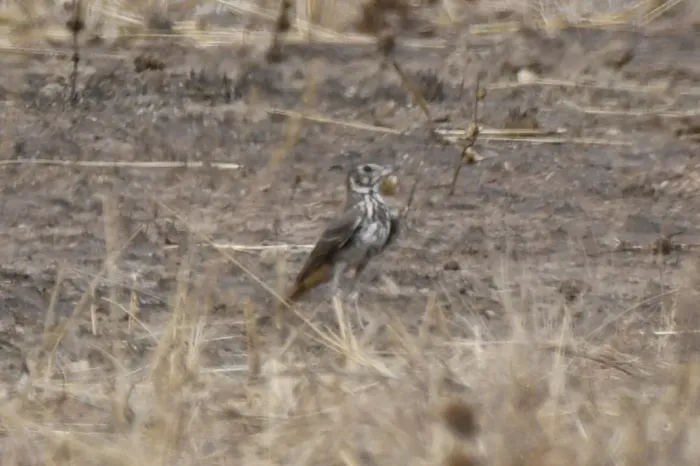
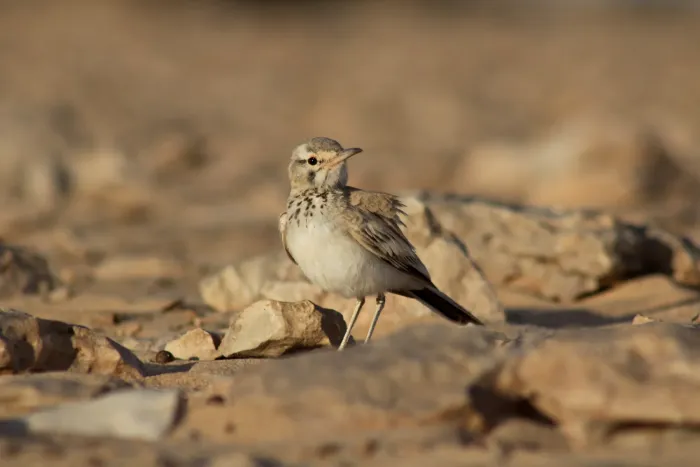
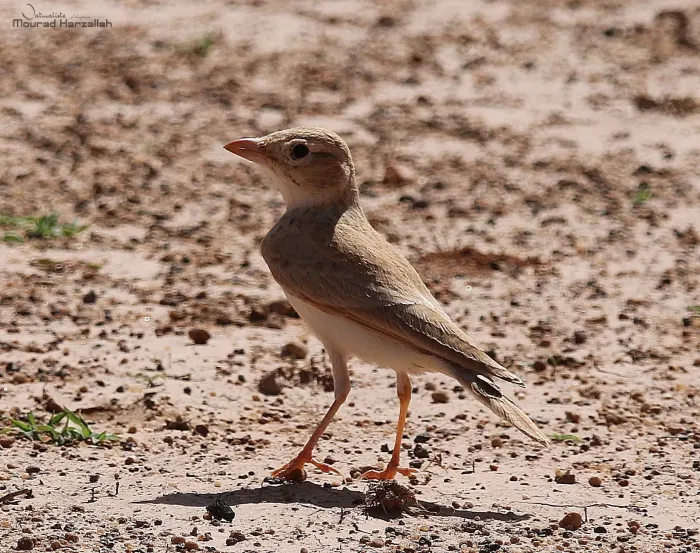
A small, streaky brown lark with paler underparts, highly adapted to open, grassy steppes and semi-desert environments. It has a relatively short bill and short toes.
Where to spot
Breeds in steppes and semi-deserts across Central Asia and Mongolia. Winters in parts of the Middle East, Indian subcontinent, and Southeast Asia.
How to spot
Often seen foraging on the ground in open habitats. Identification requires careful attention to plumage details and vocalizations, especially when distinguishing from other short-toed larks.
When to spot
Breeding season (spring/summer) in its northern range; winter (autumn/winter) in its southern range. Look for large migratory flocks during migration periods.
Where to spot
Breeds in steppes and semi-deserts across Central Asia and Mongolia. Winters in parts of the Middle East, Indian subcontinent, and Southeast Asia.
How to spot
Often seen foraging on the ground in open habitats. Identification requires careful attention to plumage details and vocalizations, especially when distinguishing from other short-toed larks.
When to spot
Breeding season (spring/summer) in its northern range; winter (autumn/winter) in its southern range. Look for large migratory flocks during migration periods.
The Asian Short-toed Lark is a highly migratory species, undertaking long journeys from its breeding grounds in Central Asia to wintering areas further south, often forming large flocks during migration.
Loading...
Spotted
No recently spotted birds
Monthly observations
No observations
Loading...
Nothing spotted yet
Also interesting




Share this page
Or share directly on
