

Where to spot
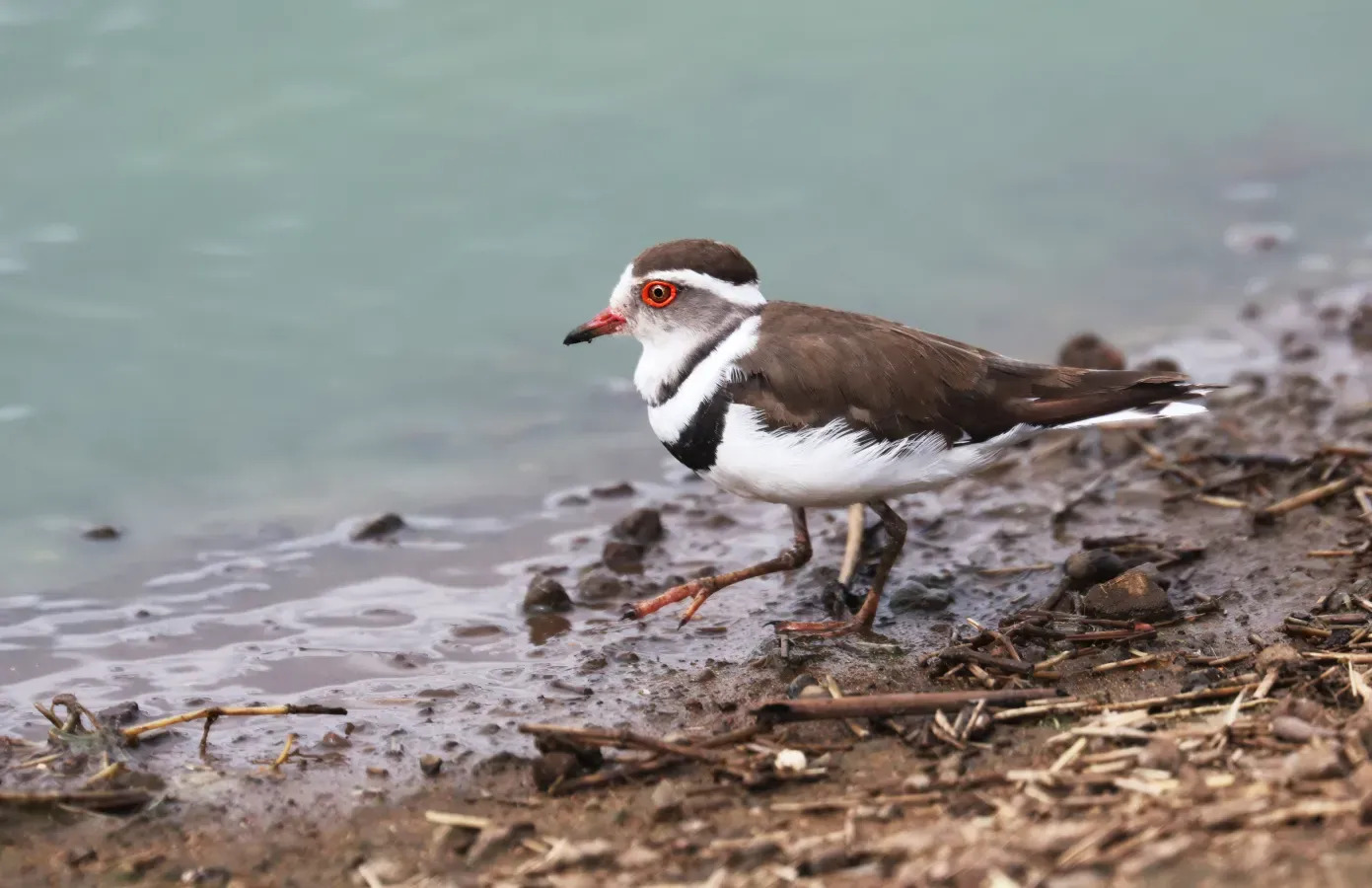
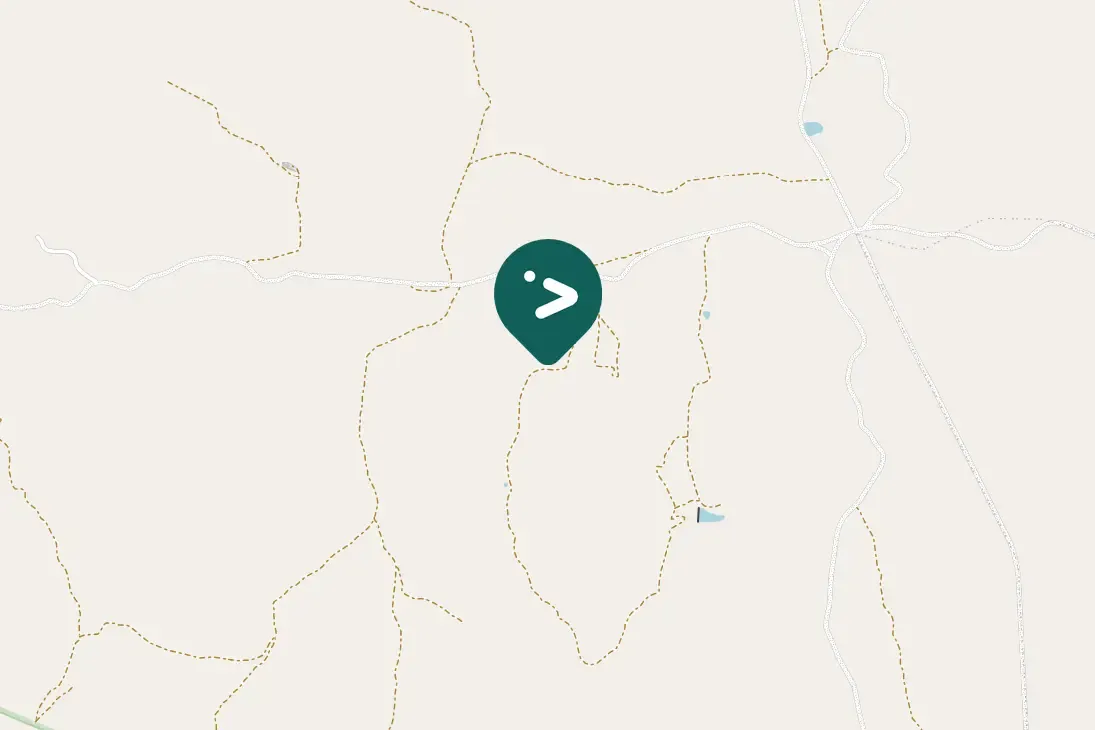
Widespread across sub-Saharan Africa and Madagascar, inhabiting the shores of freshwater and brackish wetlands, lakes, rivers, and even temporary pools.
How to spot
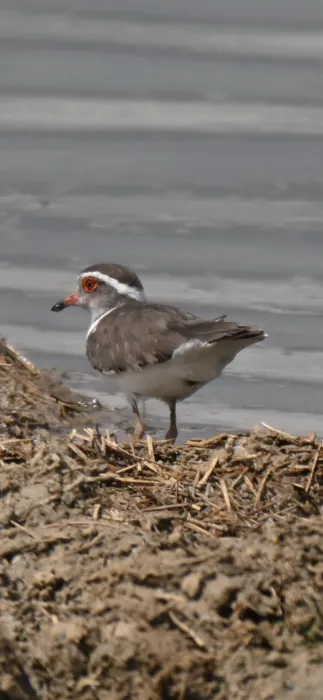
Look along the edges of any freshwater body or muddy area. Its distinctive 'pip-pip' call is often heard before it is seen. The two prominent breast bands are key identification marks.
When to spot
Can be observed year-round in its resident African range. Active during daylight hours, often seen foraging at the water's edge.
Where to spot
Widespread across sub-Saharan Africa and Madagascar, inhabiting the shores of freshwater and brackish wetlands, lakes, rivers, and even temporary pools.
How to spot
Look along the edges of any freshwater body or muddy area. Its distinctive 'pip-pip' call is often heard before it is seen. The two prominent breast bands are key identification marks.
When to spot
Can be observed year-round in its resident African range. Active during daylight hours, often seen foraging at the water's edge.


Credits:
Wikimedia Commons

Credits:
Wikimedia Commons

Credits:
Wikimedia Commons

Credits:
Wikimedia Commons

Credits:
Wikimedia Commons
Despite its name, it technically has one black band and one rufous-brown band below it, but the combination gives the impression of multiple bands, hence the common name.
Loading...
Spotted
- Recently spotted
- 2 (Seen in the last 3 months)
- Last spotted
- 1 month ago door Eryss
Monthly observations
4 observations
Loading...



Also interesting


Share this page
Or share directly on
