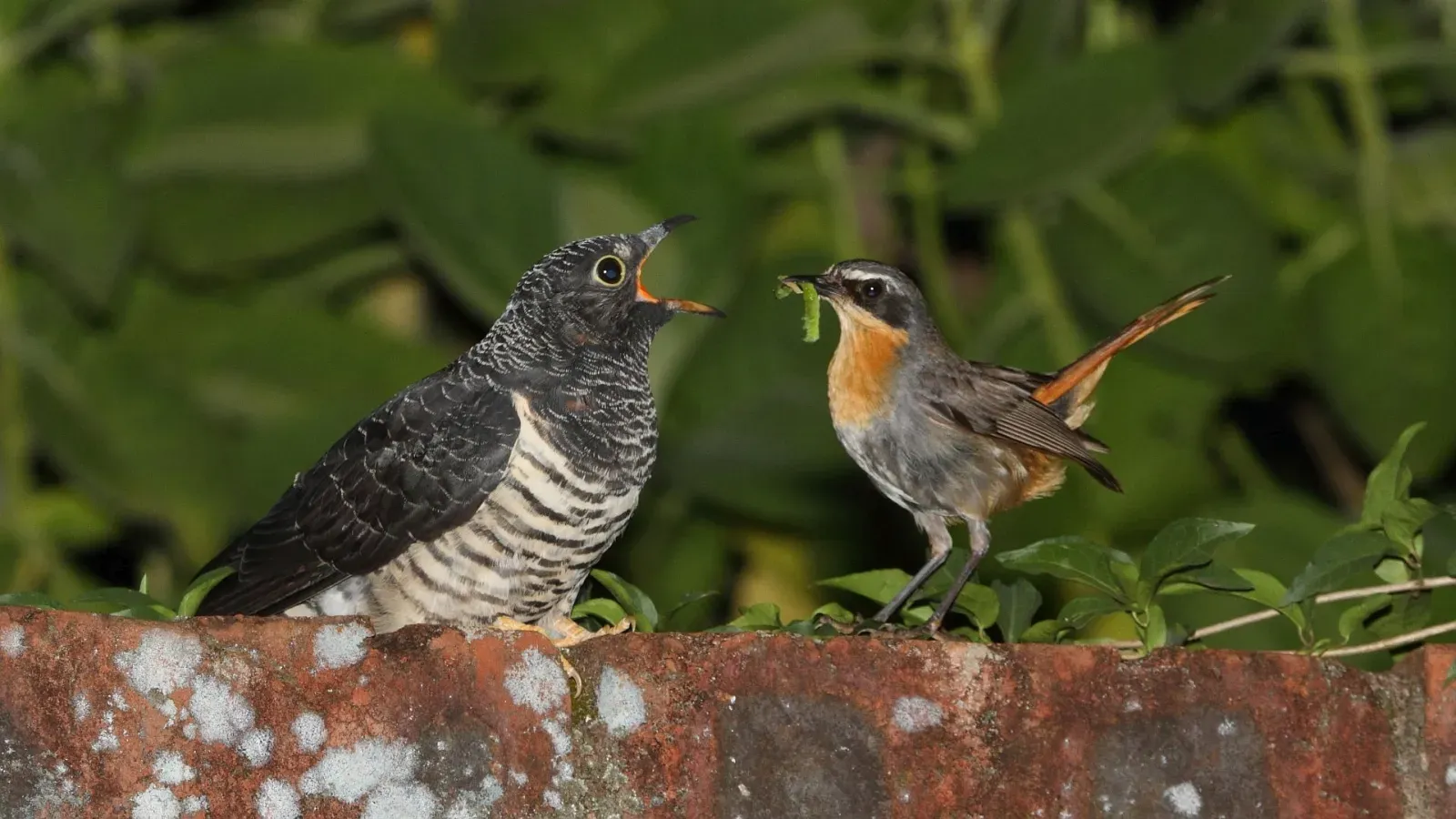
Red-chested Cuckoo
Red-chested Cuckoo
100
-
Points:
100
Not yet spotted on Fladder
Spotted
The Solitary Cuckoo (Cuculus solitarius) is a distinctive species found across sub-Saharan Africa, recognized by its mournful, three-note whistle. Like most Old World cuckoos, it is a brood parasite, relying on other birds to raise its young.
Where to spot
Widely distributed in sub-Saharan Africa, preferring well-wooded areas, riverine forests, plantations, and even large gardens.
How to spot
Primarily identified by its unique, plaintive call. Visually, it resembles the Red-chested Cuckoo but typically has a more uniform grey back and brighter, more extensive rufous underparts extending further down the belly. They are often shy and difficult to spot.
When to spot
Most vocal and observable during the breeding season, which varies regionally but generally coincides with the rainy seasons (e.g., October-March in Southern Africa, or year-round in tropical areas).
Where to spot
Widely distributed in sub-Saharan Africa, preferring well-wooded areas, riverine forests, plantations, and even large gardens.
How to spot
Primarily identified by its unique, plaintive call. Visually, it resembles the Red-chested Cuckoo but typically has a more uniform grey back and brighter, more extensive rufous underparts extending further down the belly. They are often shy and difficult to spot.
When to spot
Most vocal and observable during the breeding season, which varies regionally but generally coincides with the rainy seasons (e.g., October-March in Southern Africa, or year-round in tropical areas).


Credits:
Wikimedia Commons

Credits:
Wikimedia Commons

Credits:
Wikimedia Commons

Credits:
Wikimedia Commons

Credits:
Wikimedia Commons

Credits:
Wikimedia Commons

Credits:
Wikimedia Commons

Credits:
Wikimedia Commons

Credits:
Wikimedia Commons
Its poignant call, often described as 'I'm so sad' or 'it will rain', is one of the most evocative sounds of the African bush and is particularly active at dusk and dawn.
Loading...
Spotted
No recently spotted birds
Monthly observations
No observations
Loading...
Nothing spotted yet
Also interesting




Share this page
Or share directly on
