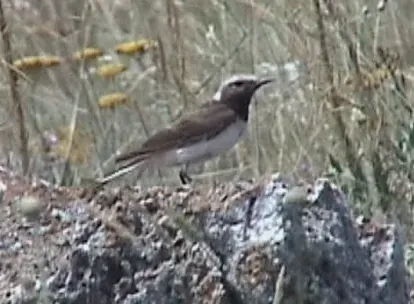
Pied Wheatear
Pied Wheatear
90
-
Points:
90
Not yet spotted on Fladder
Spotted
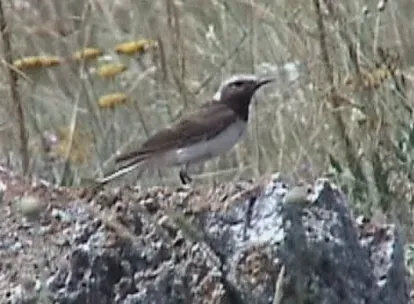
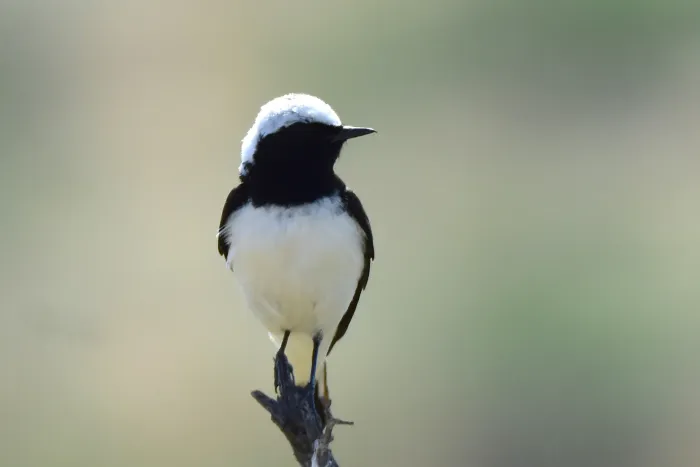
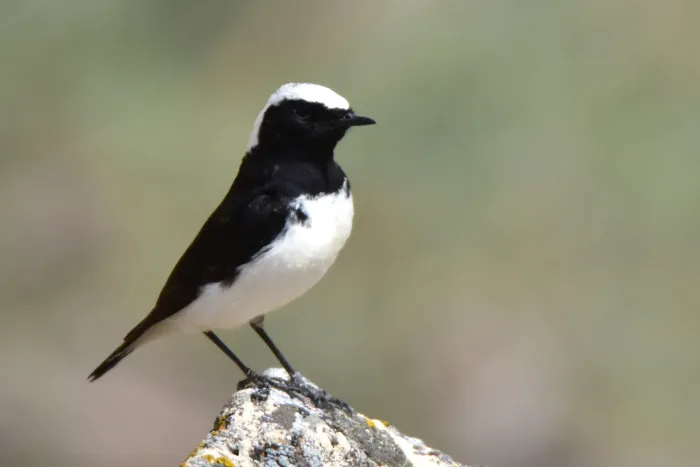
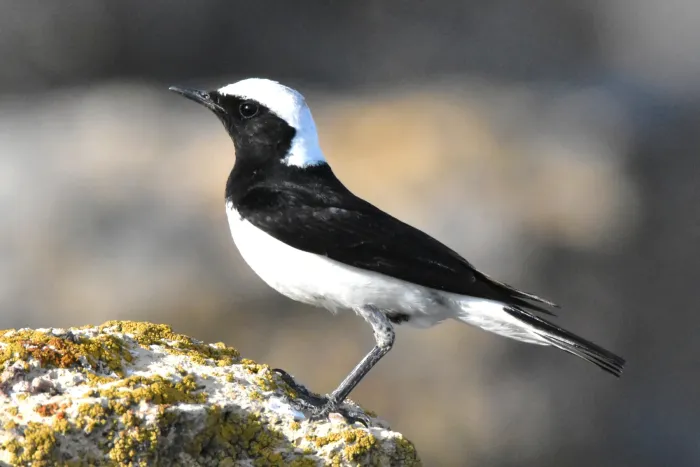
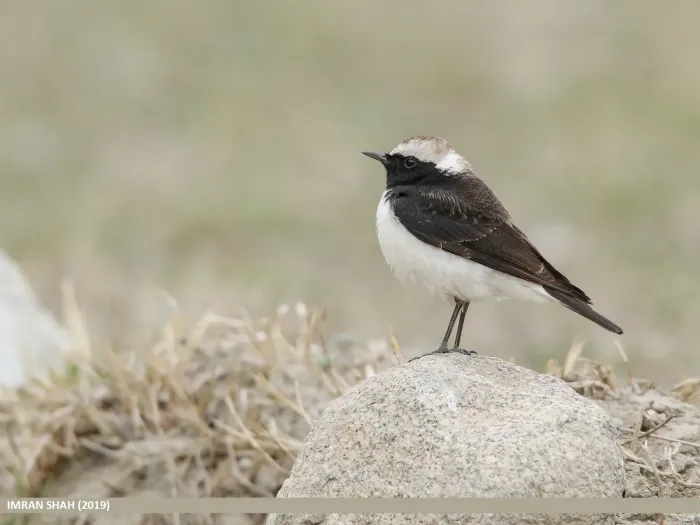
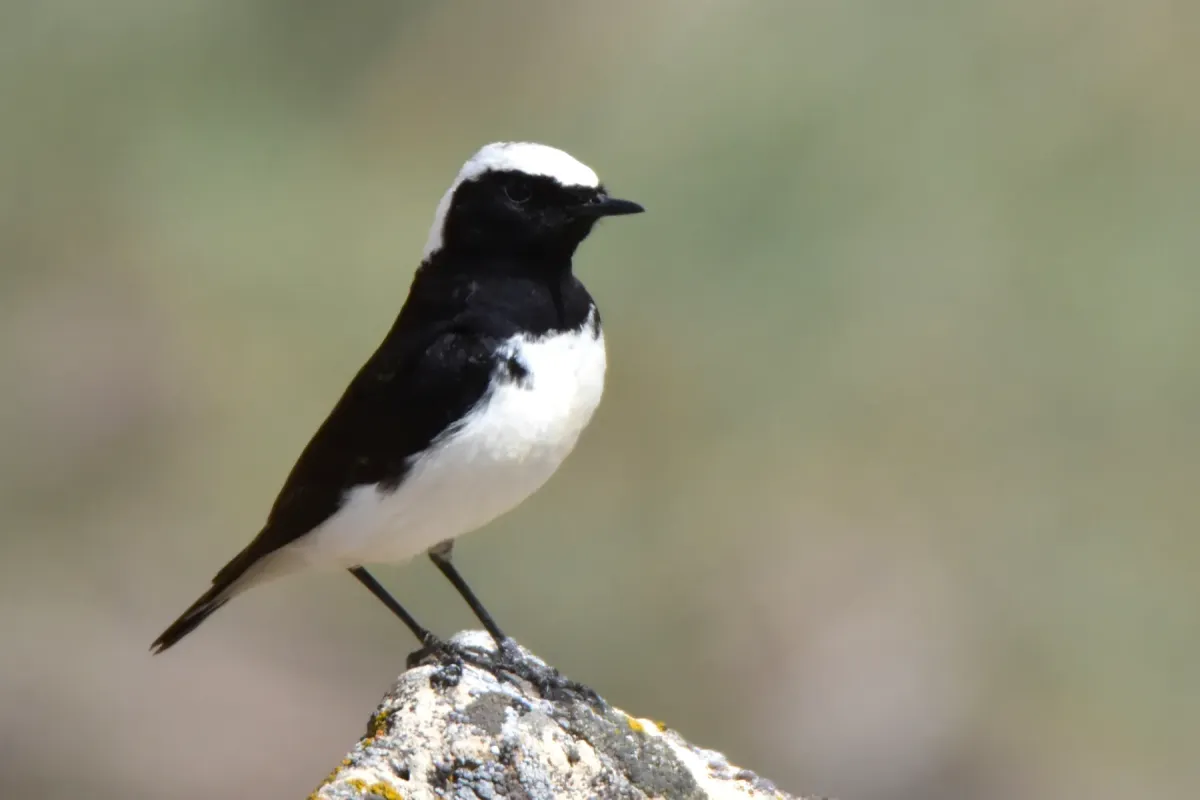
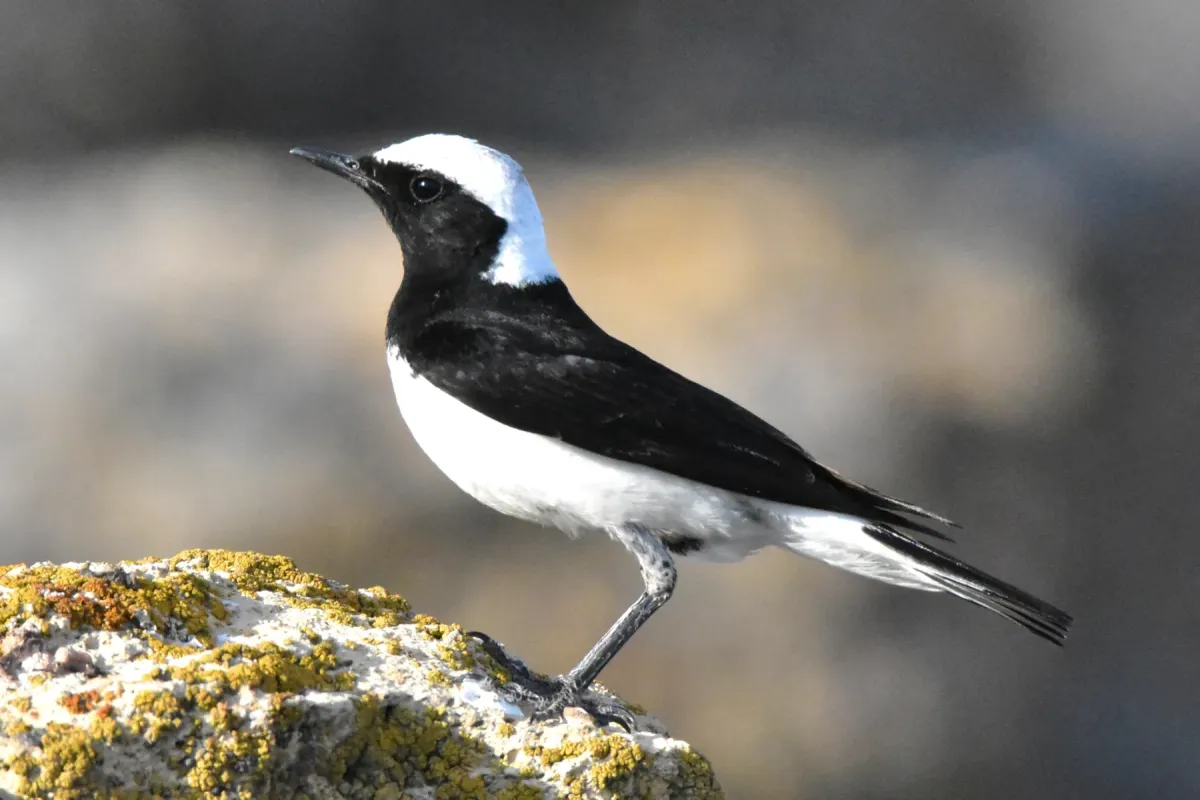
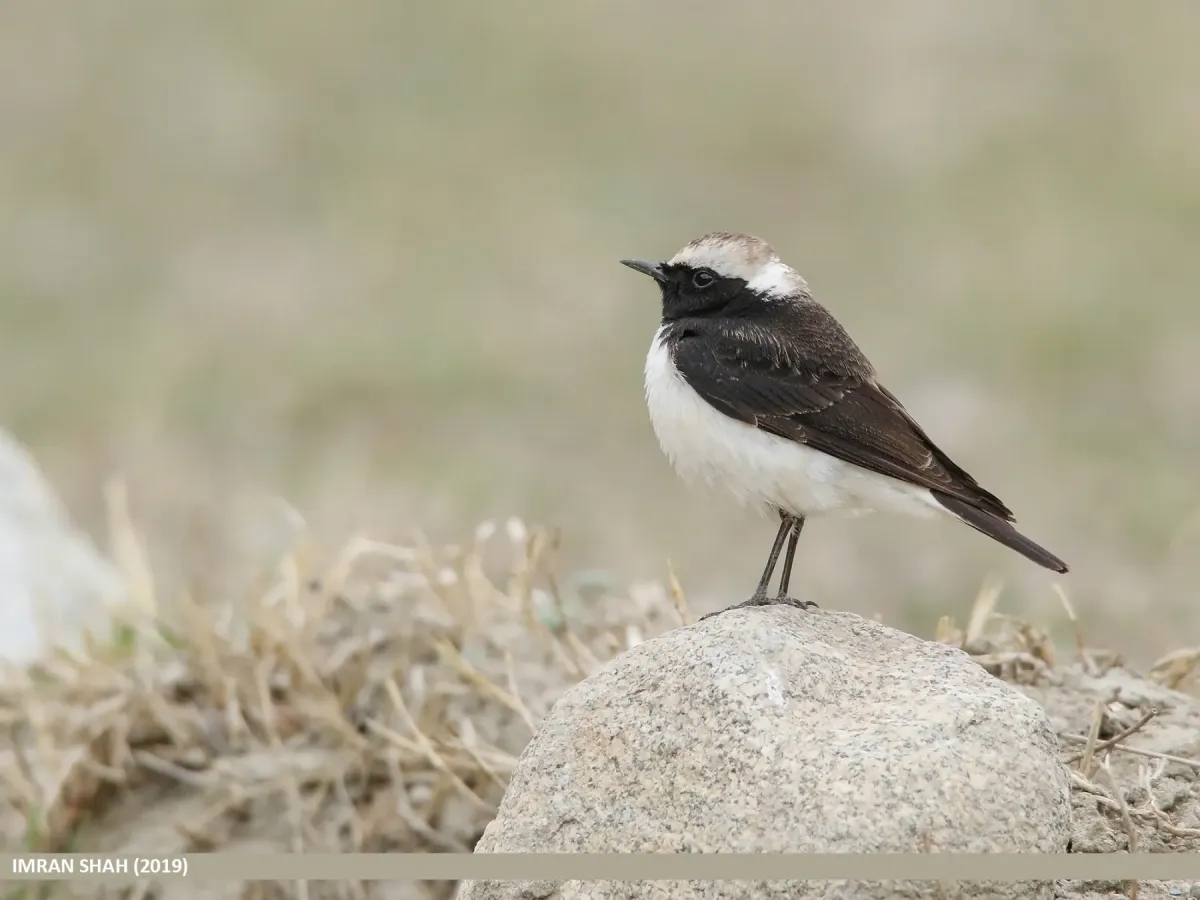
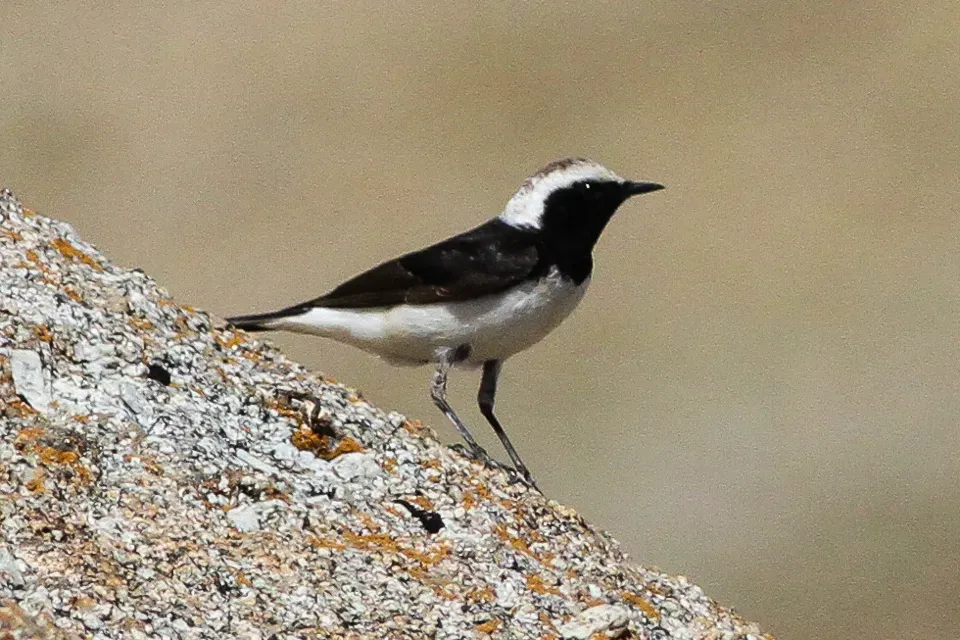
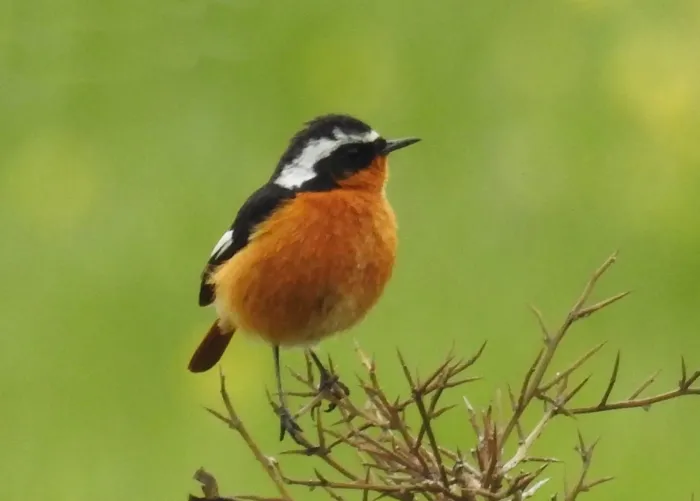
The Pied Wheatear is a striking migratory wheatear, with the male easily identified by its contrasting black and white plumage, resembling a small Magpie. It favors open, stony, and arid landscapes.
Where to spot
Breeds from Southeast Europe and Turkey eastward across Central Asia to Mongolia and China. Winters in Northeast Africa and the Arabian Peninsula. Found in dry steppes, semi-deserts, and rocky slopes.
How to spot
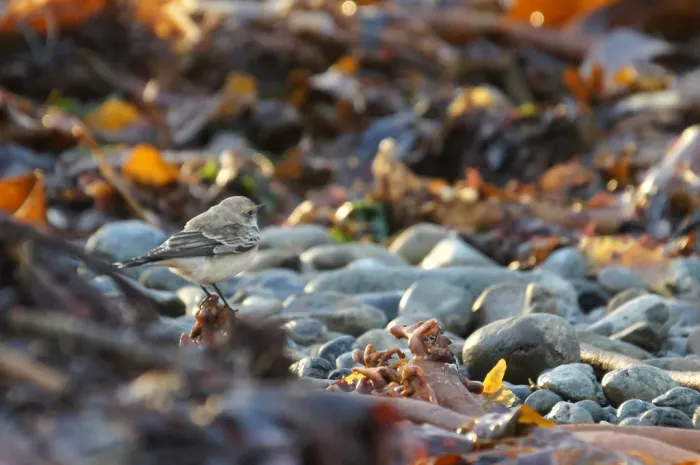
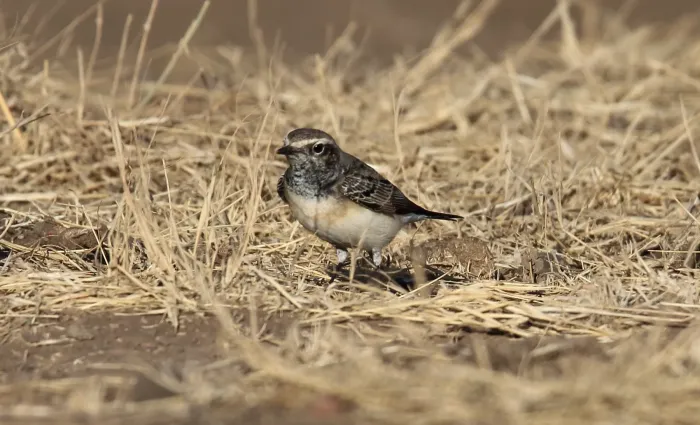
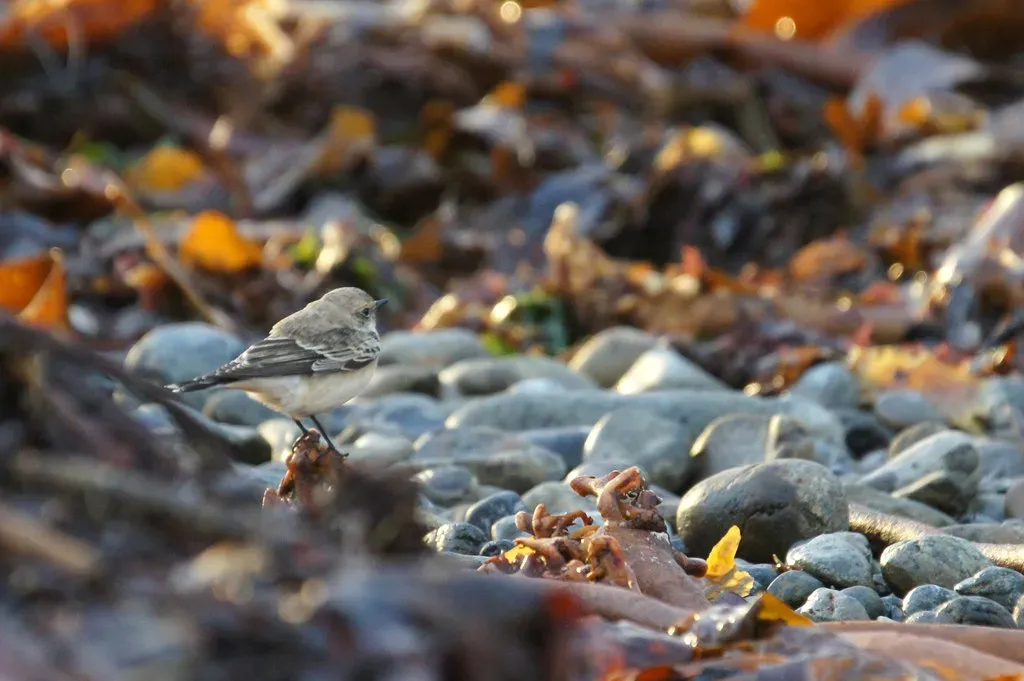
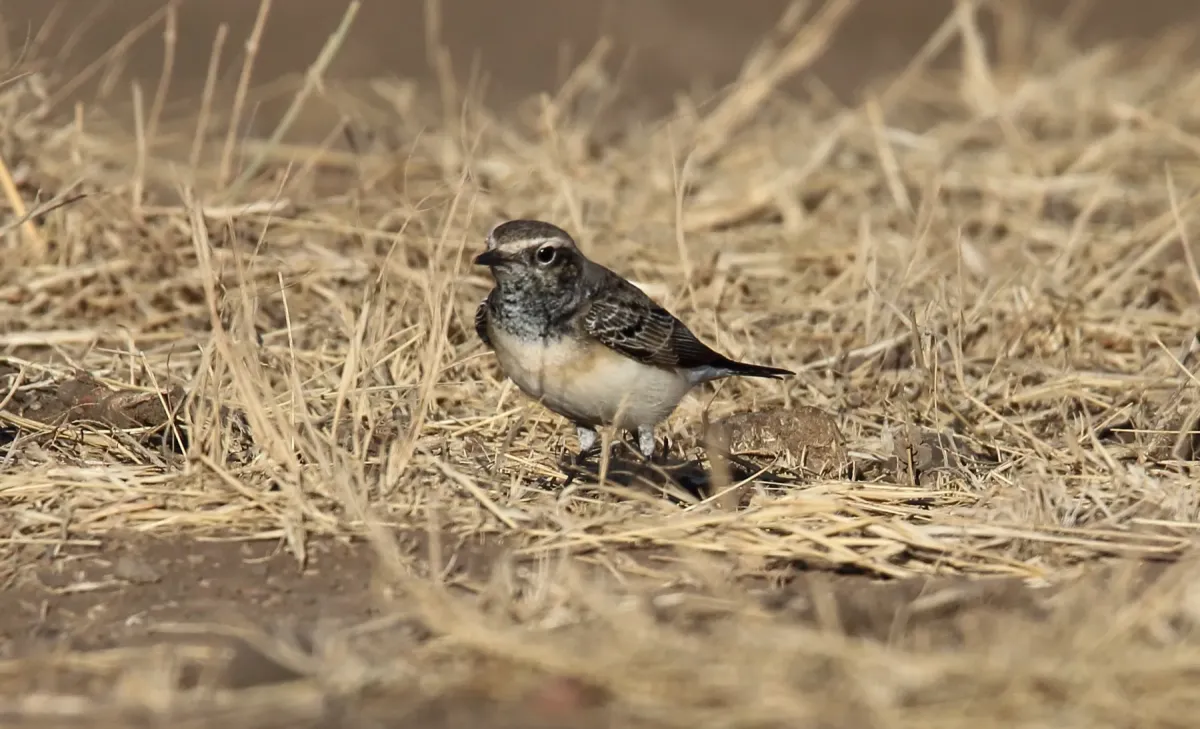
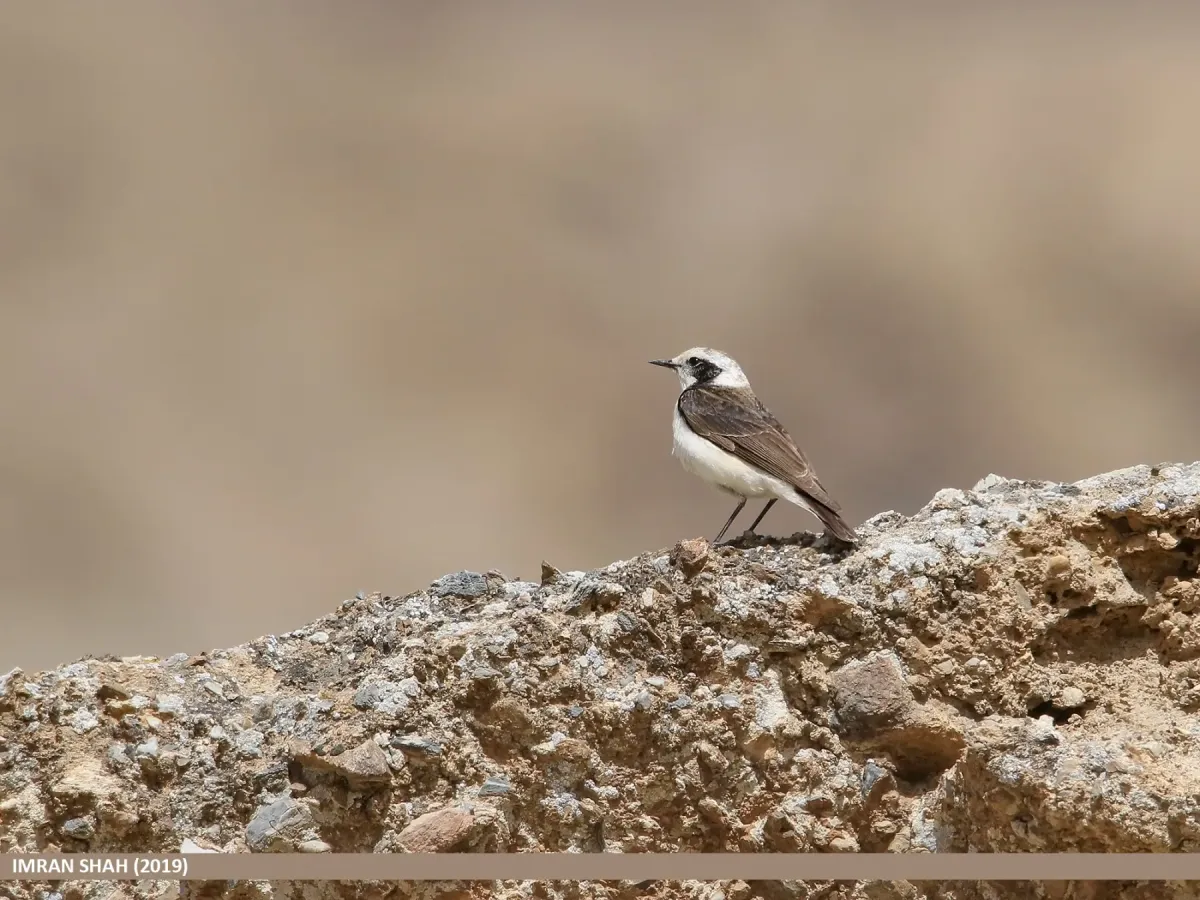
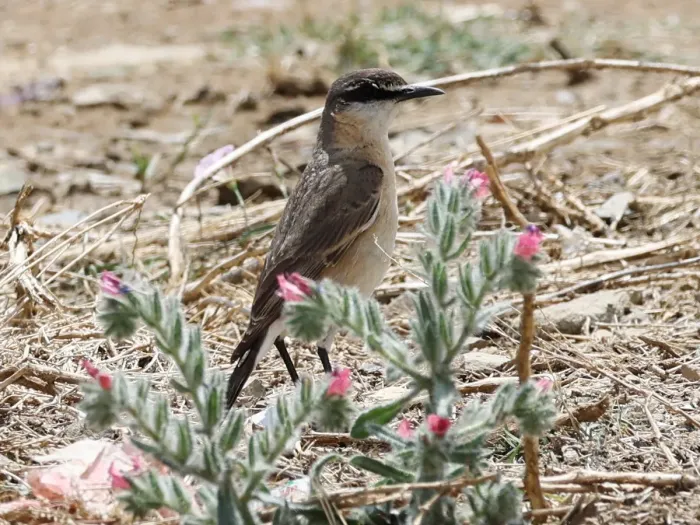
Look for it in open, rocky or stony areas. The male's black crown, back, wings, and contrasting white underparts and rump are key. Females are browner but still show a distinct dark tail. Listen for their distinctive calls.
When to spot
Best observed during the breeding season from April to July. Also seen during spring (March-April) and autumn (August-October) migration periods.
Where to spot
Breeds from Southeast Europe and Turkey eastward across Central Asia to Mongolia and China. Winters in Northeast Africa and the Arabian Peninsula. Found in dry steppes, semi-deserts, and rocky slopes.
How to spot
Look for it in open, rocky or stony areas. The male's black crown, back, wings, and contrasting white underparts and rump are key. Females are browner but still show a distinct dark tail. Listen for their distinctive calls.
When to spot
Best observed during the breeding season from April to July. Also seen during spring (March-April) and autumn (August-October) migration periods.

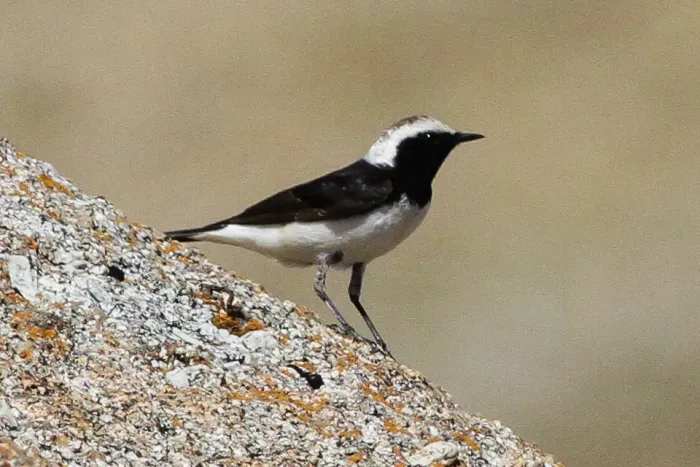
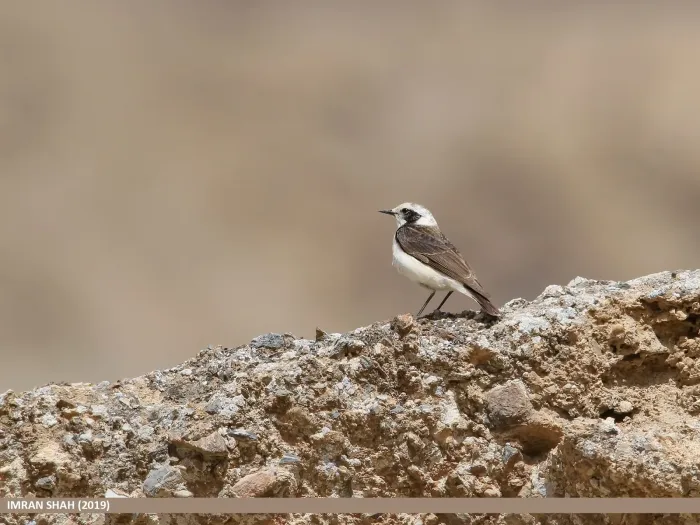

Credits:
By Kudaibergen Amirekul - https://www.inaturalist.org/photos/279373162, CC BY-SA 4.0, https://commons.wikimedia.org/w/index.php?curid=131968324
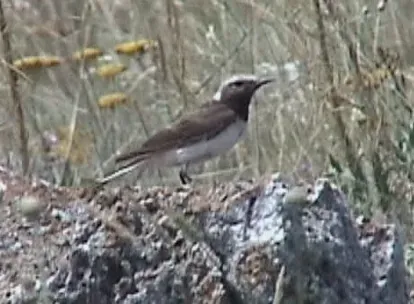
Credits:
Wikimedia Commons
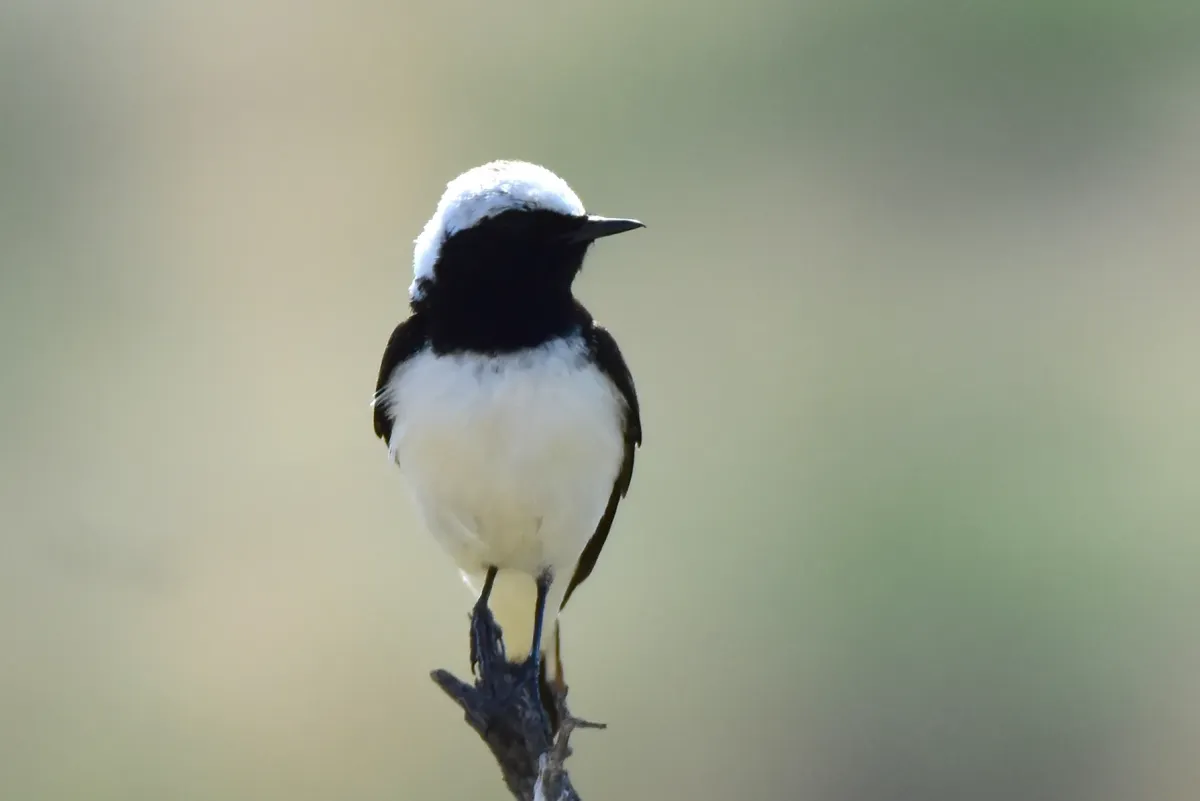
Credits:
Wikimedia Commons
Credits:
Wikimedia Commons
Credits:
Wikimedia Commons
Credits:
Wikimedia Commons
Credits:
Wikimedia Commons
Credits:
Wikimedia Commons
Credits:
Wikimedia Commons
Credits:
Wikimedia Commons
The Pied Wheatear's bold black and white pattern in males makes it one of the most distinctive wheatear species, though females and juveniles are much duller and harder to identify.
Loading...
Spotted
No recently spotted birds
Monthly observations
No observations
Loading...
Nothing spotted yet
Also interesting



Share this page
Or share directly on
