Northern Royal Albatross
Northern Royal Albatross
100
8 months ago
door
Stephan
Points:
100


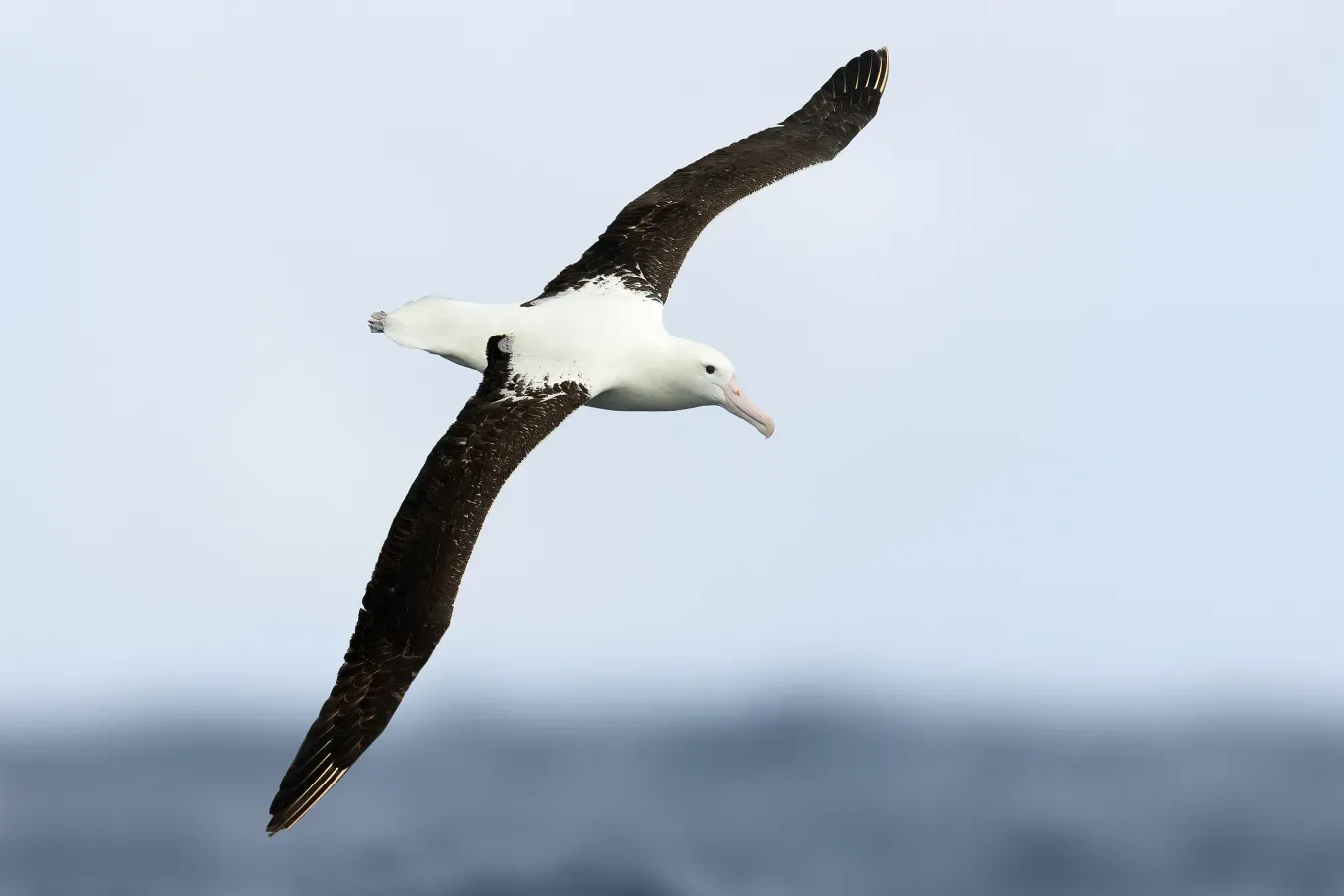
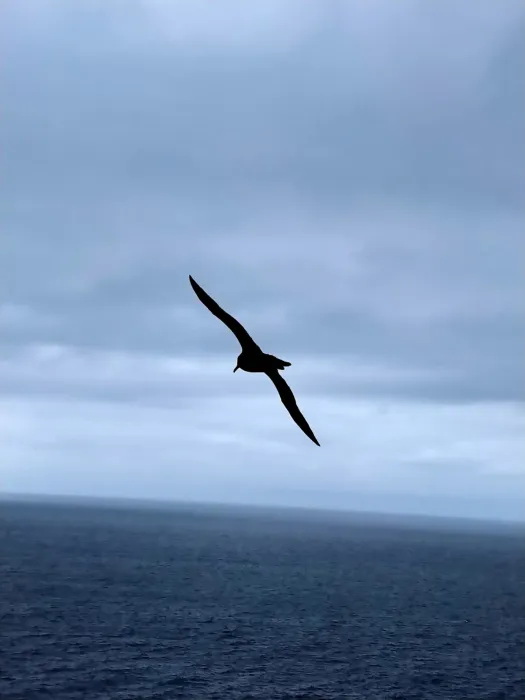
The Northern Royal Albatross is one of the largest flying birds in the world, renowned for its immense wingspan and graceful, effortless soaring over the open ocean. It is predominantly white with black wingtips. This magnificent seabird spends most of its life at sea, returning to a single island to breed.
Where to spot
Breeds almost exclusively on Te Rapa (Taiaroa Head) at the Otago Peninsula, New Zealand, with a smaller colony on Chatham Islands. Ranges widely over the Pacific Ocean, especially in cooler waters.
How to spot
Look for its immense size, mostly white body, and dark leading edge on its upperwing, with black wingtips. Observe its majestic, long-winged soaring flight. At Taiaroa Head, there are dedicated viewing facilities. Out at sea, look for it gliding effortlessly over the waves.
When to spot
Year-round resident. Breeding season extends from September to December for egg-laying, with chicks fledging around September of the following year. Best observed during daylight hours at the breeding colony or during pelagic trips in the South Pacific.
Where to spot
Breeds almost exclusively on Te Rapa (Taiaroa Head) at the Otago Peninsula, New Zealand, with a smaller colony on Chatham Islands. Ranges widely over the Pacific Ocean, especially in cooler waters.
How to spot
Look for its immense size, mostly white body, and dark leading edge on its upperwing, with black wingtips. Observe its majestic, long-winged soaring flight. At Taiaroa Head, there are dedicated viewing facilities. Out at sea, look for it gliding effortlessly over the waves.
When to spot
Year-round resident. Breeding season extends from September to December for egg-laying, with chicks fledging around September of the following year. Best observed during daylight hours at the breeding colony or during pelagic trips in the South Pacific.


Credits:
Wikimedia Commons

Credits:
Wikimedia Commons

Credits:
Wikimedia Commons
The Northern Royal Albatross has an exceptionally long breeding cycle, often taking over a year, which means pairs typically only breed every two years.



Also interesting




Share this page
Or share directly on
