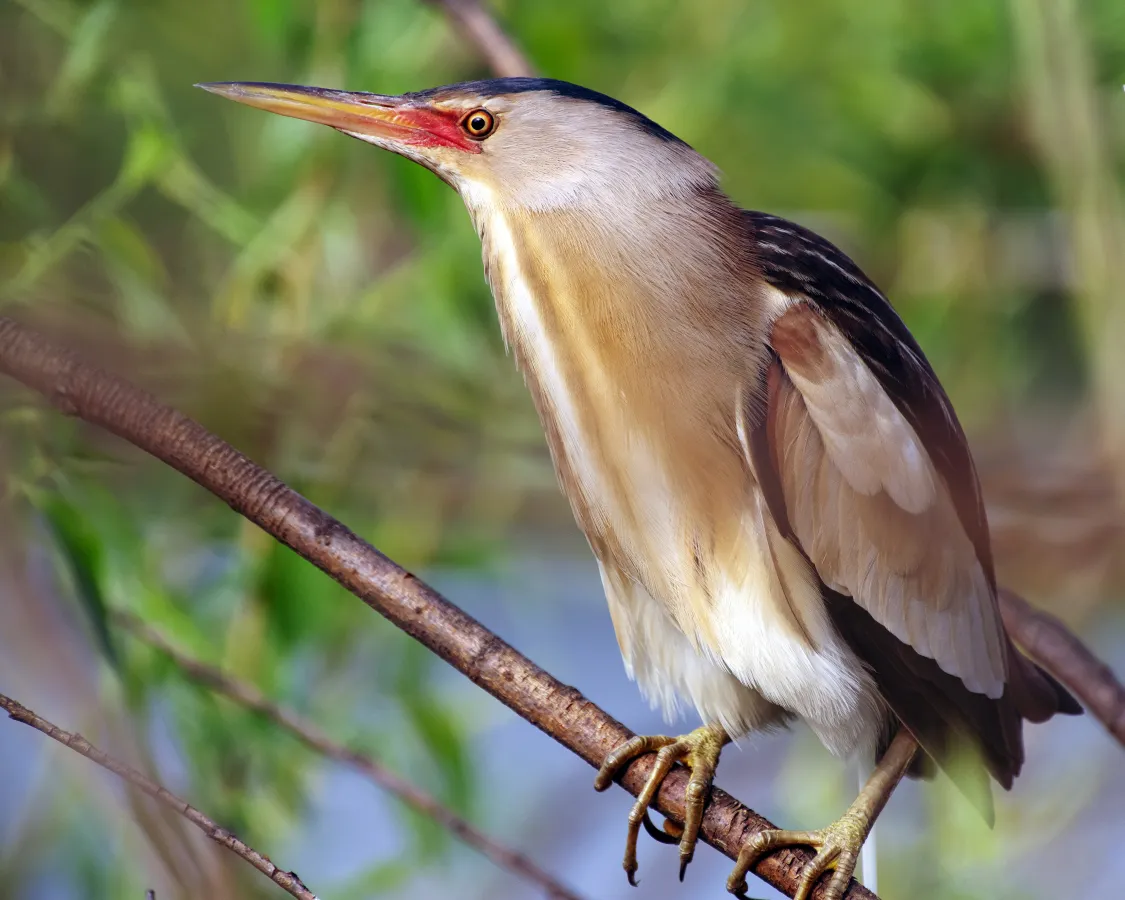
Little Bittern
Little Bittern
80
3 weeks ago
door
Esther Esser
Points:
80
E
M

H
+5



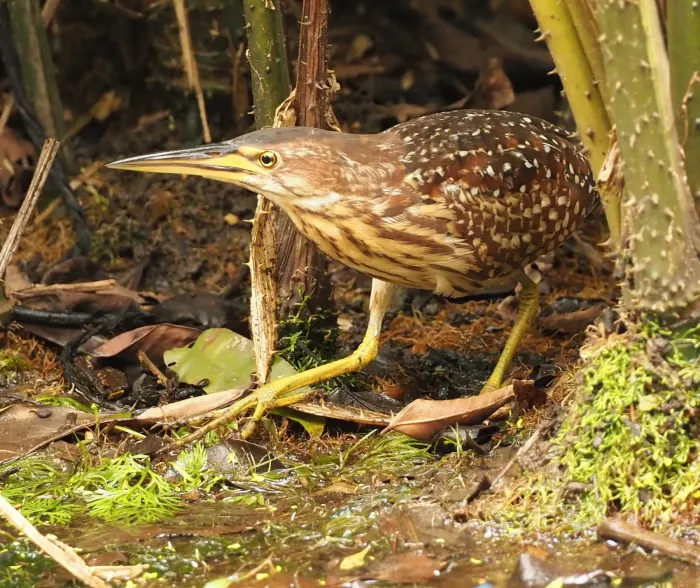
The Little Bittern is a very small, shy heron exhibiting striking sexual dimorphism in its plumage. It inhabits dense vegetation along the edges of freshwater bodies, often going unnoticed.
Where to spot
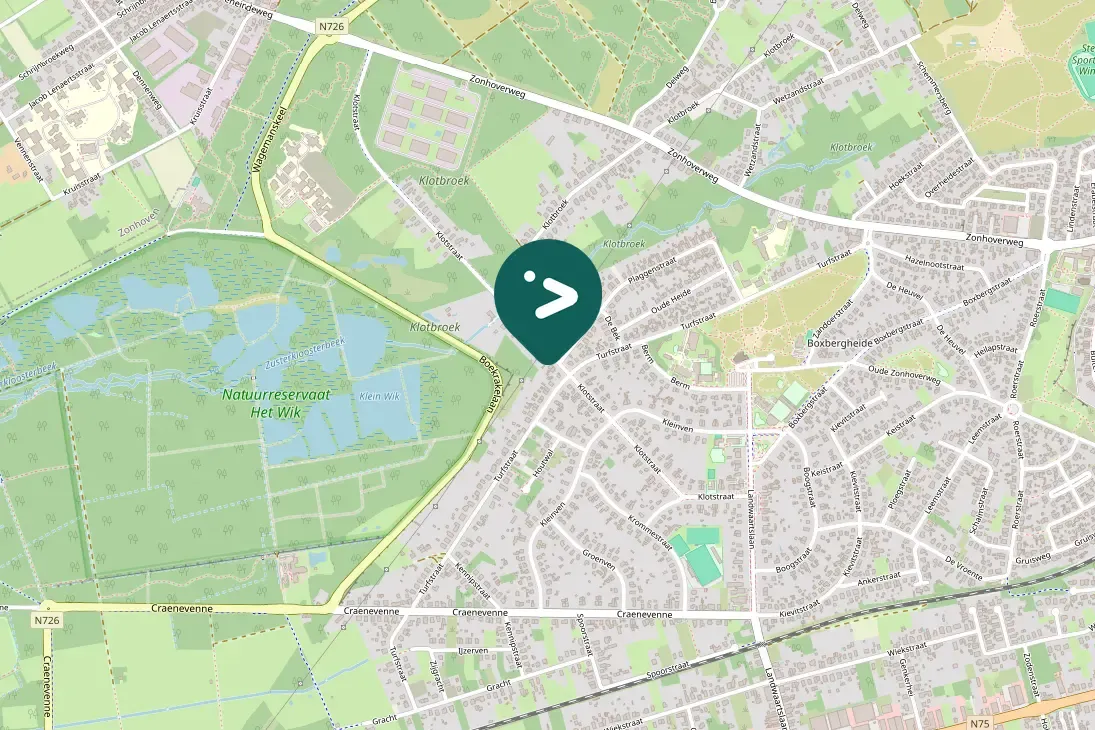
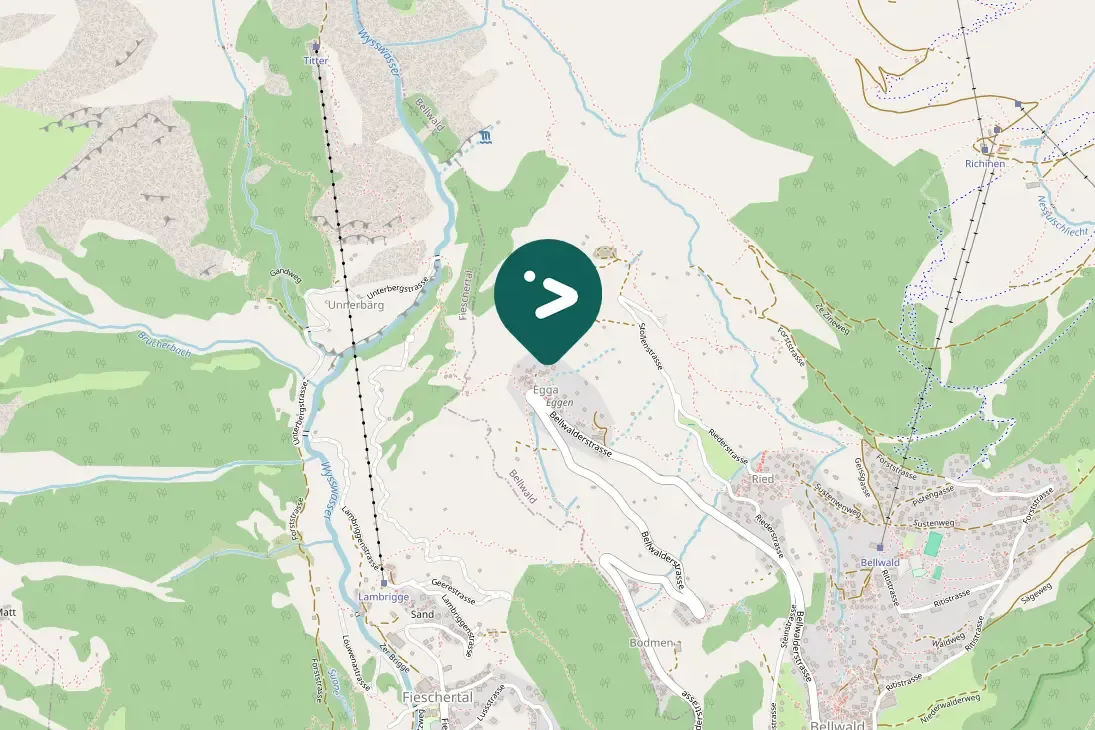
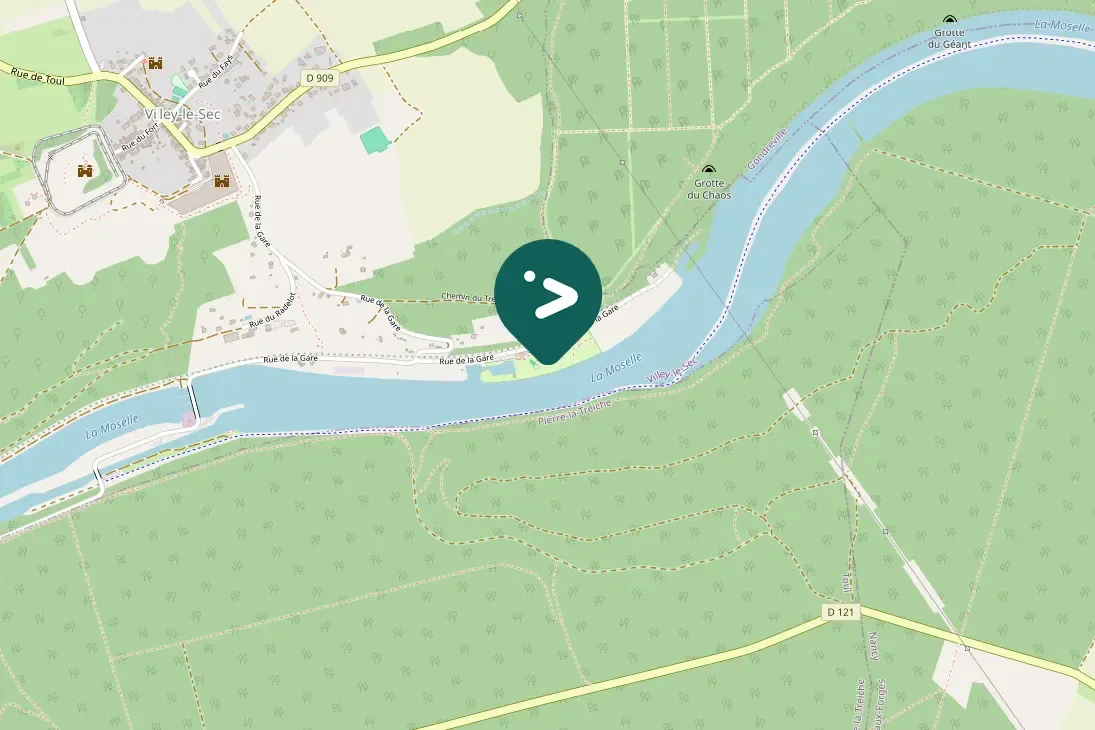
Widespread across Europe, Asia, Africa, and Australia, preferring well-vegetated freshwater wetlands, reedbeds, and marshes with shallow water.
How to spot
Look for its small size and cryptic behavior among reeds. Males have black backs and crowns, while females are more uniformly brown. Be patient and scan vegetated water edges. Listen for its soft, repetitive cooing call.
When to spot
Generally migratory, arriving in temperate regions for breeding in spring and departing in autumn. Resident in tropical parts of its range. Most active at dawn and dusk.
Where to spot
Widespread across Europe, Asia, Africa, and Australia, preferring well-vegetated freshwater wetlands, reedbeds, and marshes with shallow water.
How to spot
Look for its small size and cryptic behavior among reeds. Males have black backs and crowns, while females are more uniformly brown. Be patient and scan vegetated water edges. Listen for its soft, repetitive cooing call.
When to spot
Generally migratory, arriving in temperate regions for breeding in spring and departing in autumn. Resident in tropical parts of its range. Most active at dawn and dusk.


Credits:
merijnloeve

Credits:
By Ігор Червоненко - Own work, CC BY-SA 4.0, https://commons.wikimedia.org/w/index.php?curid=92543826
When threatened, the Little Bittern employs a remarkable camouflage strategy: it freezes motionless, pointing its bill straight up to the sky and swaying gently to mimic the reeds, making it incredibly difficult to spot.
Loading...
Spotted
- Recently spotted
- 6 (Seen in the last 3 months)
- Last spotted
- 3 weeks ago door Esther Esser
- Favorite of

Monthly observations
15 observations
Loading...





Also interesting






Share this page
Or share directly on
