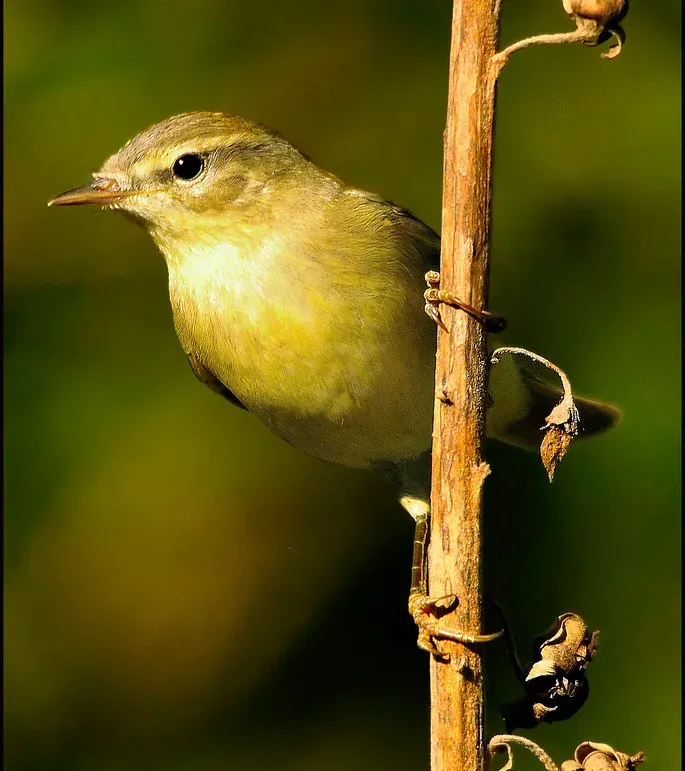
Iberian Chiffchaff
Iberian Chiffchaff
75
2 weeks ago
door
Timo Sedlmayr
Points:
75
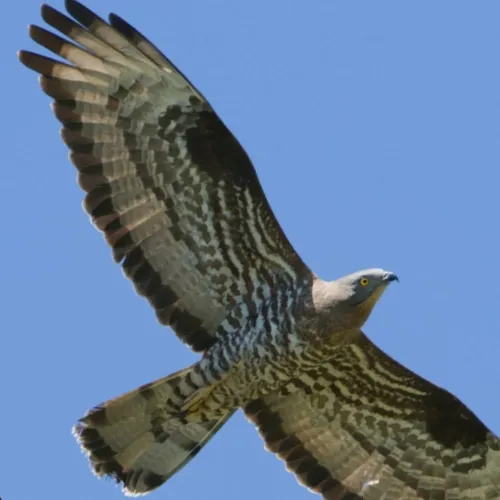

A close relative of the Common Chiffchaff, the Iberian Chiffchaff is primarily distinguished by its unique, more melodic song. It is endemic to the Iberian Peninsula and parts of North Africa.
Where to spot
Primarily found in the Iberian Peninsula (Spain and Portugal) and some areas of North Africa, favoring deciduous and mixed woodlands, scrub, and riparian vegetation. Winters in West Africa.
How to spot
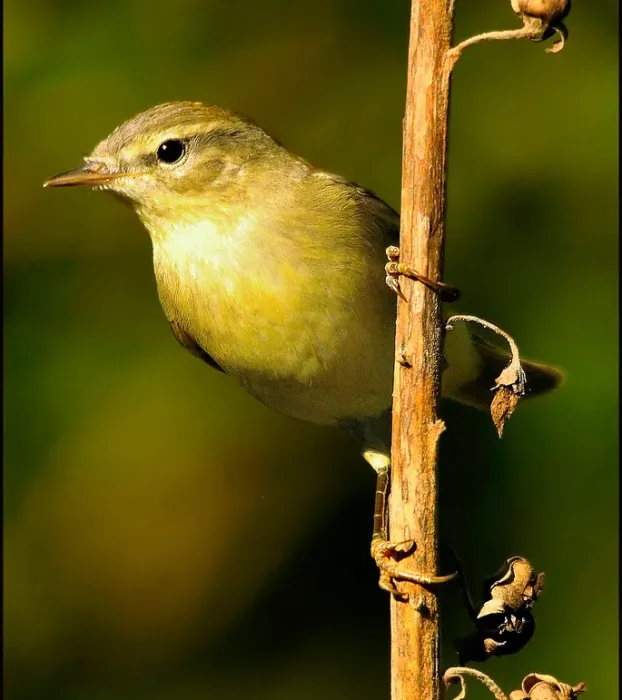
The most reliable identification method is its song, a rapid, descending series of notes. Visually, it can appear slightly brighter with yellowish-green tints and often paler legs compared to the Common Chiffchaff, but structural differences are subtle.
When to spot
Best observed during the breeding season from late March to July when males are singing actively. Migration periods occur in spring (March-April) and autumn (August-September).
Where to spot
Primarily found in the Iberian Peninsula (Spain and Portugal) and some areas of North Africa, favoring deciduous and mixed woodlands, scrub, and riparian vegetation. Winters in West Africa.
How to spot
The most reliable identification method is its song, a rapid, descending series of notes. Visually, it can appear slightly brighter with yellowish-green tints and often paler legs compared to the Common Chiffchaff, but structural differences are subtle.
When to spot
Best observed during the breeding season from late March to July when males are singing actively. Migration periods occur in spring (March-April) and autumn (August-September).


Credits:
Door Rodrigo Saldanha de Almeida - https://www.flickr.com/photos/32639361@N02/5055224259/, CC BY 2.0, https://commons.wikimedia.org/w/index.php?curid=17425358
Credits:
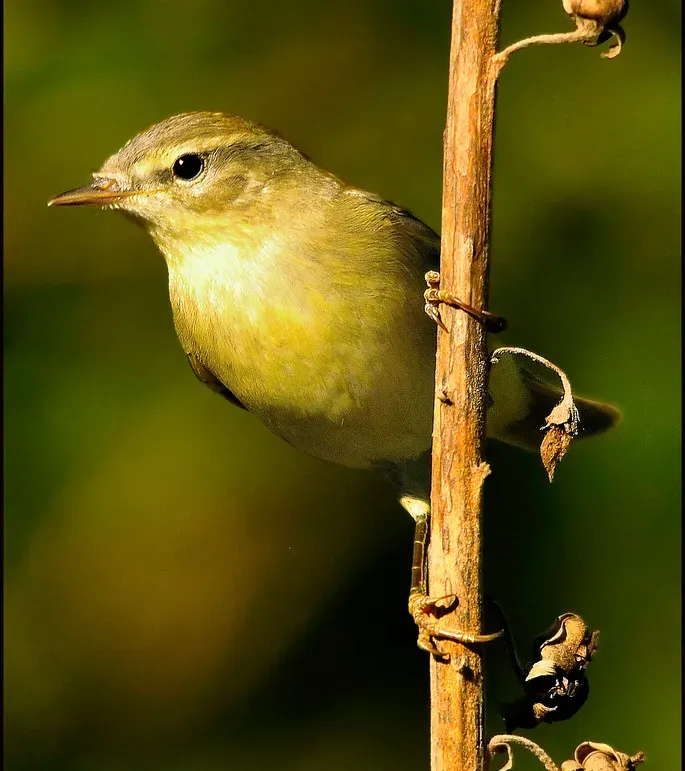
Wikimedia Commons
Despite its visual similarity to the Common Chiffchaff, the Iberian Chiffchaff possesses a distinctly different, more melodic and descending song, which is the most reliable way to identify it in the field.
Loading...
Spotted
- Recently spotted
- 33 (Seen in the last 3 months)
- Last spotted
- 2 weeks ago door Timo Sedlmayr
Monthly observations
38 observations
Loading...



Also interesting




Share this page
Or share directly on
