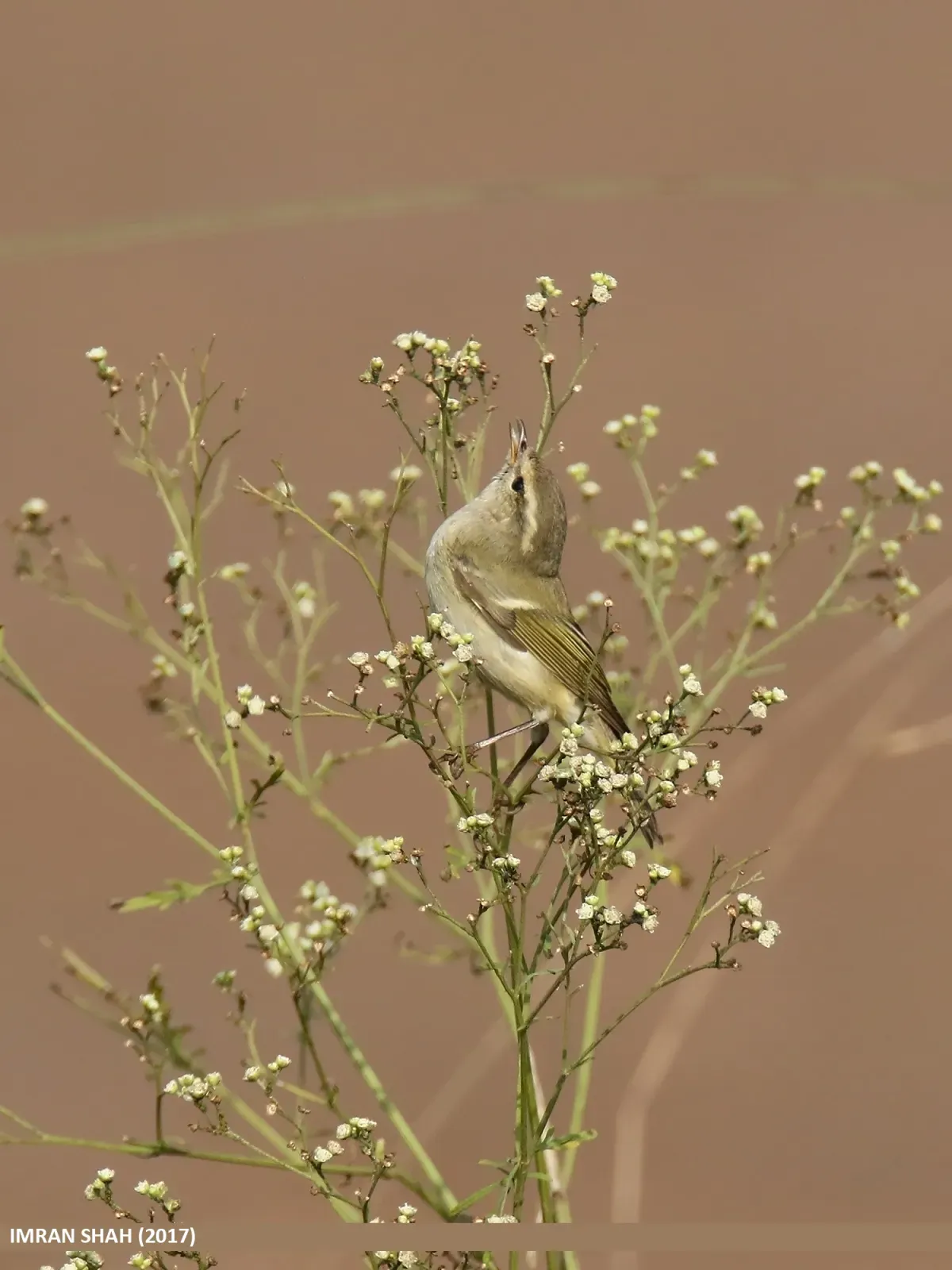


Where to spot
Breeds in the mountains and forests of Central Asia, from the Himalayas to Siberia. Winters in parts of South Asia and Southeast Asia. Can occur as a vagrant in Europe.
How to spot
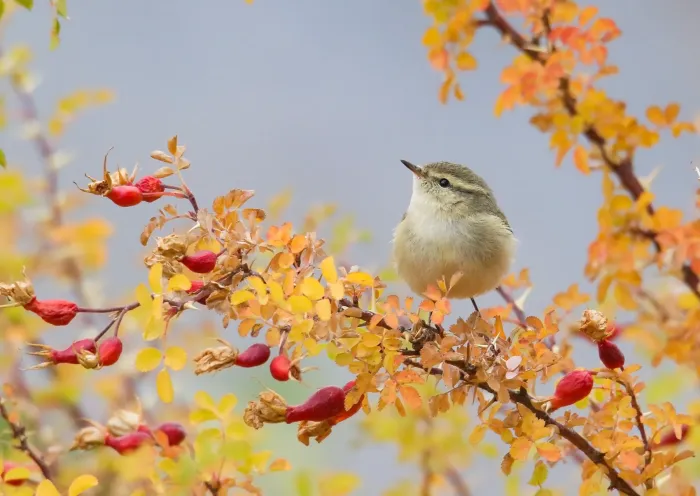
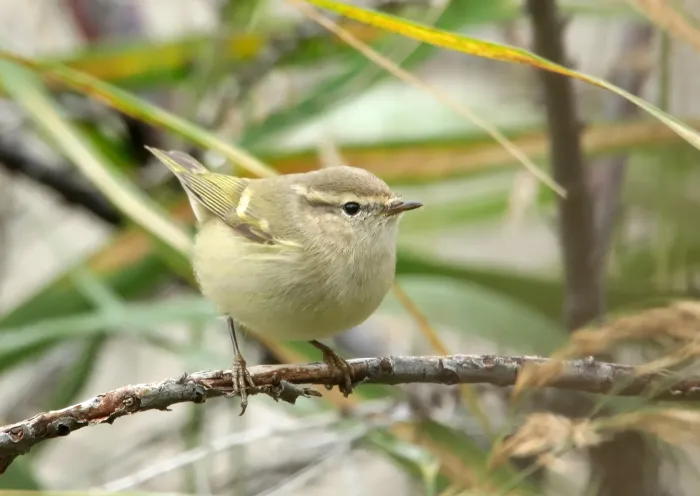
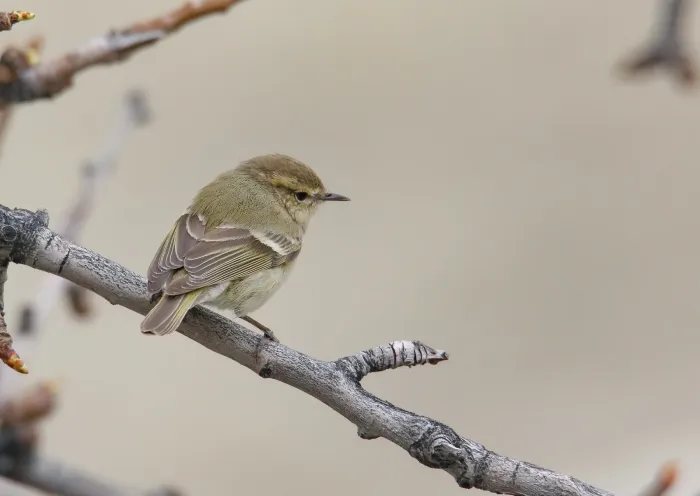
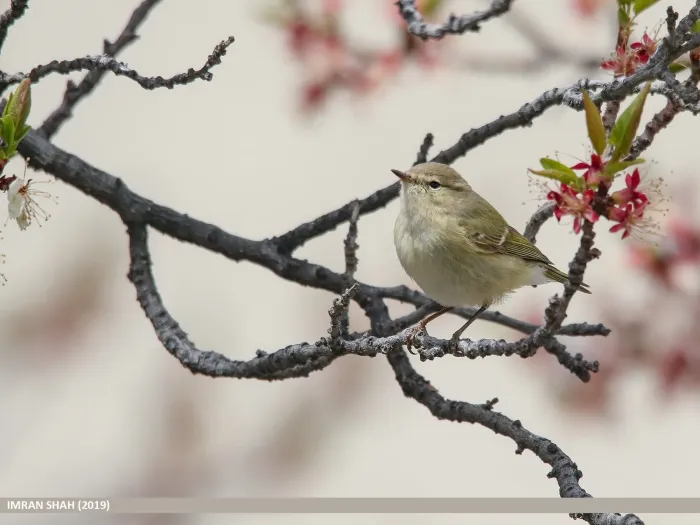
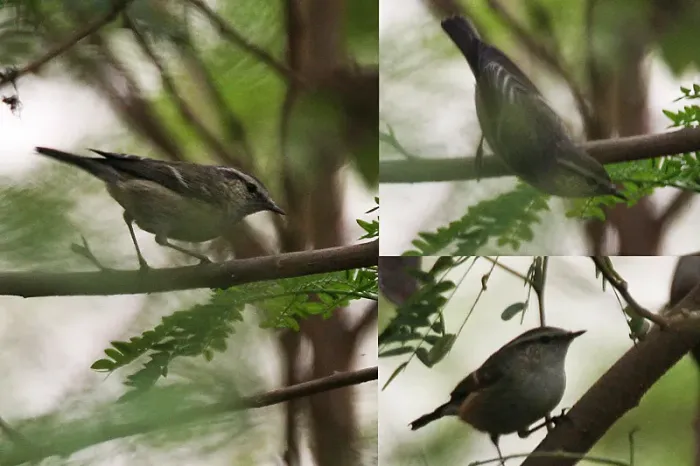
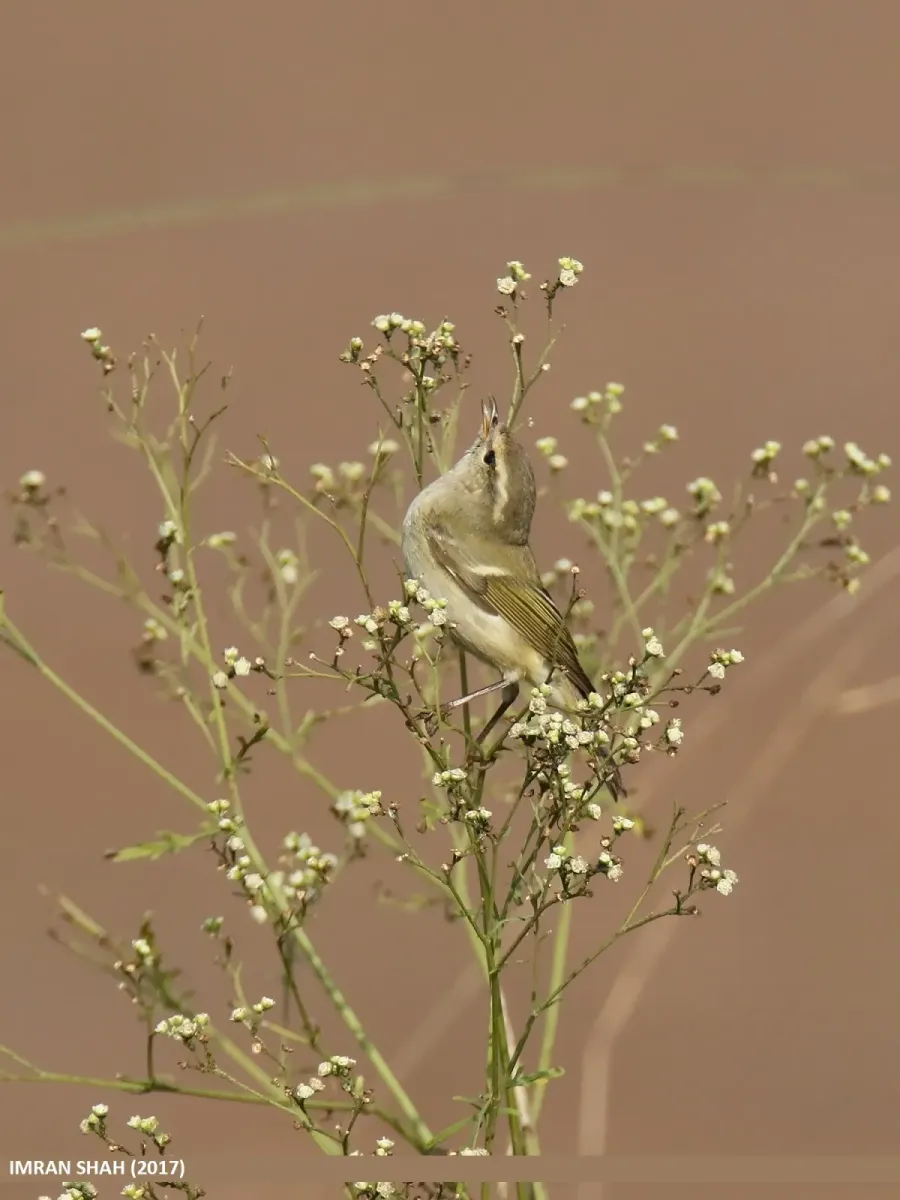
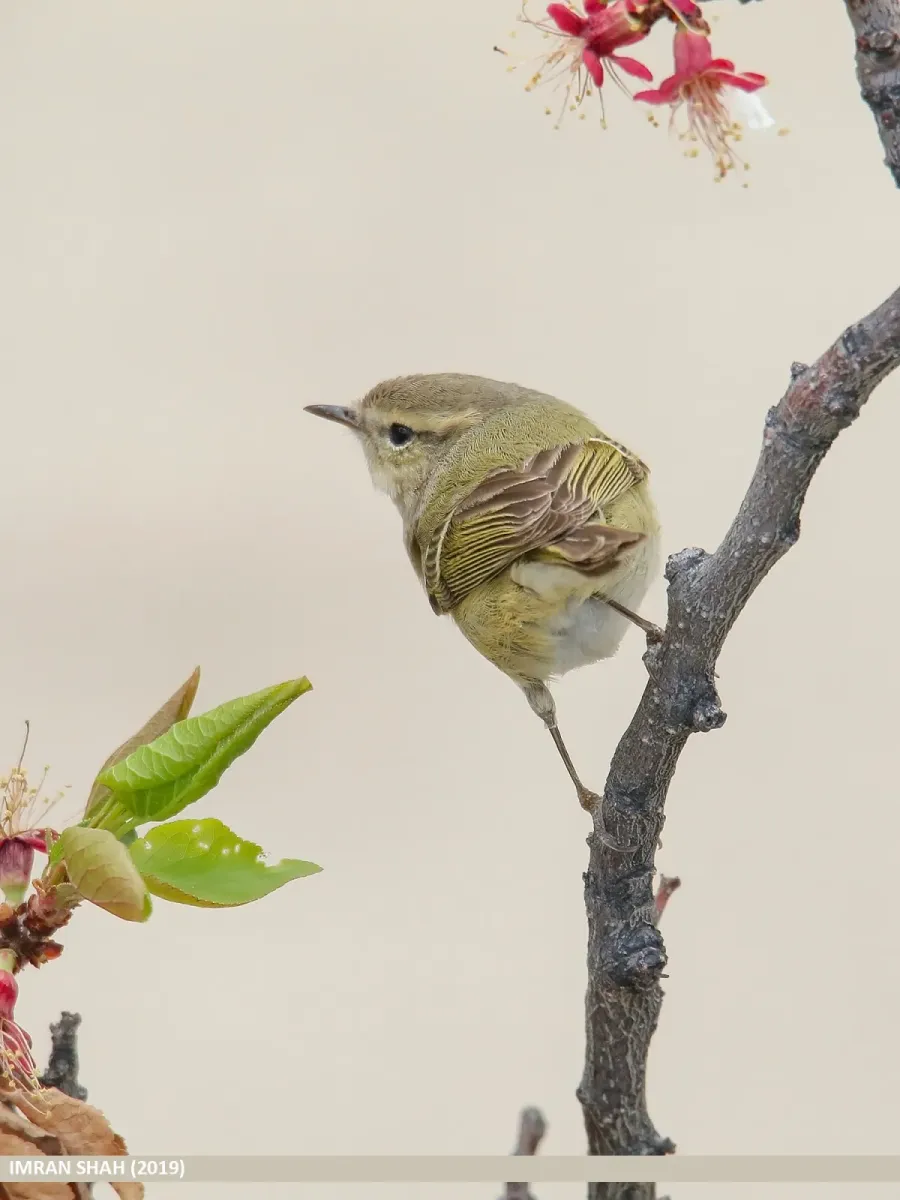
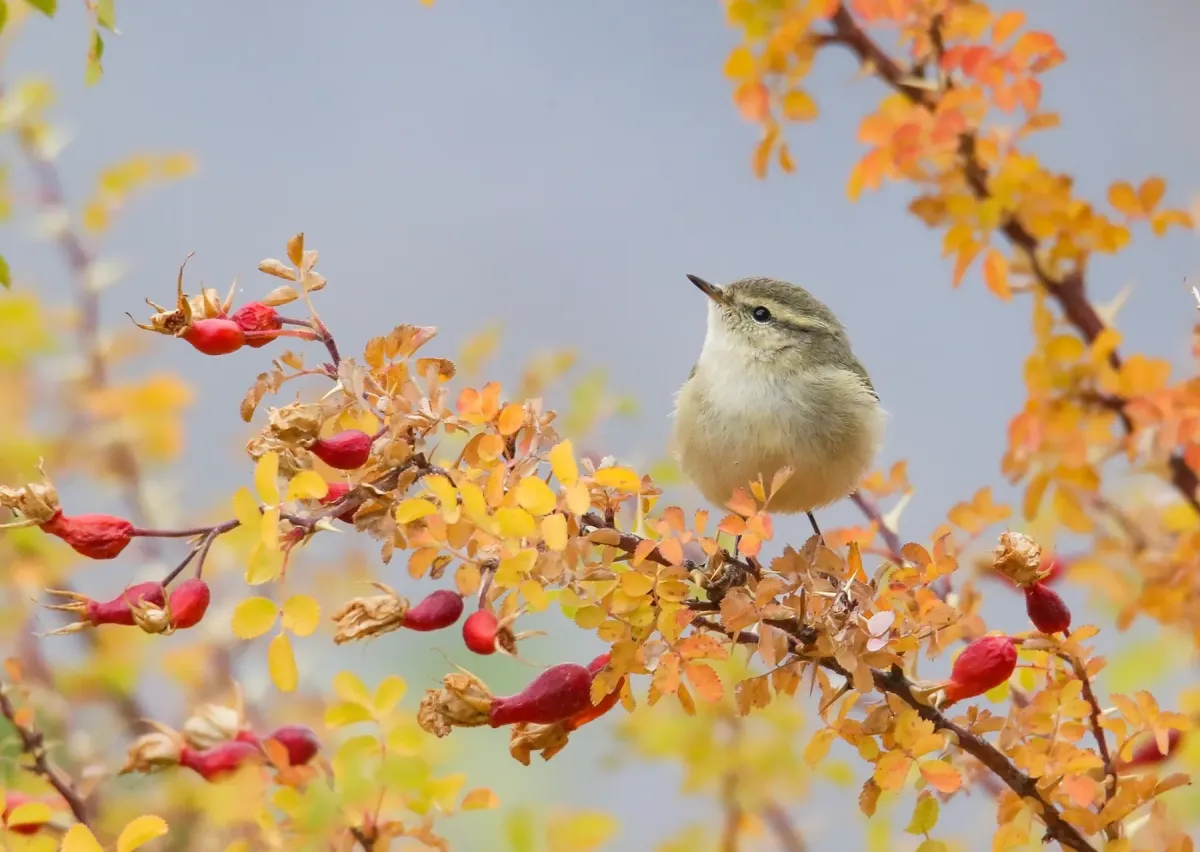
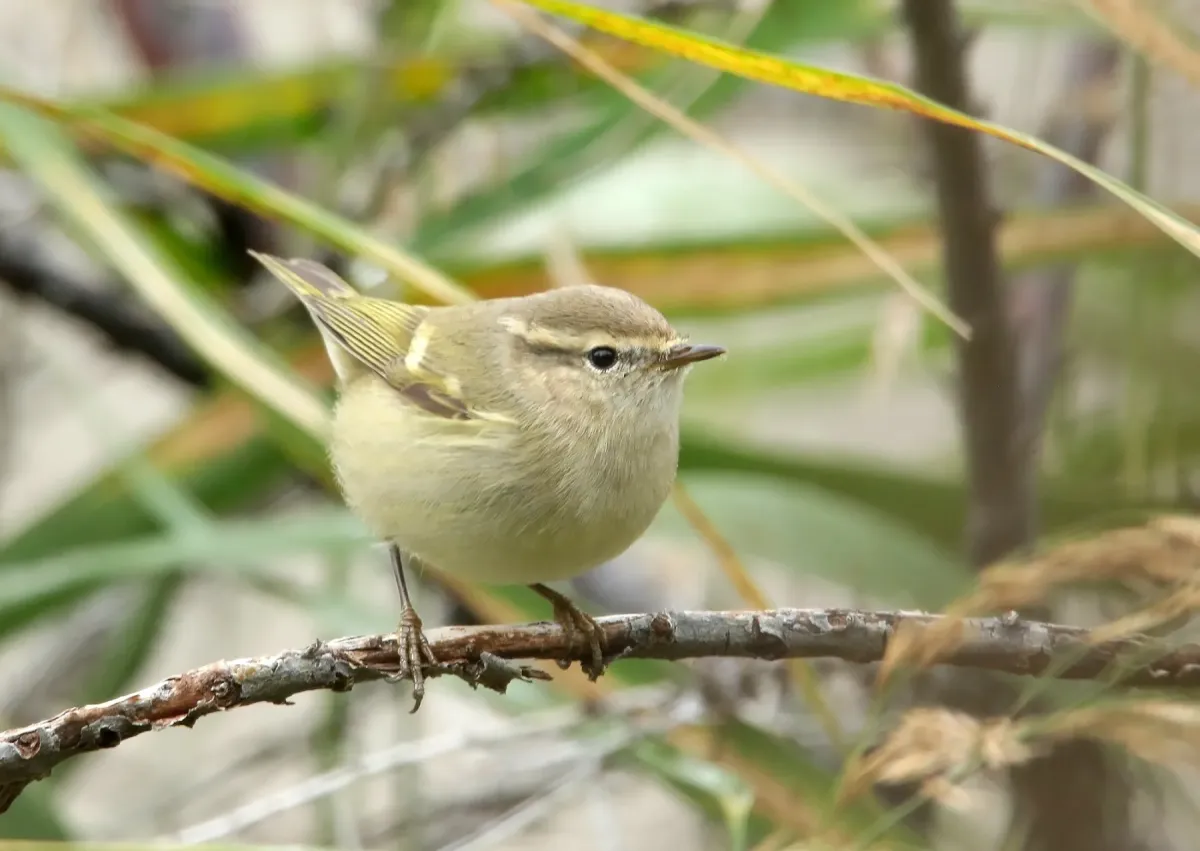
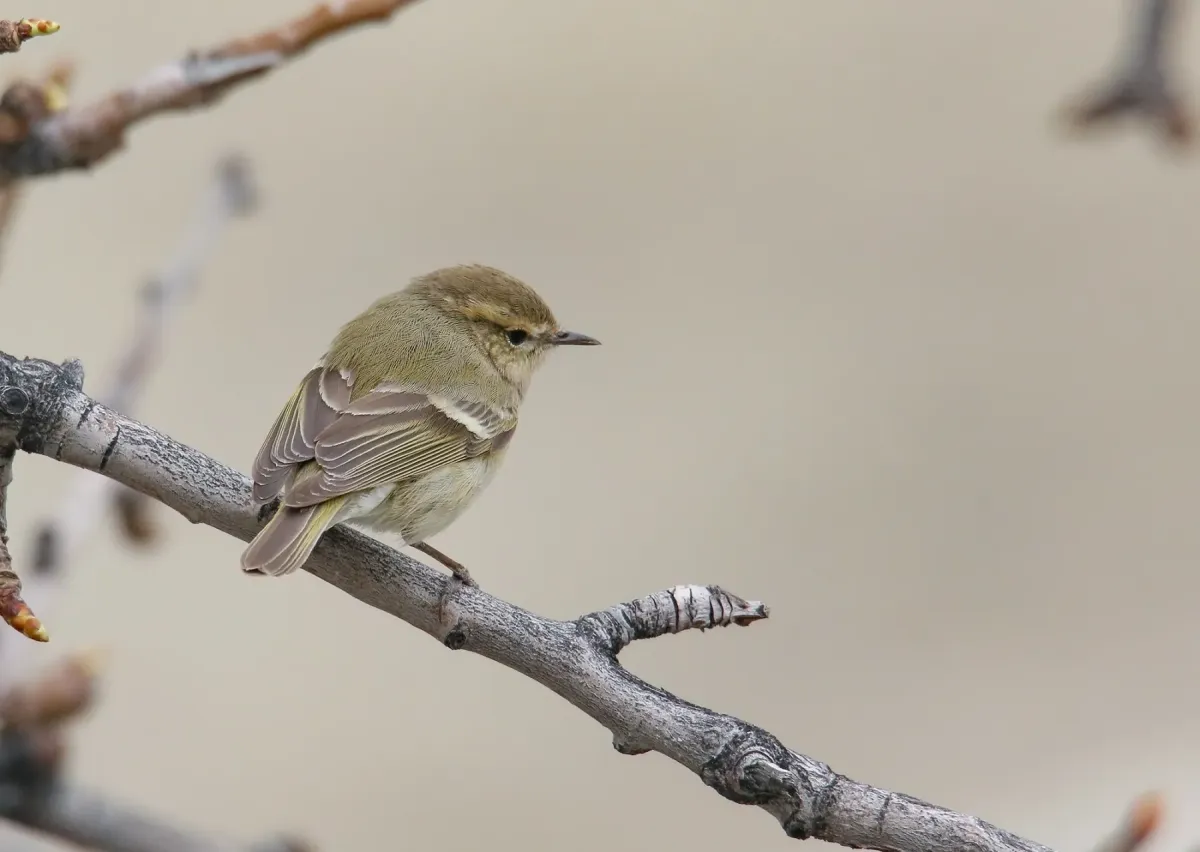
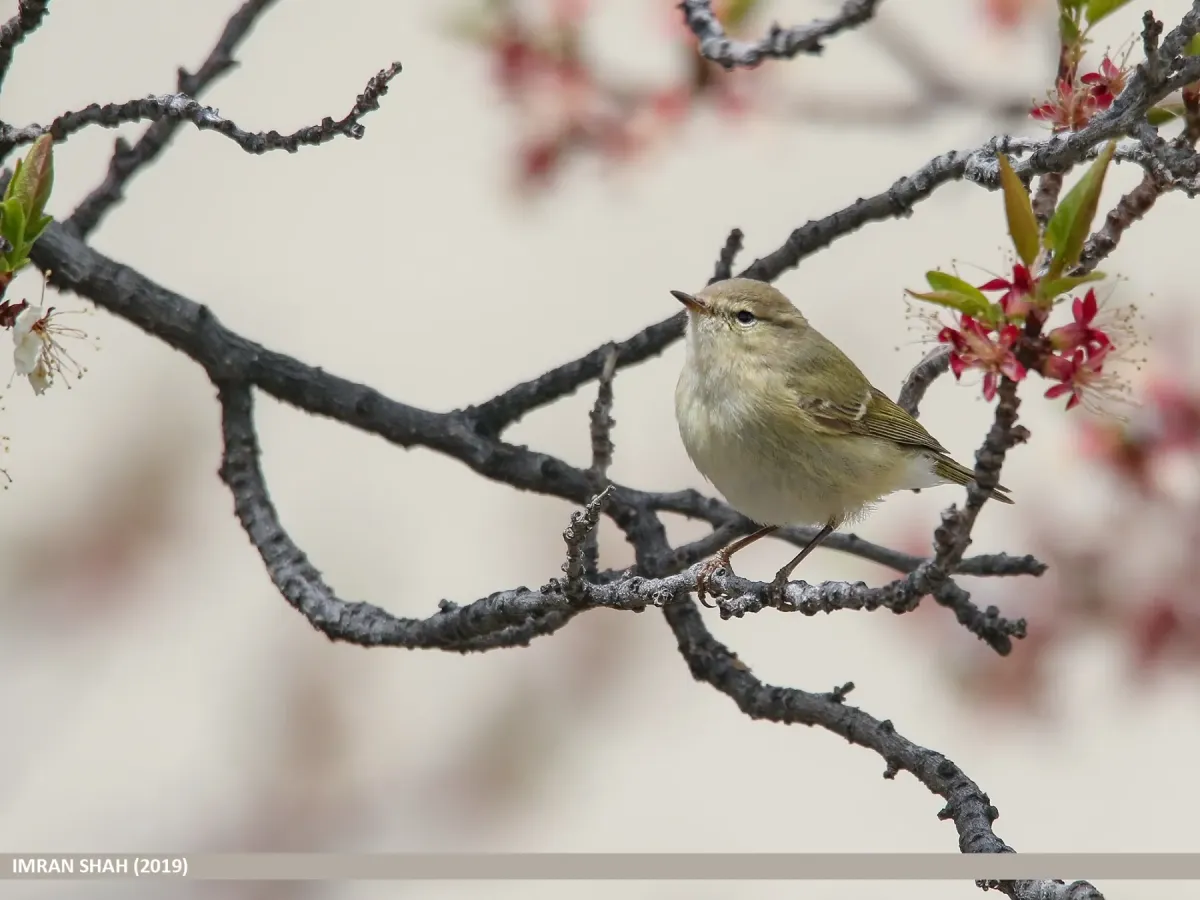
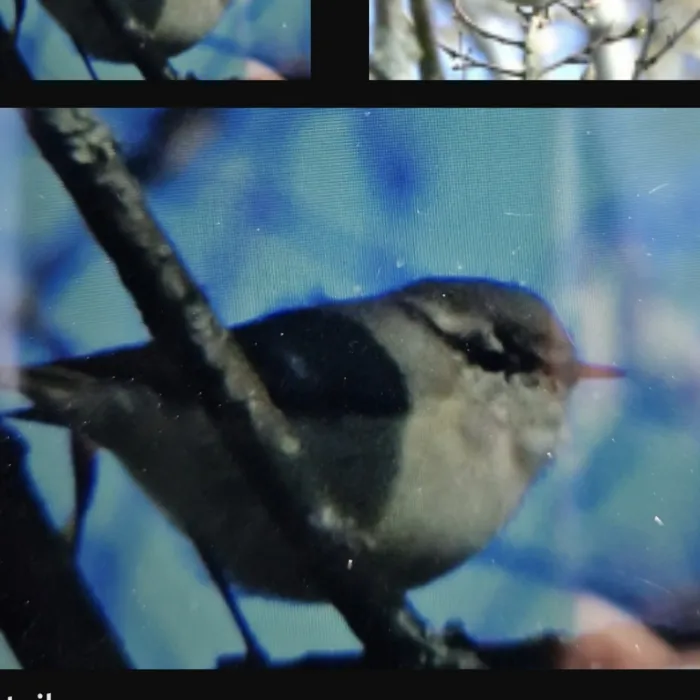
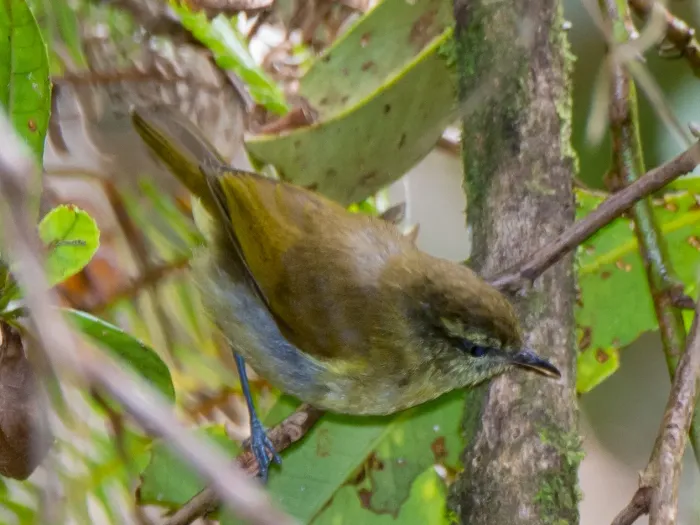
Look for its small size, dull greenish-grey upperparts, pale underparts, pale supercilium, and two distinct yellowish wing-bars. It has a habit of flicking its wings. Listen for its high-pitched, often disyllabic call 'chwee-ee' or 'twi-wit'.
When to spot
Best observed during the breeding season in its native range (spring-summer). In other regions, it is mainly a passage migrant or winter visitor, typically seen from autumn to spring.
Where to spot
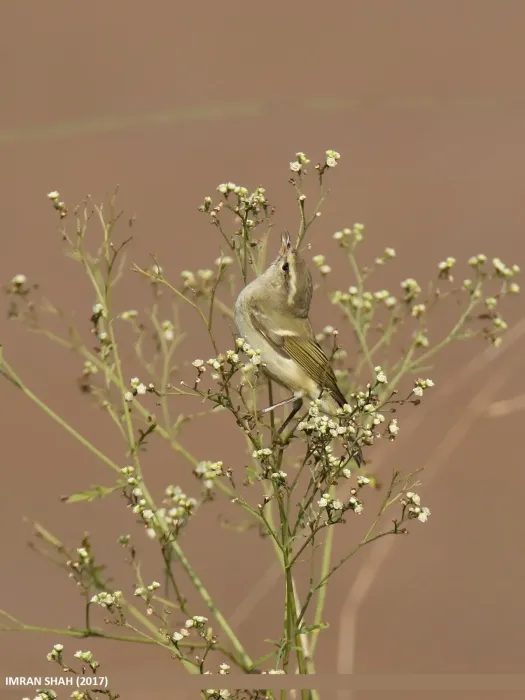
Breeds in the mountains and forests of Central Asia, from the Himalayas to Siberia. Winters in parts of South Asia and Southeast Asia. Can occur as a vagrant in Europe.
How to spot
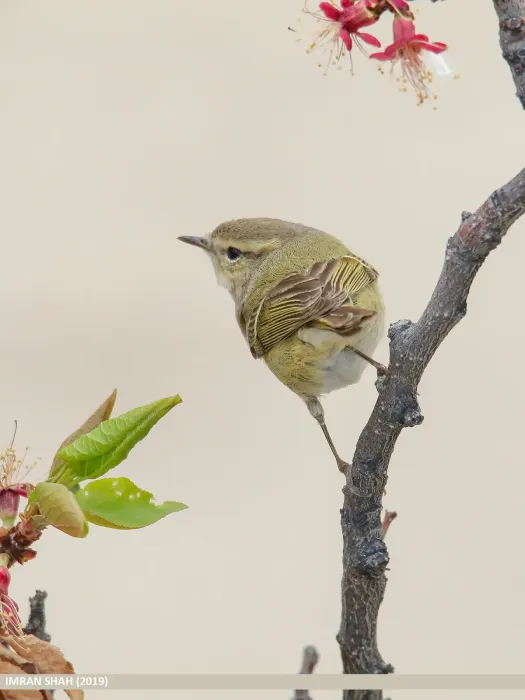
Look for its small size, dull greenish-grey upperparts, pale underparts, pale supercilium, and two distinct yellowish wing-bars. It has a habit of flicking its wings. Listen for its high-pitched, often disyllabic call 'chwee-ee' or 'twi-wit'.
When to spot
Best observed during the breeding season in its native range (spring-summer). In other regions, it is mainly a passage migrant or winter visitor, typically seen from autumn to spring.


Credits:
Afbeelding van <a href="https://pixabay.com/nl/users/valentinhintikka-10607927/?utm_source=link-attribution&utm_medium=referral&utm_campaign=image&utm_content=5534810">valentin hintikka</a> via <a href="https://pixabay.com/nl//?utm_source=link-attribution
Credits:
Wikimedia Commons
Credits:
Wikimedia Commons
Credits:
Wikimedia Commons
Credits:
Wikimedia Commons
Credits:
Wikimedia Commons
Credits:
Wikimedia Commons
Credits:
Wikimedia Commons
Hume's Leaf Warbler, along with other 'leaf warblers' (Phylloscopus species), were famously studied for their 'ring species' phenomenon, illustrating evolutionary divergence.
Loading...
Spotted
No recently spotted birds
Monthly observations





Also interesting




Share this page
Or share directly on
