





Where to spot
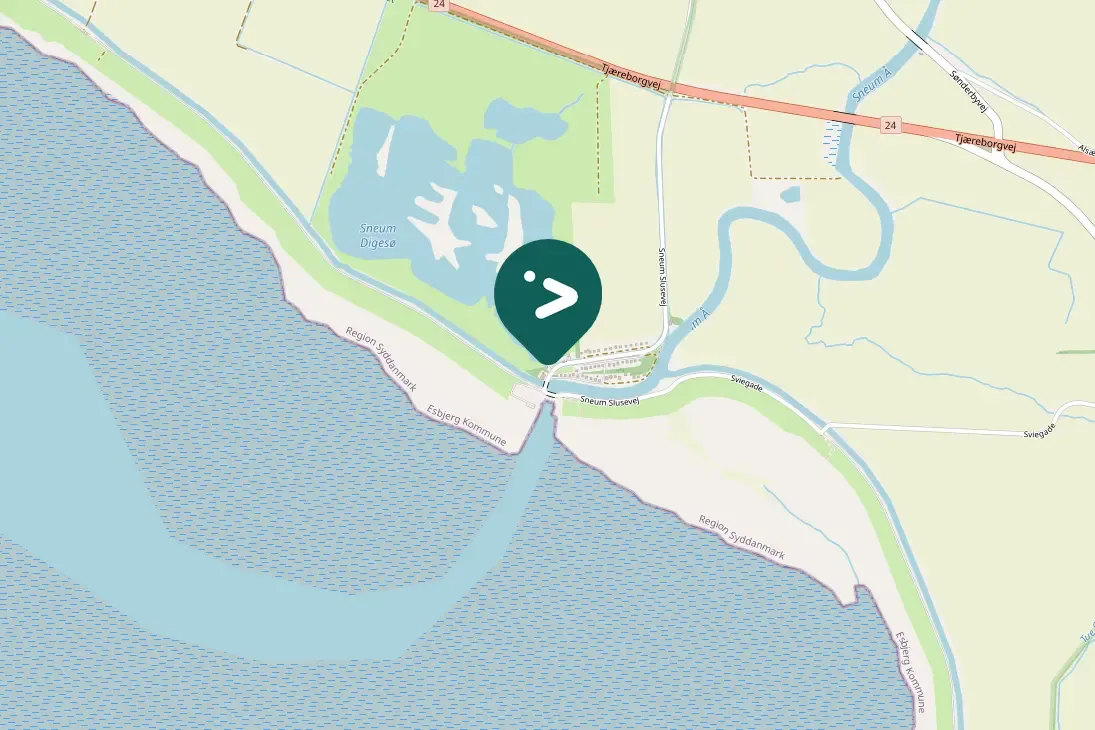
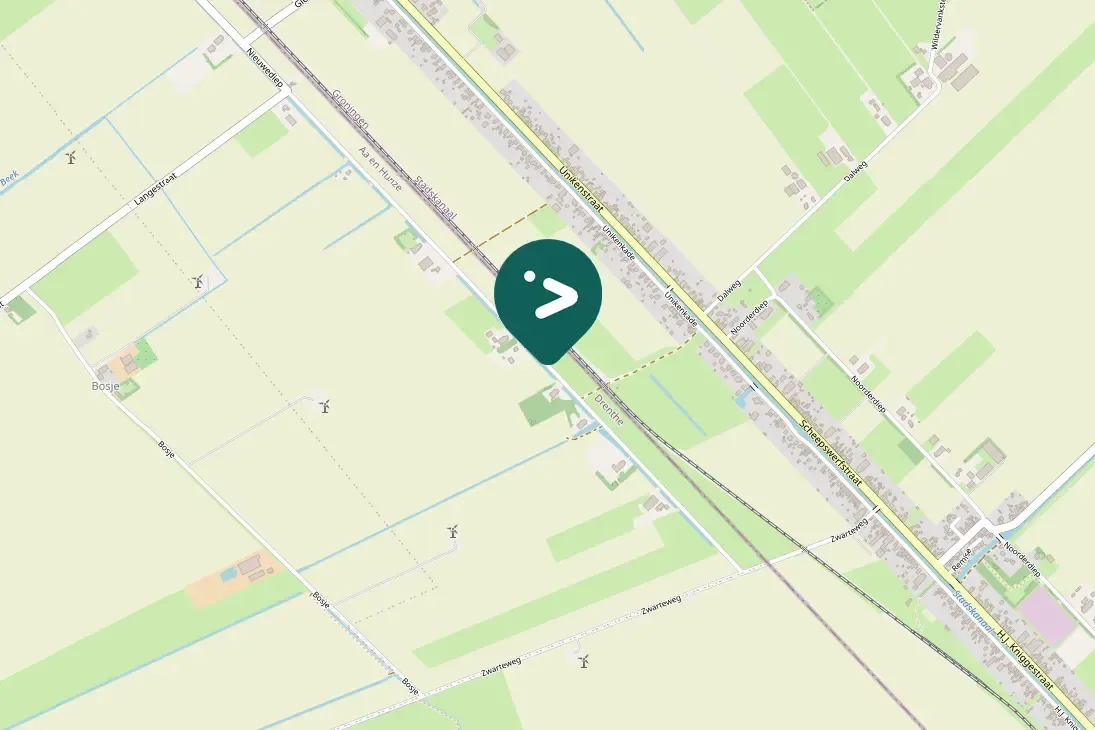
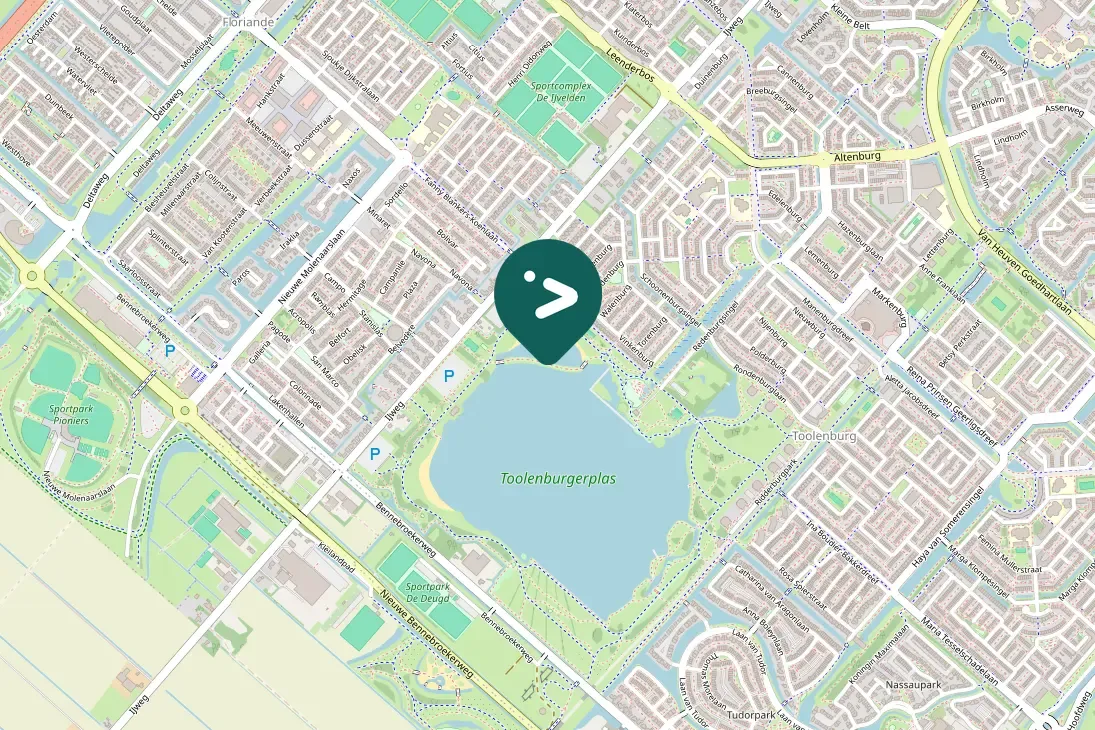
Breeds across much of Europe, Asia, and North Africa in extensive reedbeds and other dense wetland vegetation. Winters in sub-Saharan Africa.
How to spot
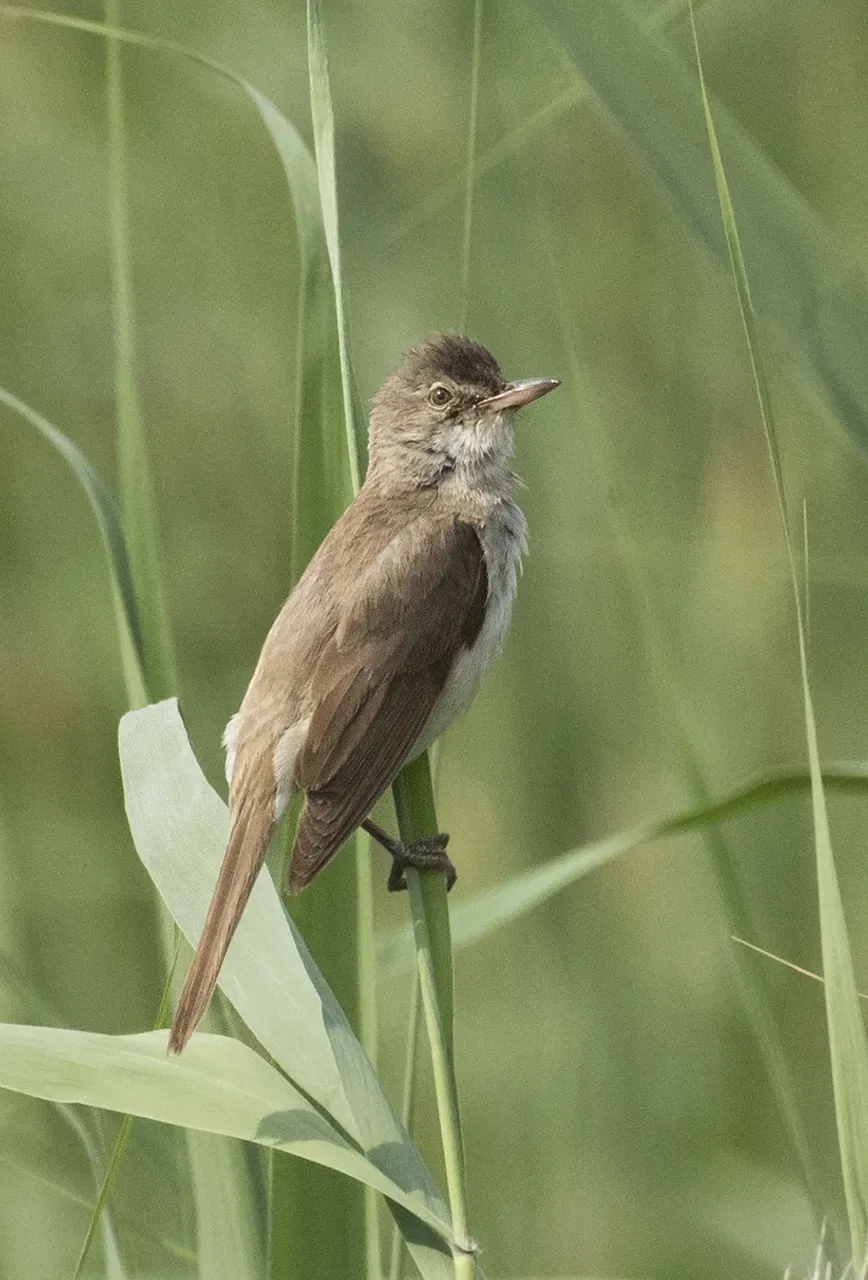
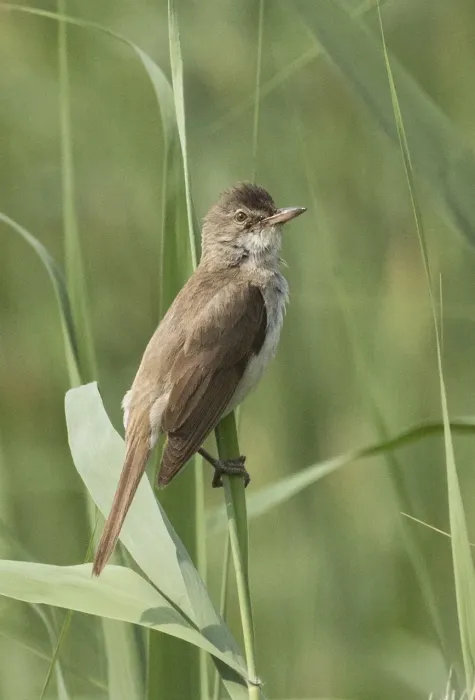
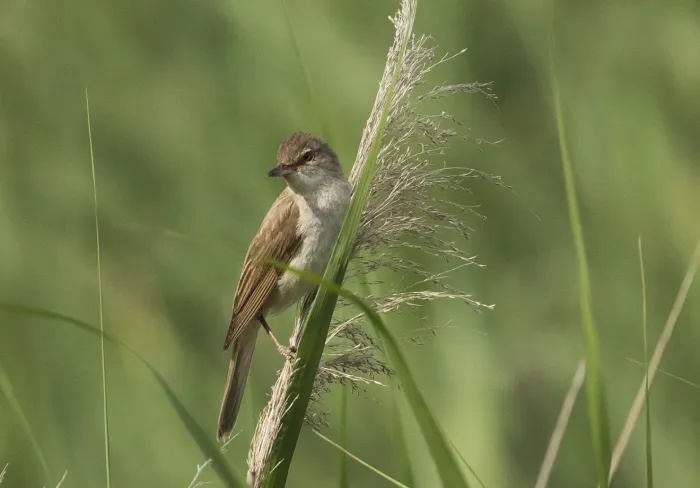
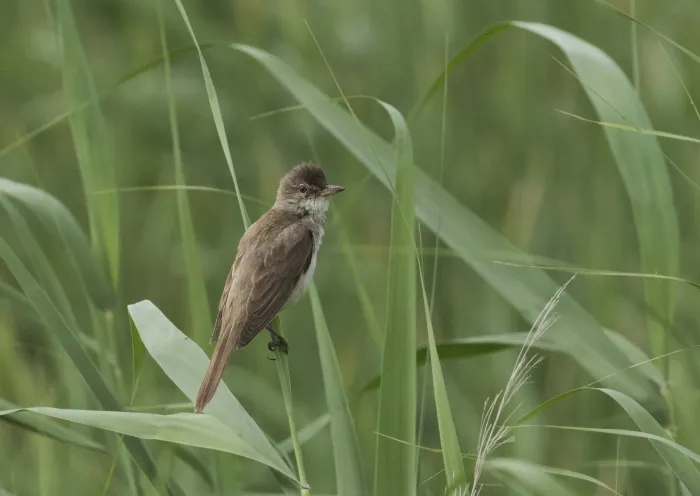
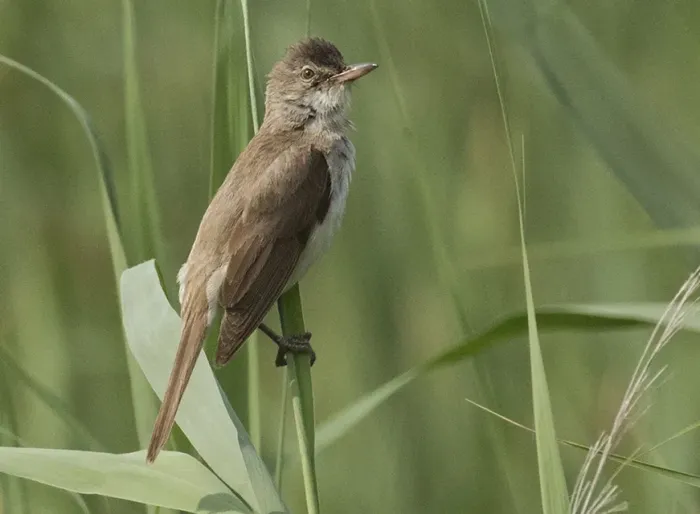
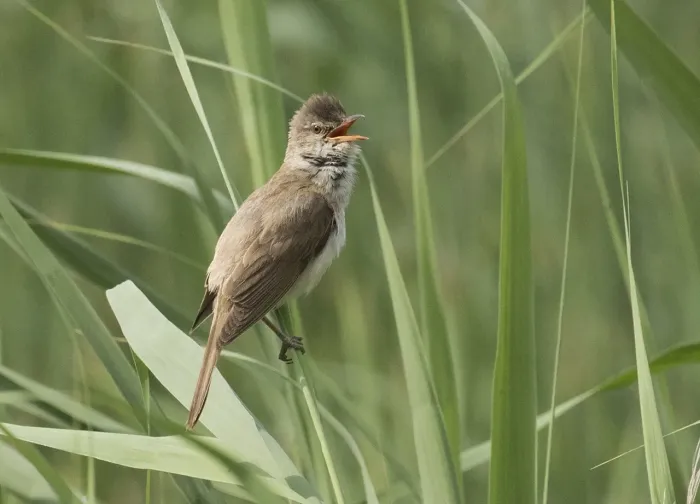
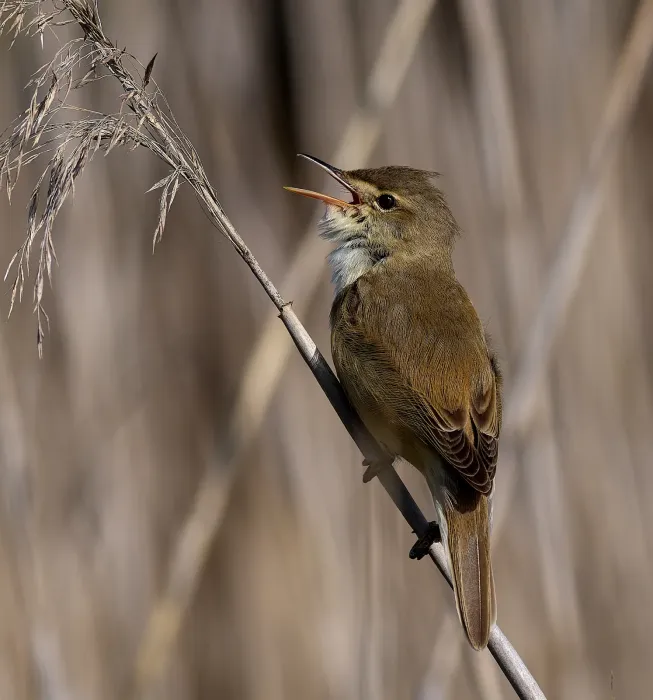
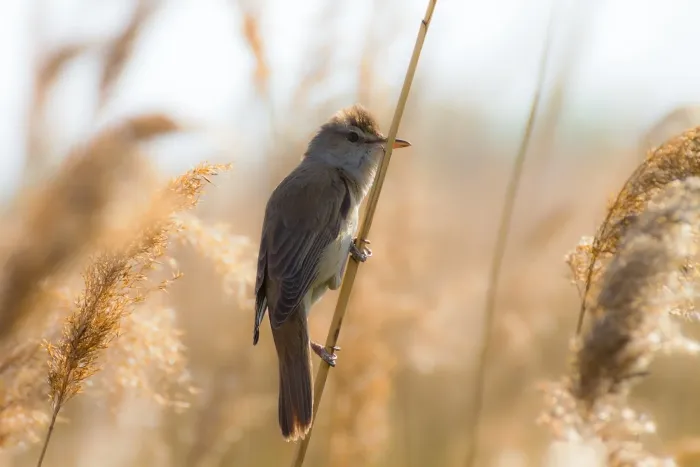
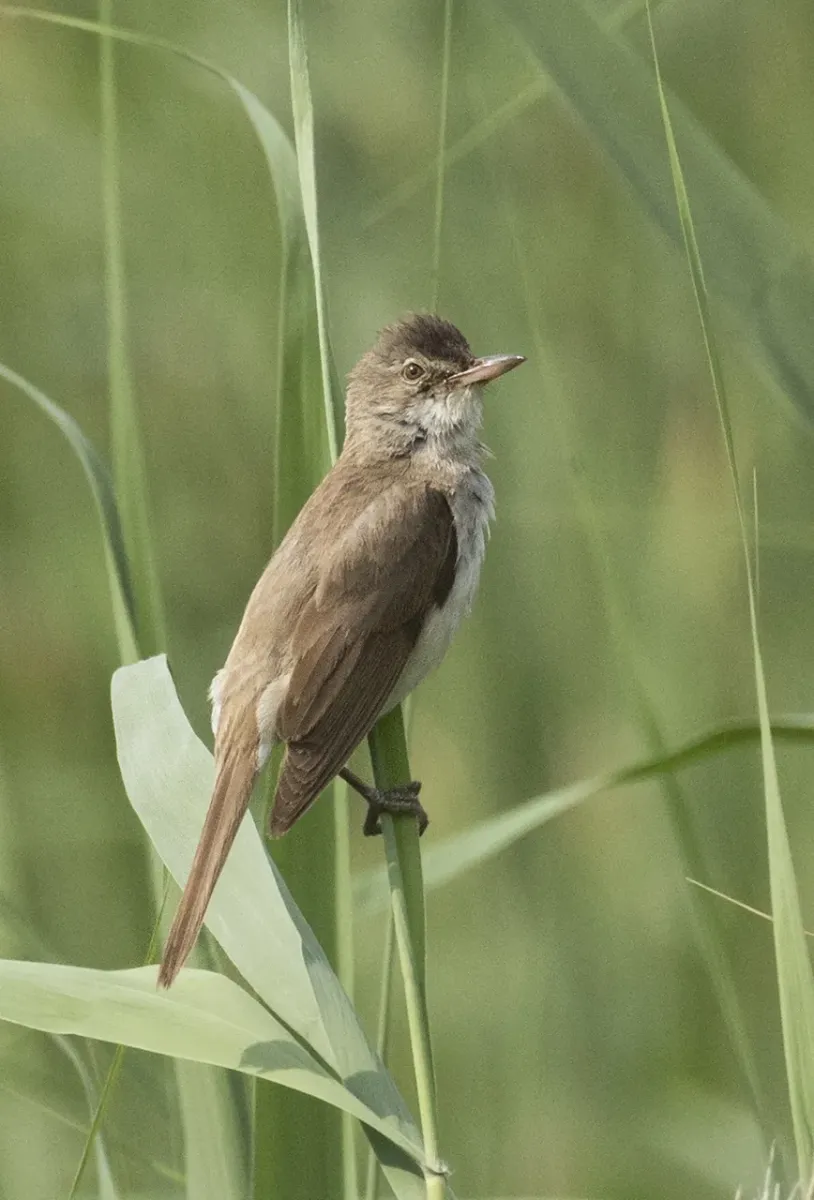
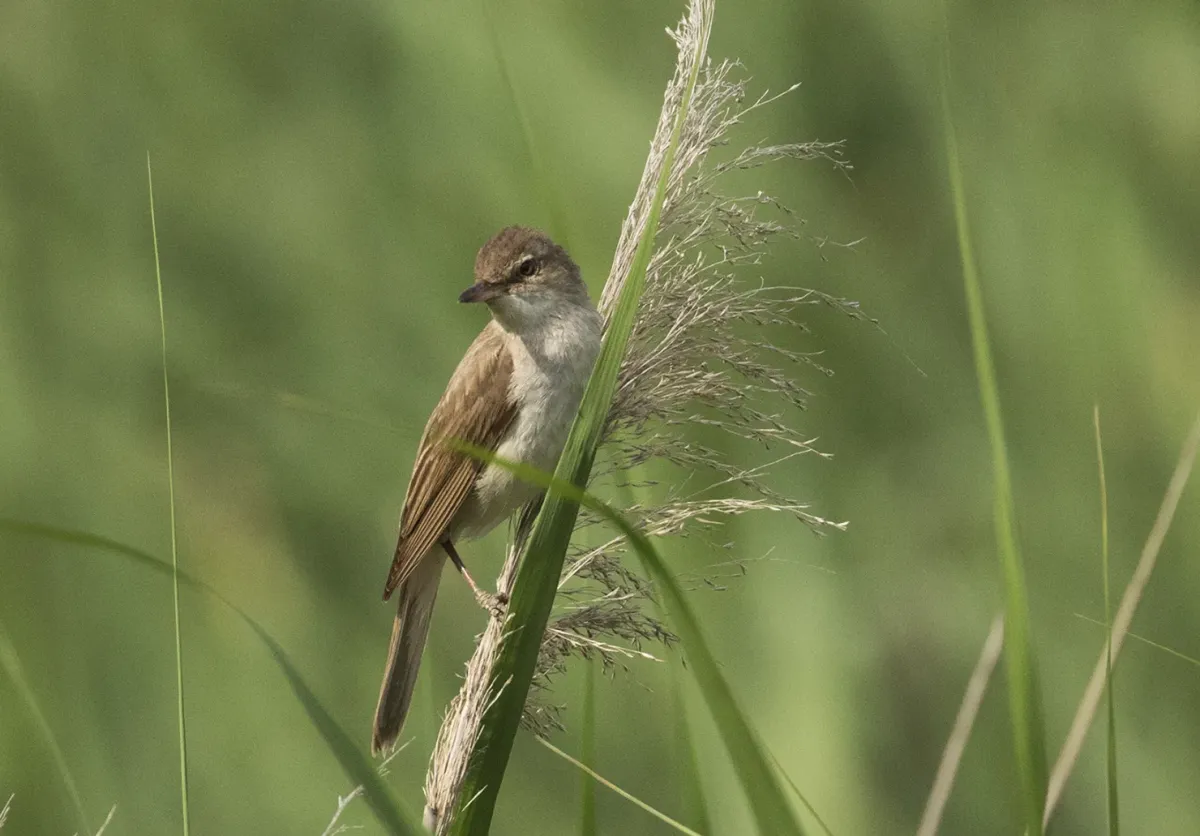
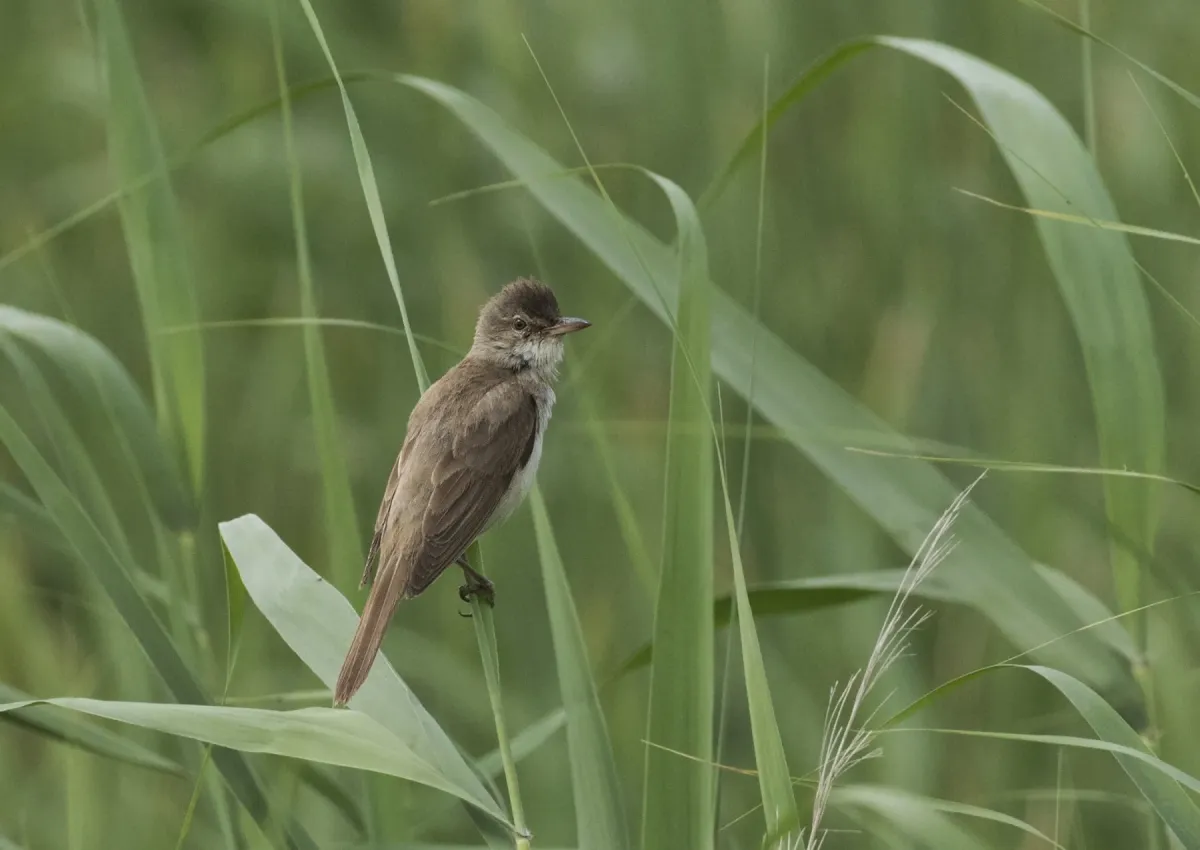
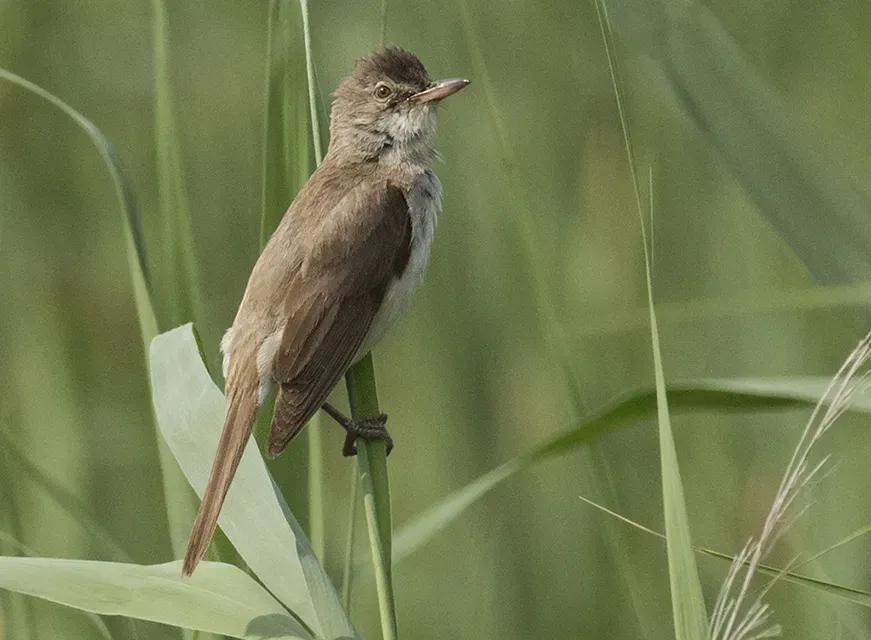
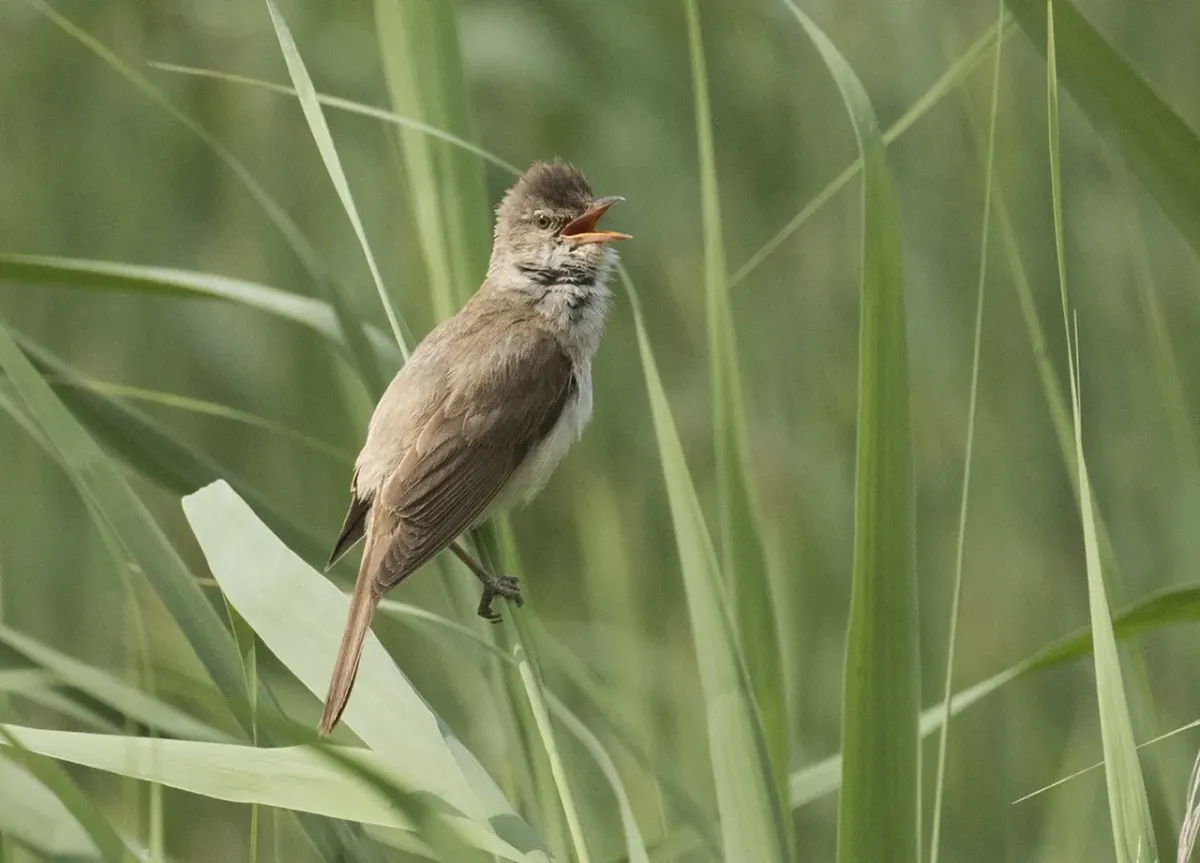
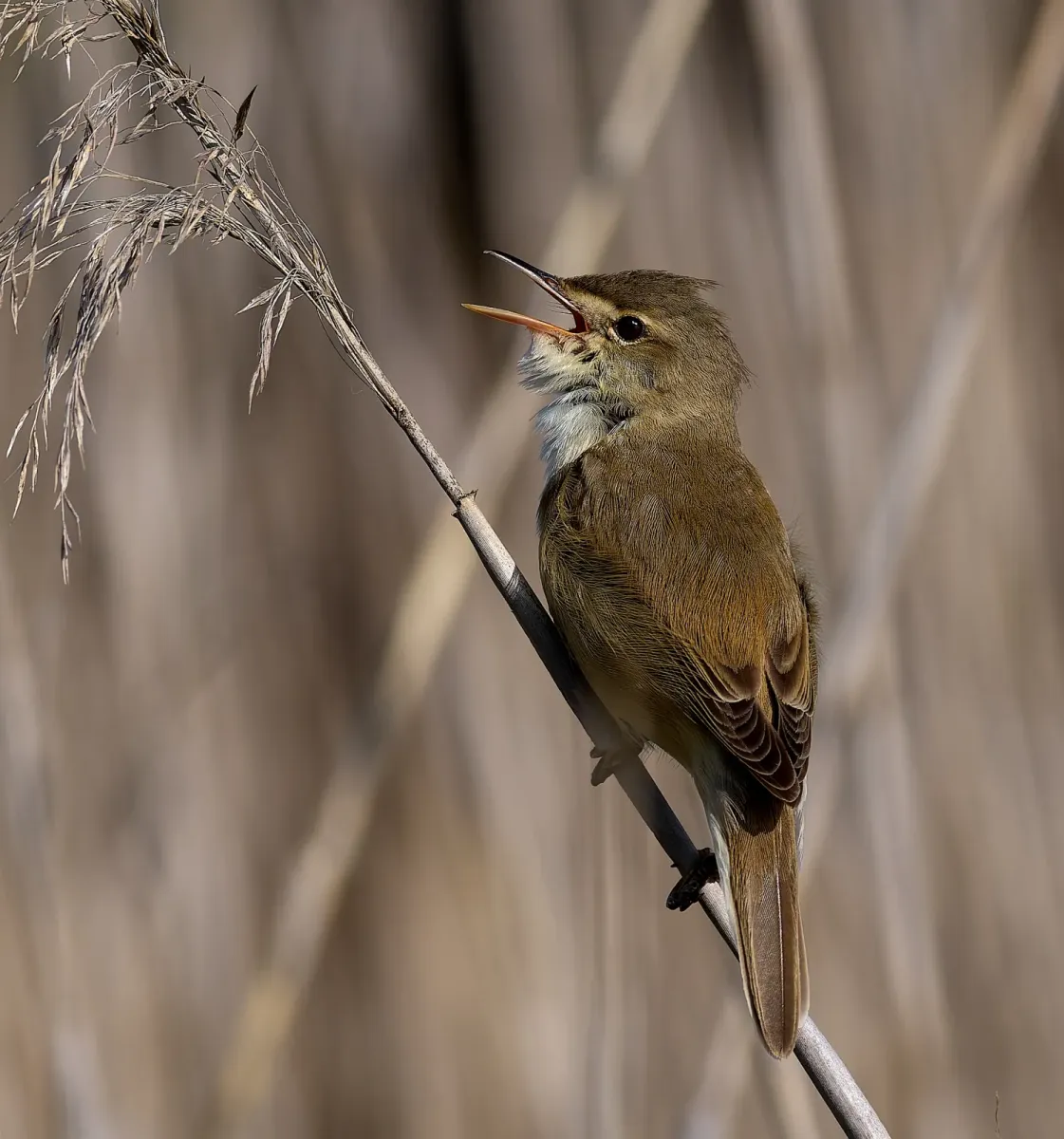
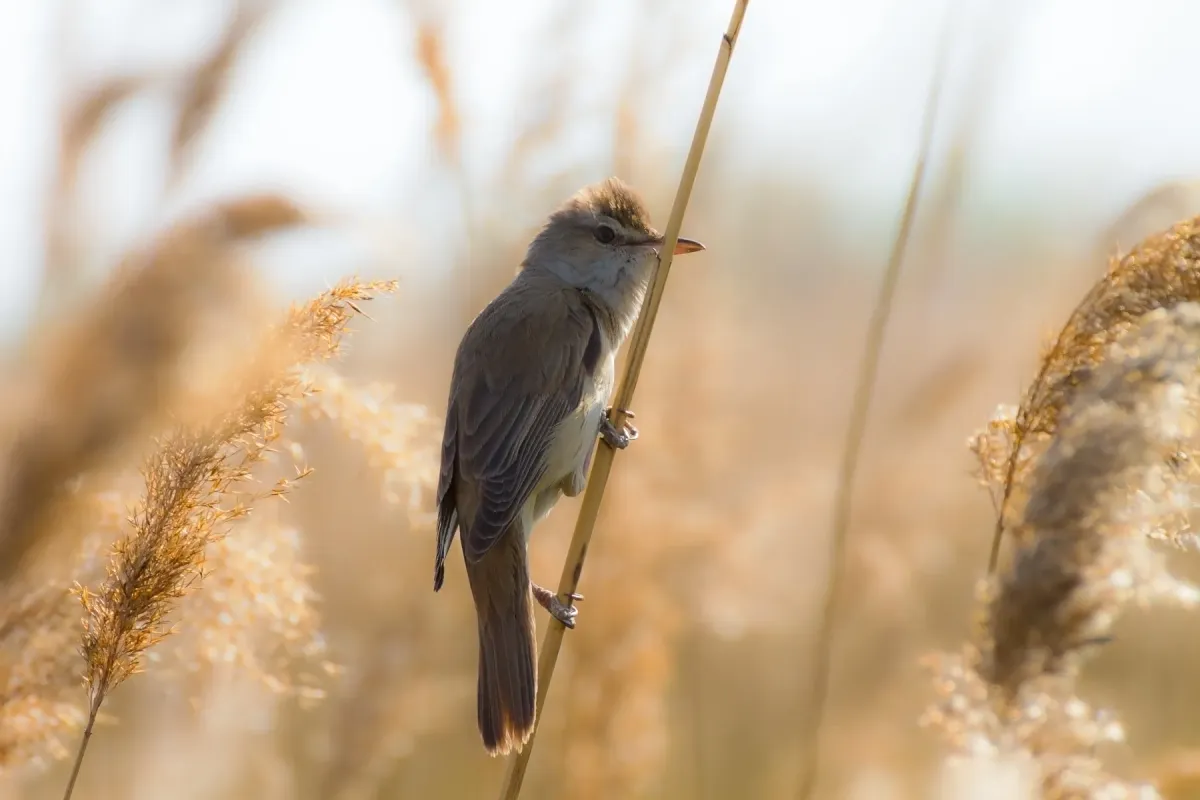
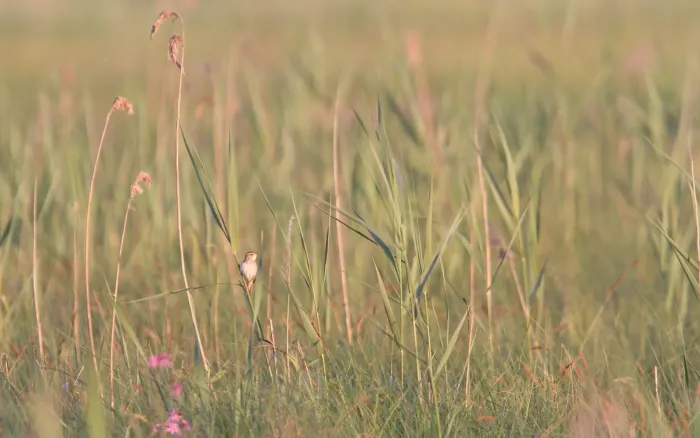
Look for a large, robust warbler with plain brown upperparts, buffy underparts, and a long, strong bill. Its size is key to distinguishing it from smaller reed warblers. Listen intently for its loud, grating, and repetitive song, often incorporating mimicry.
When to spot
Best observed during the breeding season from late spring to summer (May-July) when males are singing persistently from prominent perches within the reeds. Migration occurs in April-May and August-September.
Where to spot
Breeds across much of Europe, Asia, and North Africa in extensive reedbeds and other dense wetland vegetation. Winters in sub-Saharan Africa.
How to spot
Look for a large, robust warbler with plain brown upperparts, buffy underparts, and a long, strong bill. Its size is key to distinguishing it from smaller reed warblers. Listen intently for its loud, grating, and repetitive song, often incorporating mimicry.
When to spot
Best observed during the breeding season from late spring to summer (May-July) when males are singing persistently from prominent perches within the reeds. Migration occurs in April-May and August-September.


Credits:
Ouwesok
Credits:
Wikimedia Commons
Credits:
Wikimedia Commons
Credits:
Wikimedia Commons
Credits:
Wikimedia Commons
Credits:
Wikimedia Commons
Credits:
Wikimedia Commons
Credits:
Wikimedia Commons
The Great Reed Warbler's loud, harsh song, often described as 'karra-karra-kree-kree-kree,' can carry for considerable distances across wetlands and is used aggressively to defend large territories.
Loading...
Spotted
- Recently spotted
- 1 (Seen in the last 3 months)
- Last spotted
- 2 months ago door Alex
Monthly observations
27 observations
Loading...


Maarten Liefting
4 months ago
Great Reed Warbler
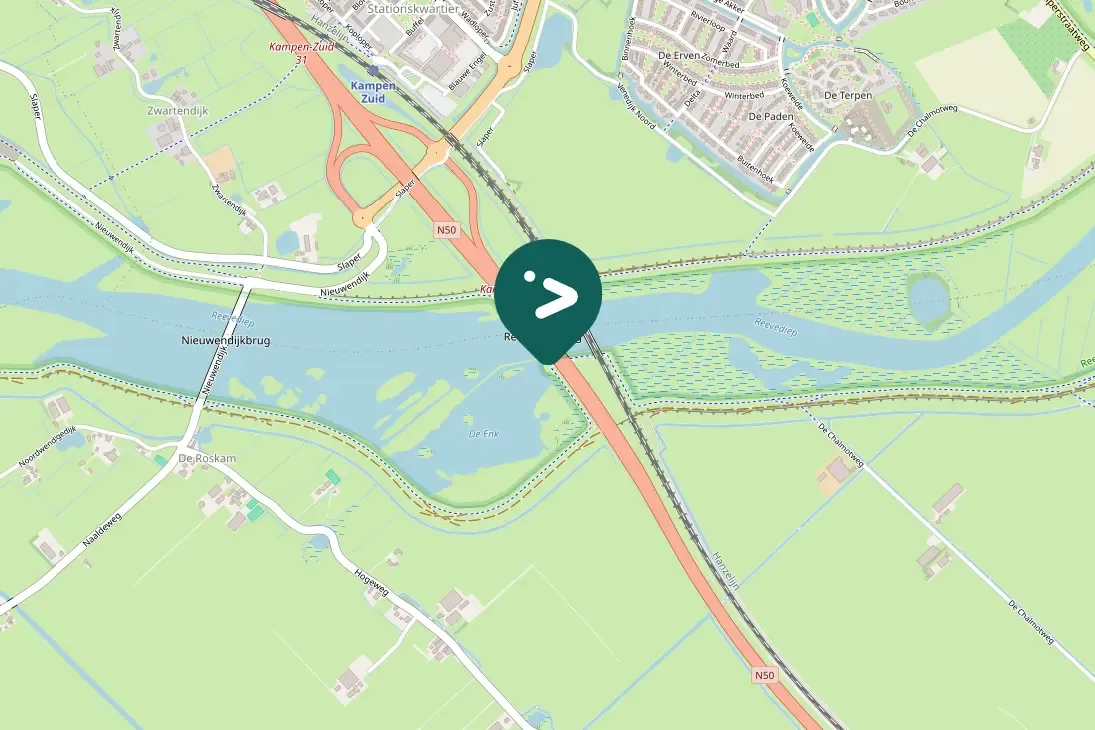
Kampen, Overijssel
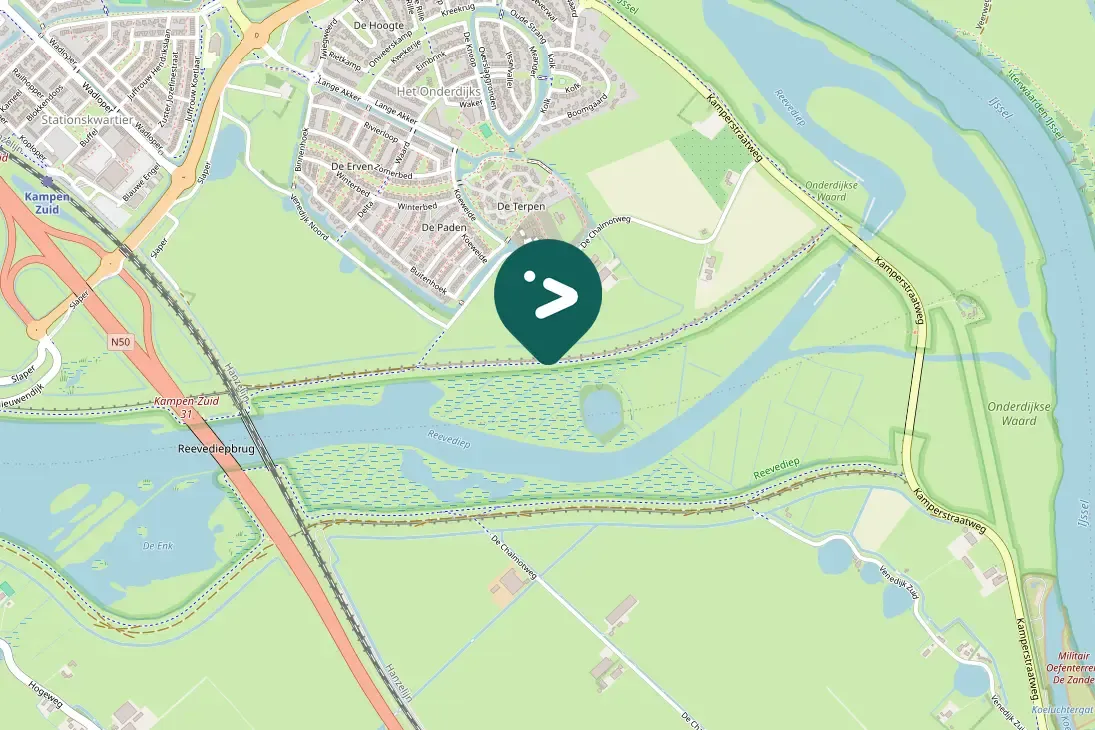
Half uur zitten wachten tot ik hem zag… helaas alleen gehoord
Lifer

Also interesting


Share this page
Or share directly on
