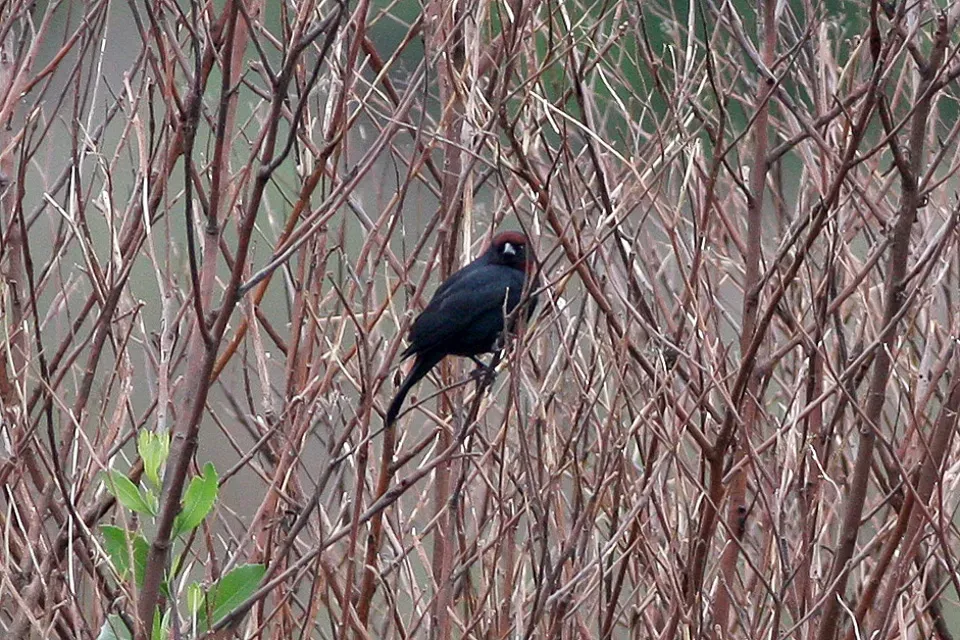
Chestnut-capped Blackbird
Chestnut-capped Blackbird
100
-
Points:
100
Not yet spotted on Fladder
Spotted
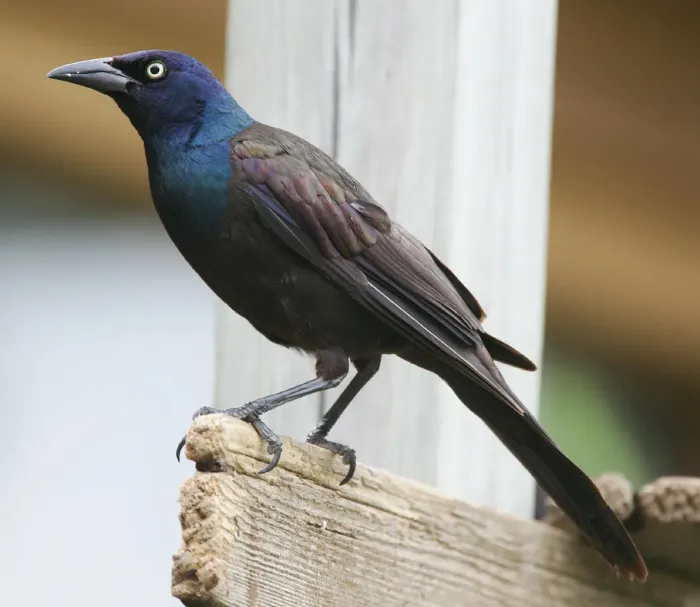
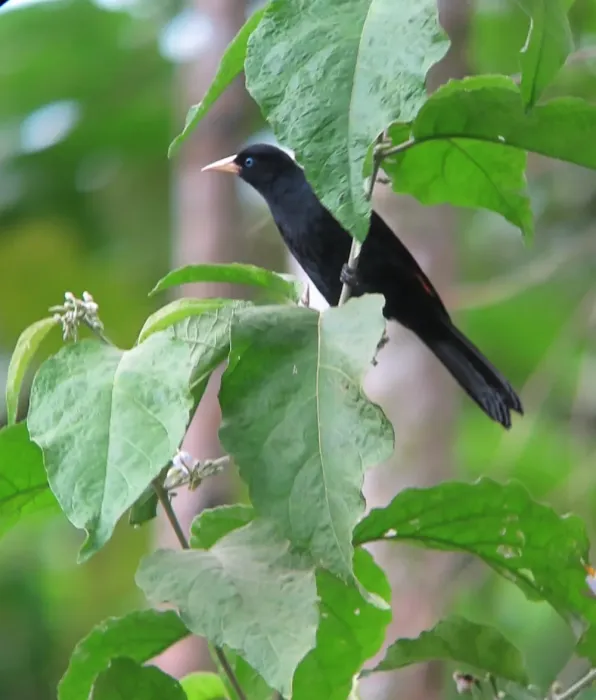
A striking member of the Icteridae family, the Chestnut-capped Blackbird is known for its glossy black plumage and distinctive rufous (chestnut) cap. It is typically found in marshy habitats and open grasslands.
Where to spot
Primarily found in South America, ranging from southeastern Brazil through Uruguay, Paraguay, and northeastern Argentina.
How to spot
Look for them in wetlands, marshes, and rice fields. They are often seen perched on reeds or foraging on the ground; listen for their varied, somewhat reedy songs.
When to spot
Can be observed year-round within its resident range, though breeding activity peaks during the local spring and summer months (September-March).
Where to spot
Primarily found in South America, ranging from southeastern Brazil through Uruguay, Paraguay, and northeastern Argentina.
How to spot
Look for them in wetlands, marshes, and rice fields. They are often seen perched on reeds or foraging on the ground; listen for their varied, somewhat reedy songs.
When to spot
Can be observed year-round within its resident range, though breeding activity peaks during the local spring and summer months (September-March).


Credits:
Wikimedia Commons

Credits:
Wikimedia Commons

Credits:
Wikimedia Commons

Credits:
Wikimedia Commons

Credits:
Wikimedia Commons

Credits:
Wikimedia Commons

Credits:
Wikimedia Commons
These blackbirds often build their cup-shaped nests directly over water, attaching them to reeds or other emergent vegetation for protection against predators.
Loading...
Spotted
No recently spotted birds
Monthly observations
No observations
Loading...
Nothing spotted yet
Also interesting





Share this page
Or share directly on
