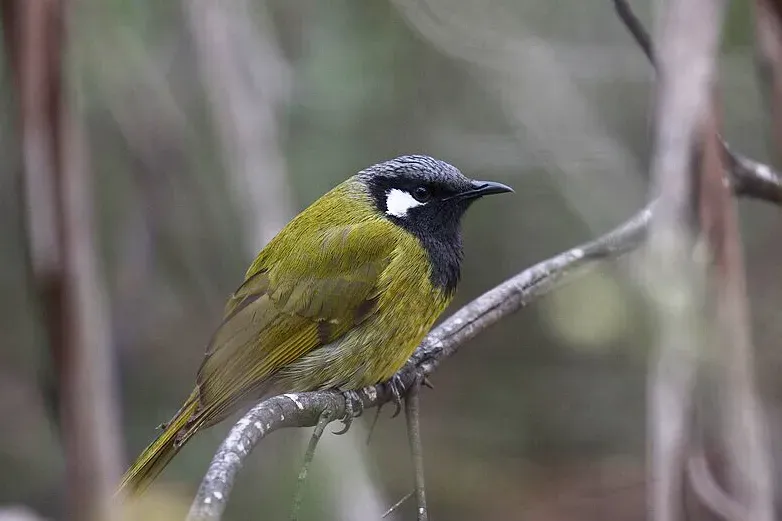
White-eared Honeyeater
White-eared Honeyeater
100
-
Points:
100
Not yet spotted on Fladder
Spotted
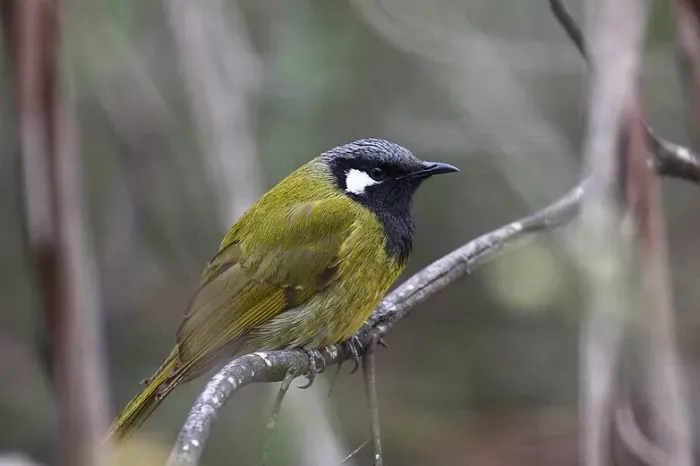
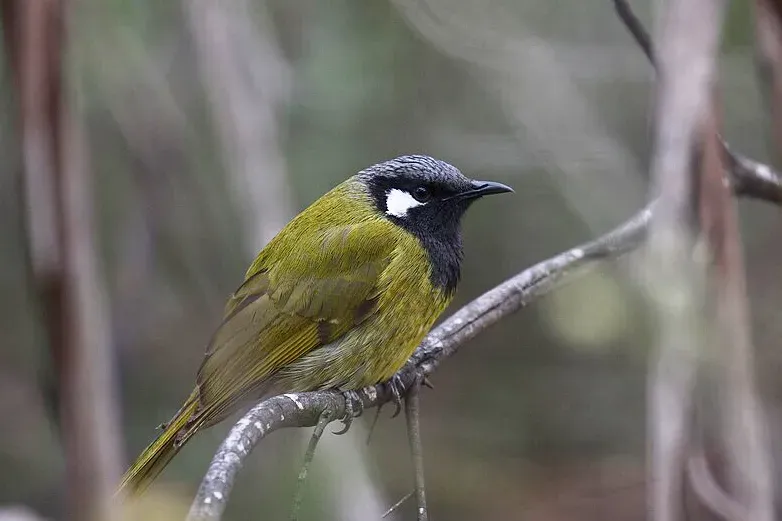
The White-eared Honeyeater is a medium-sized honeyeater recognized by its bright yellow ear patch, set against a black face, and its bold nature. It is common in southeastern Australia.
Where to spot
Widespread in forests, woodlands, and heathlands across southeastern Australia, including Tasmania, adapting to various forest types.
How to spot
Look for the prominent yellow ear patch and its active foraging. Listen for its loud, clear whistling calls. Often seen probing bark for insects or taking nectar from flowers.
When to spot
Active and vocal year-round, especially during early morning and late afternoon when foraging is most intense.
Where to spot
Widespread in forests, woodlands, and heathlands across southeastern Australia, including Tasmania, adapting to various forest types.
How to spot
Look for the prominent yellow ear patch and its active foraging. Listen for its loud, clear whistling calls. Often seen probing bark for insects or taking nectar from flowers.
When to spot
Active and vocal year-round, especially during early morning and late afternoon when foraging is most intense.



Credits:
Wikimedia Commons

Credits:
Wikimedia Commons
Credits:
Wikimedia Commons
This species is known for its strong, slightly mournful whistling call that often carries far through the bush, making it easily identifiable by sound alone.
Loading...
Spotted
No recently spotted birds
Monthly observations
No observations
Loading...
Nothing spotted yet
Also interesting


Share this page
Or share directly on
