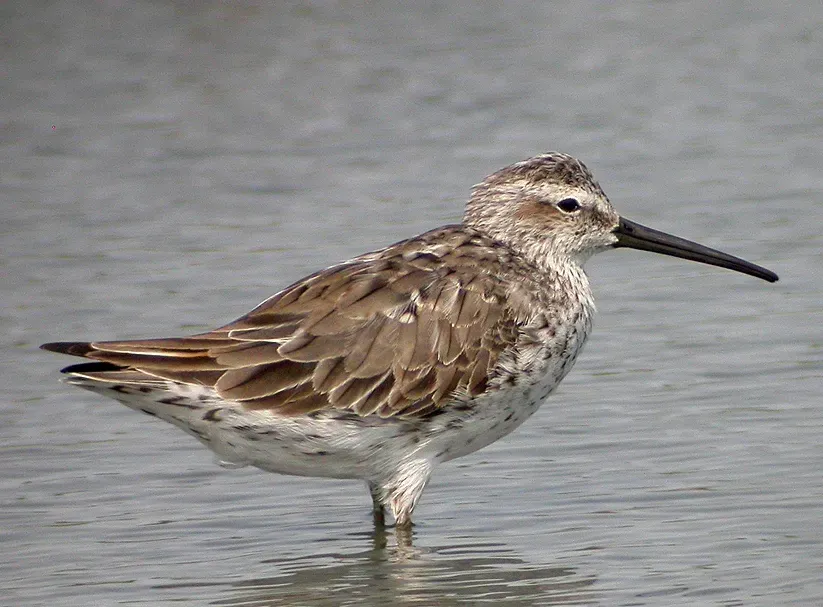
Stilt Sandpiper
Stilt Sandpiper
95
-
Points:
95
Not yet spotted on Fladder
Spotted
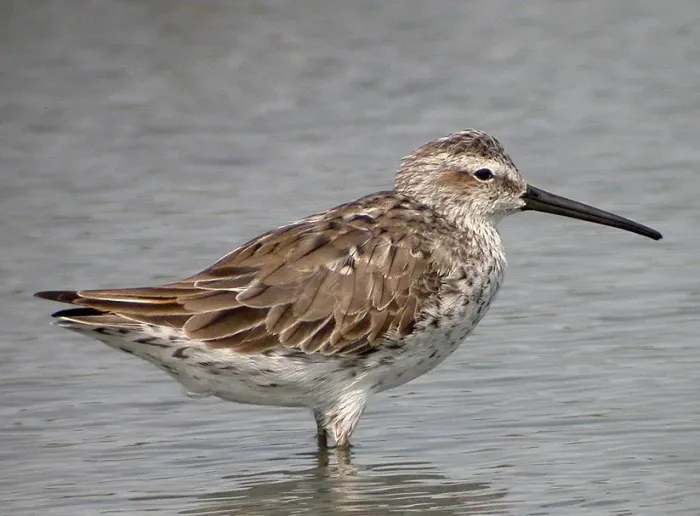
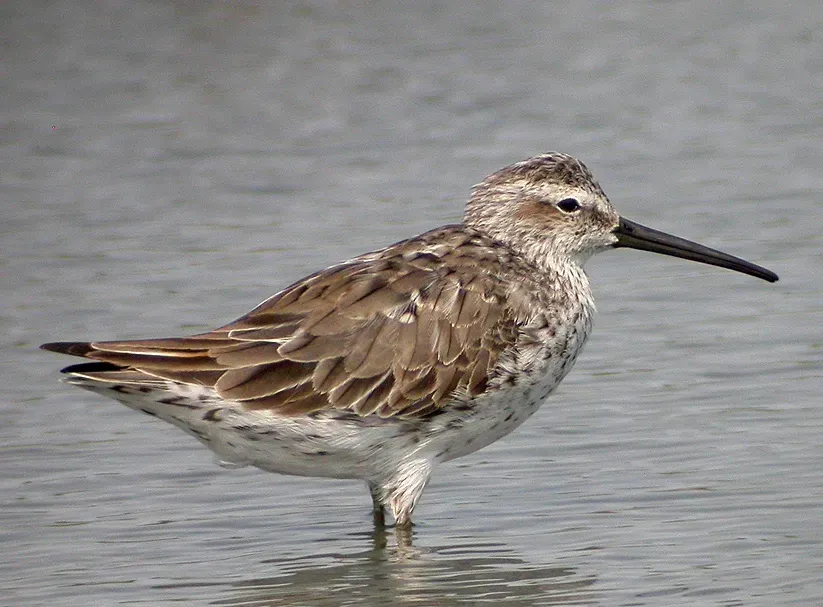
The Stilt Sandpiper (Calidris himantopus) is a distinctive medium-sized shorebird known for its unusually long legs, which give it a unique appearance among its sandpiper relatives. Belonging to the Scolopacidae family, it is a highly migratory species, undertaking vast journeys between its Arctic breeding grounds and its South American wintering areas.
Where to spot
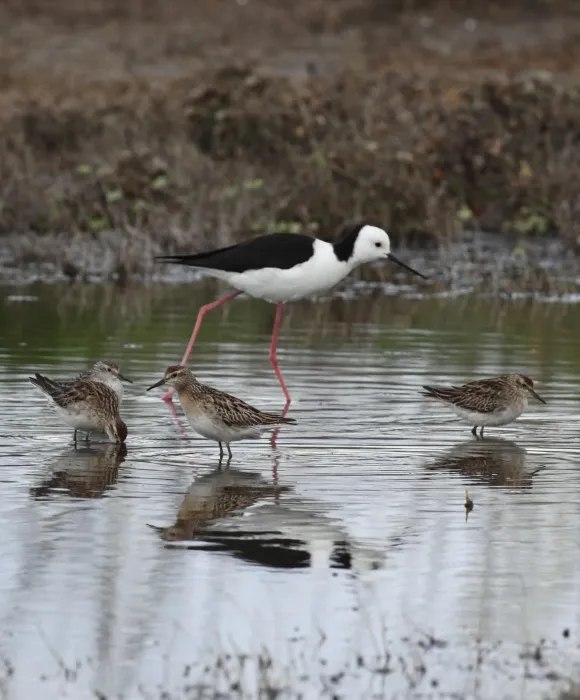
Look for Stilt Sandpipers in shallow freshwater wetlands, including marshes, flooded fields, and muddy edges of ponds and lakes. During migration, they can be found in a variety of inland wetlands and brackish lagoons, less commonly on open coastlines. They prefer areas with soft mud for probing.
How to spot
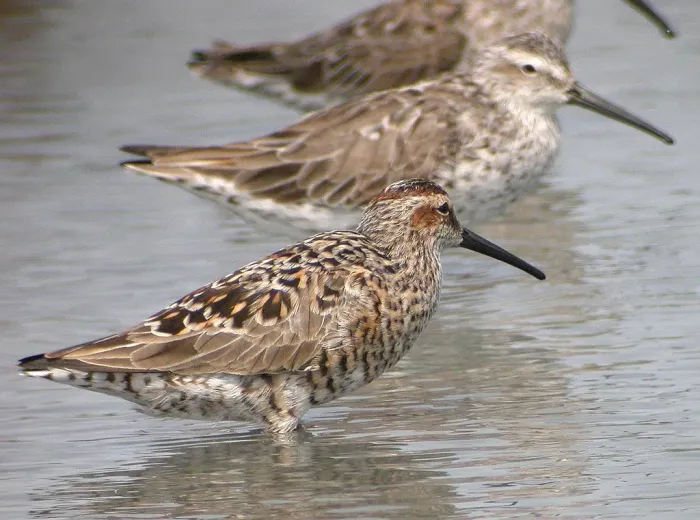
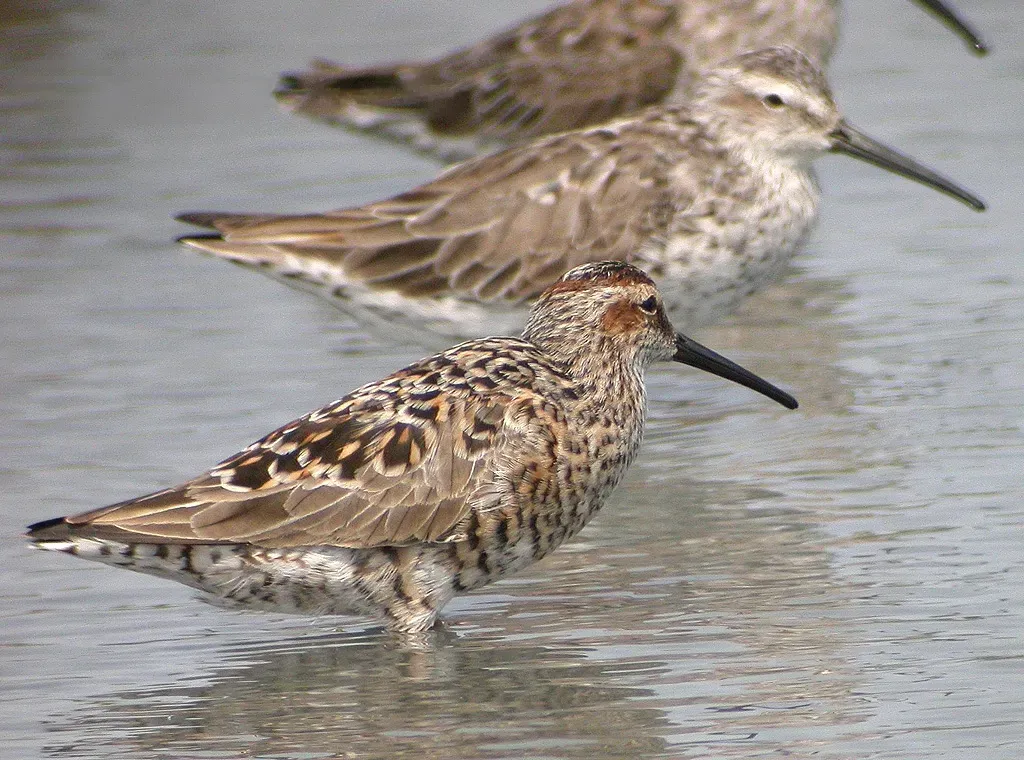
This species is easily identified by its unique feeding behavior; it wades in deep water, often up to its belly, and probes the mud with a 'sewing machine' action, sometimes submerging its entire head. Its relatively long, yellowish-green legs are a key field mark. In breeding plumage, look for distinctive barring on the flanks and a rufous cheek patch. Its call is a soft, reedy 'jeep' or 'chup'.
When to spot
Stilt Sandpipers are typically active during daylight hours. They are most readily observed during spring (April-May) and fall (July-October) migration periods across North and Central America, and in parts of South America. On their Arctic breeding grounds, they are present during the brief summer, while they spend the northern winter months in their South American non-breeding grounds.
Where to spot
Look for Stilt Sandpipers in shallow freshwater wetlands, including marshes, flooded fields, and muddy edges of ponds and lakes. During migration, they can be found in a variety of inland wetlands and brackish lagoons, less commonly on open coastlines. They prefer areas with soft mud for probing.
How to spot
This species is easily identified by its unique feeding behavior; it wades in deep water, often up to its belly, and probes the mud with a 'sewing machine' action, sometimes submerging its entire head. Its relatively long, yellowish-green legs are a key field mark. In breeding plumage, look for distinctive barring on the flanks and a rufous cheek patch. Its call is a soft, reedy 'jeep' or 'chup'.
When to spot
Stilt Sandpipers are typically active during daylight hours. They are most readily observed during spring (April-May) and fall (July-October) migration periods across North and Central America, and in parts of South America. On their Arctic breeding grounds, they are present during the brief summer, while they spend the northern winter months in their South American non-breeding grounds.


Credits:
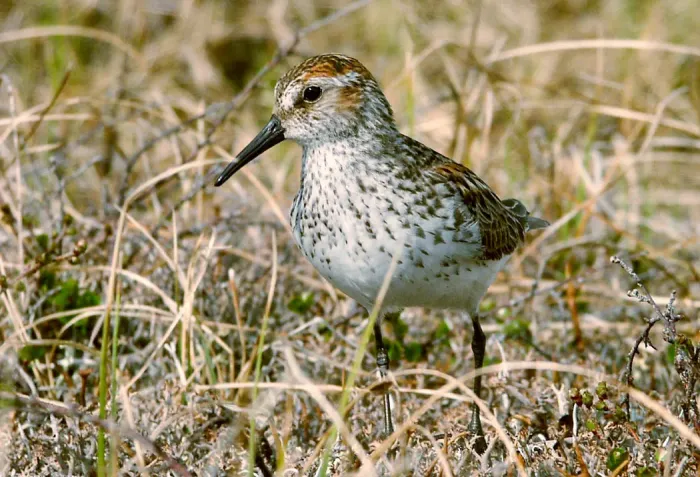
Door Len Blumin - originally posted to Flickr as STILT SANDPIPER, CC BY 2.0, https://commons.wikimedia.org/w/index.php?curid=4799352
Credits:
Wikimedia Commons
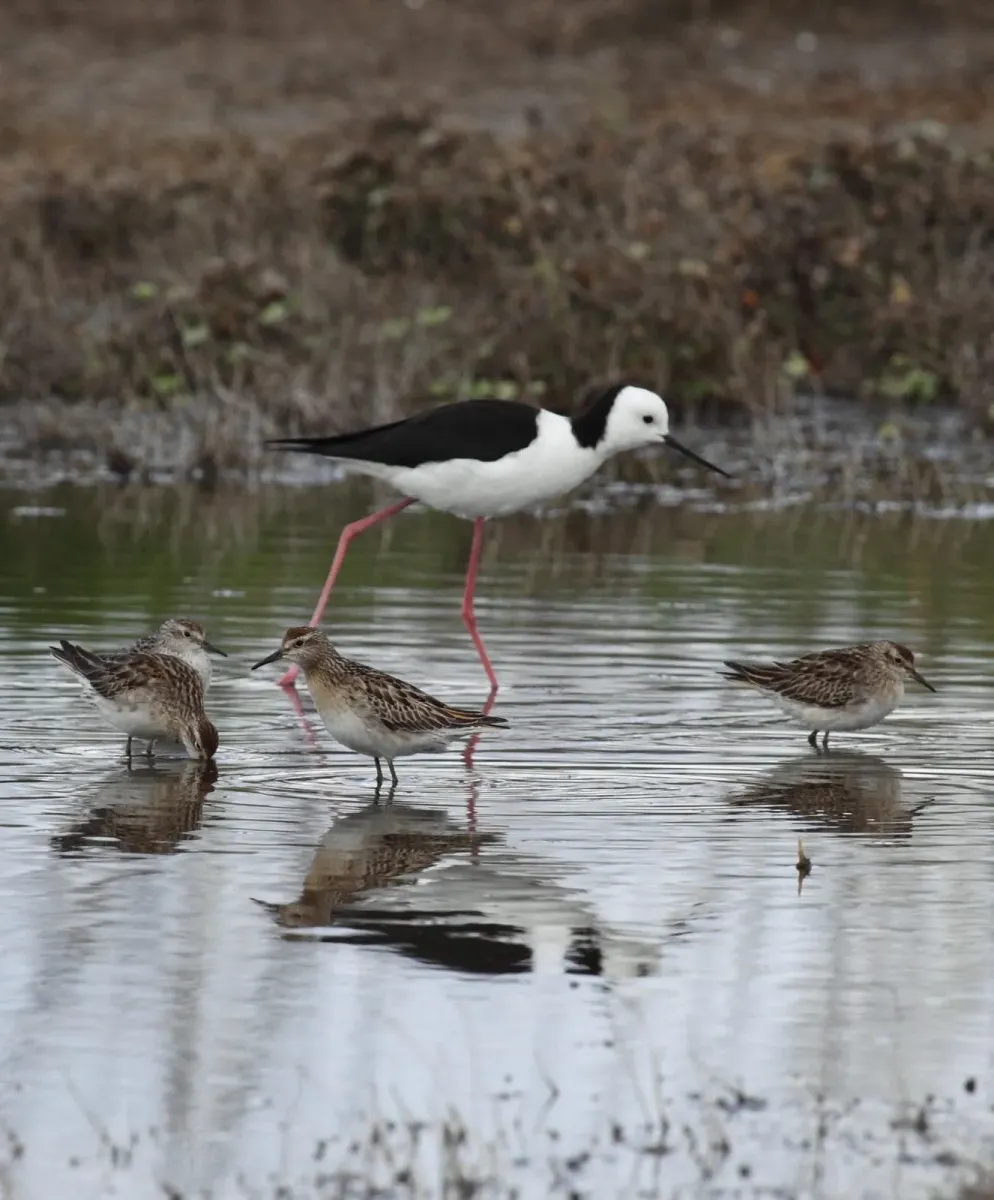
Credits:
Wikimedia Commons
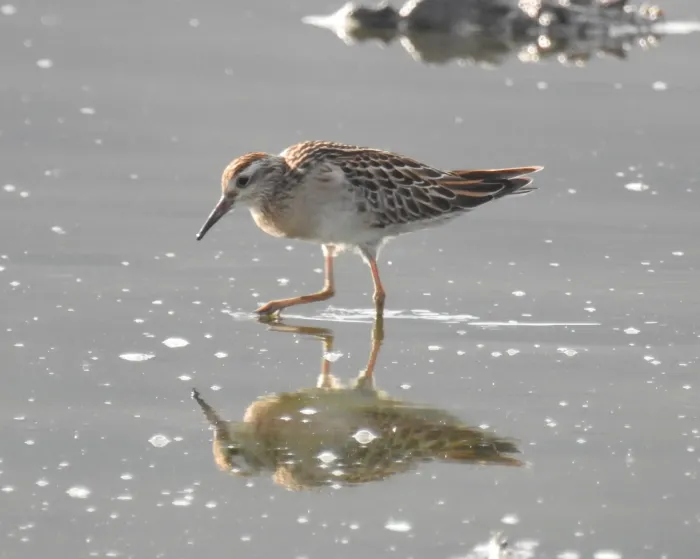
Credits:
Wikimedia Commons
The Stilt Sandpiper's common name is derived from its remarkably long, stilt-like legs, which allow it to forage in deeper water than many other similarly sized shorebirds.
Loading...
Spotted
No recently spotted birds
Monthly observations
No observations
Loading...
Nothing spotted yet
Also interesting



Share this page
Or share directly on
