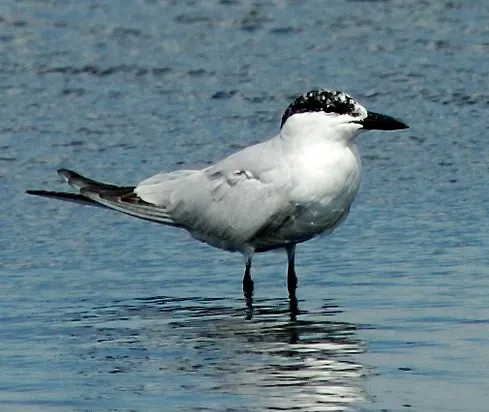
Gull-billed Tern
Gull-billed Tern
80
2 months ago
door
Henk Spuijbroek
Points:
80



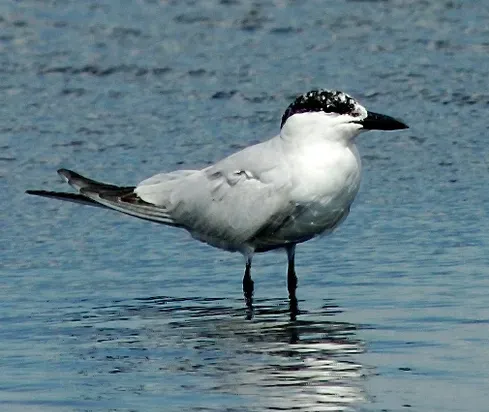
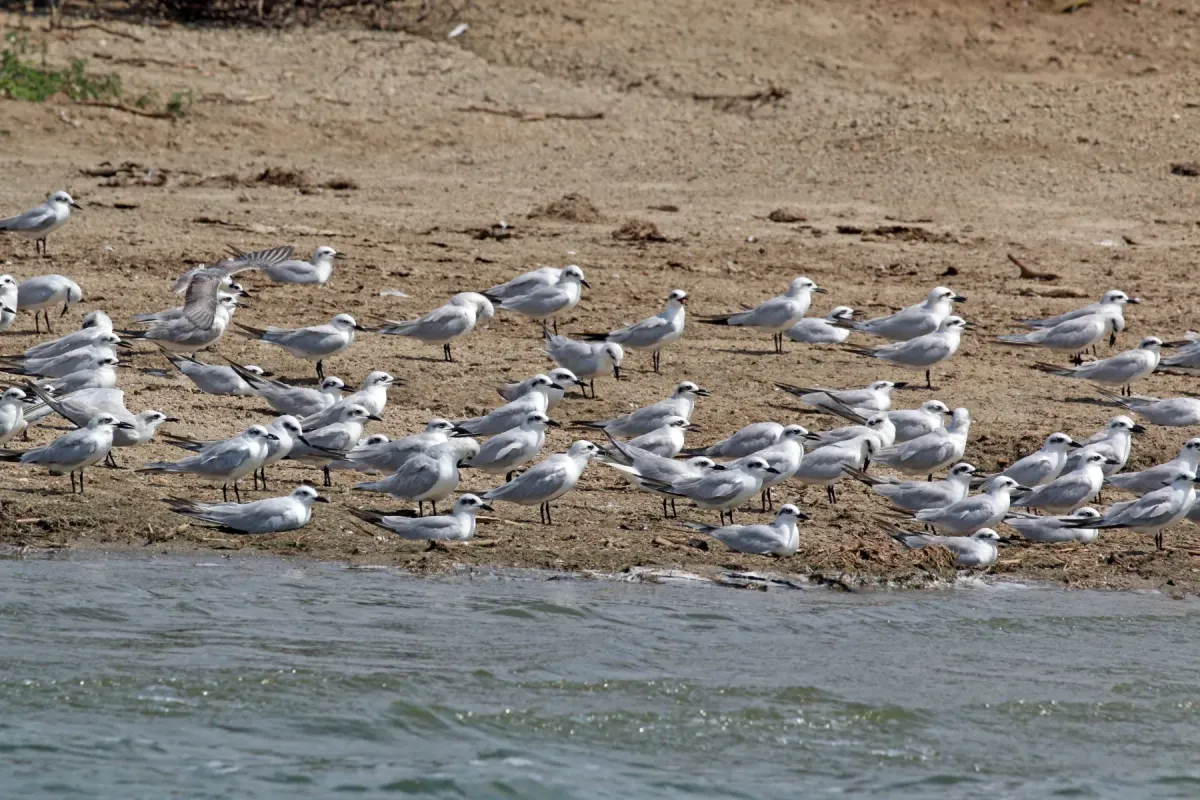
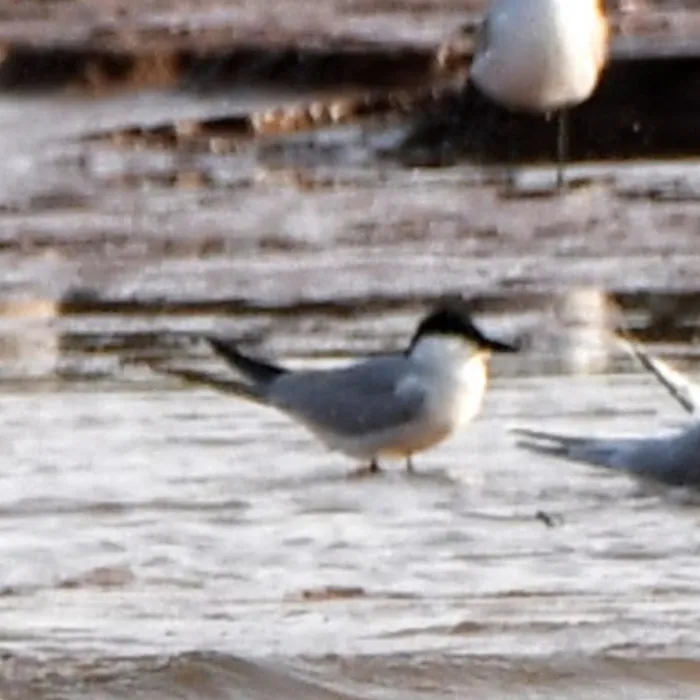
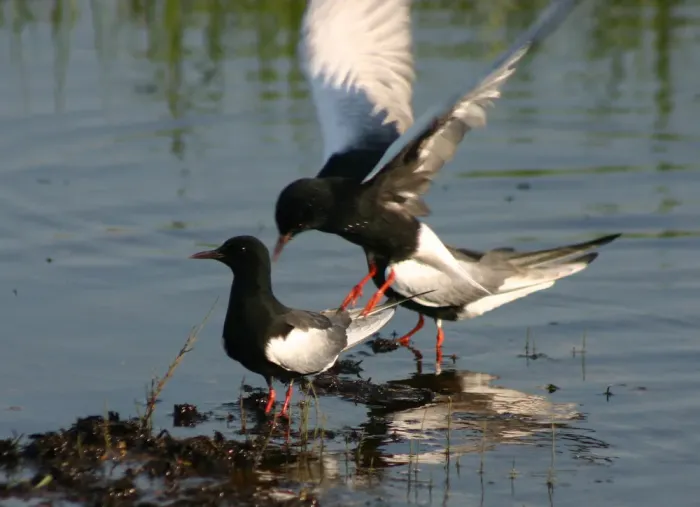
A unique tern species characterized by its short, stout, and dark bill, which is more gull-like than the typical slender bill of most terns. It feeds primarily on insects and small vertebrates, often inland.
Where to spot
Globally distributed with several subspecies, breeding in temperate and tropical regions across North America, Europe, Asia, and Australia. Winters in warmer climates, often along coasts or large wetlands.
How to spot
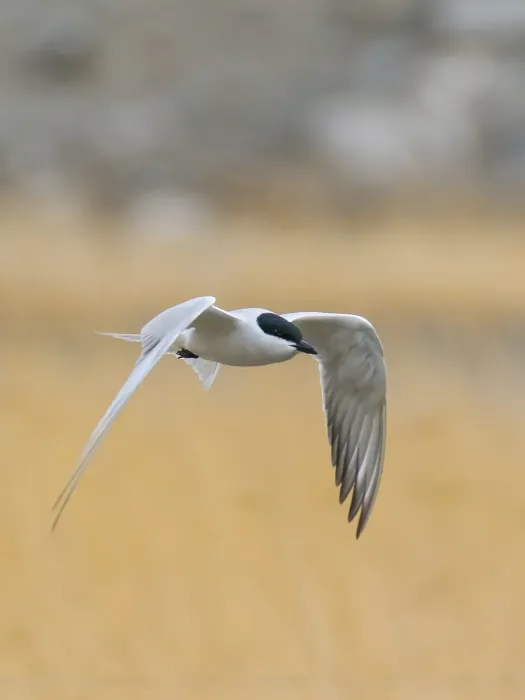
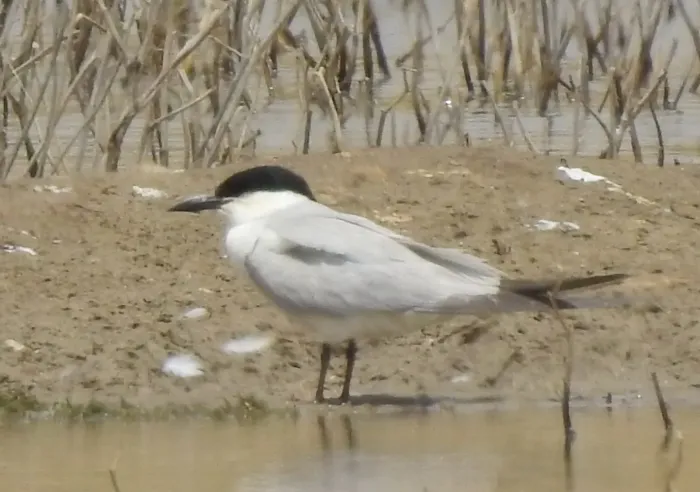
Look for its diagnostic short, stout, all-black bill and black cap (in breeding plumage). Its flight is stronger and less buoyant than most terns, and it often forages over fields and marshes rather than open water.
When to spot
Best observed during the breeding season (spring to summer) in suitable wetland habitats. Migratory populations are seen during spring and fall.
Where to spot
Globally distributed with several subspecies, breeding in temperate and tropical regions across North America, Europe, Asia, and Australia. Winters in warmer climates, often along coasts or large wetlands.
How to spot
Look for its diagnostic short, stout, all-black bill and black cap (in breeding plumage). Its flight is stronger and less buoyant than most terns, and it often forages over fields and marshes rather than open water.
When to spot
Best observed during the breeding season (spring to summer) in suitable wetland habitats. Migratory populations are seen during spring and fall.

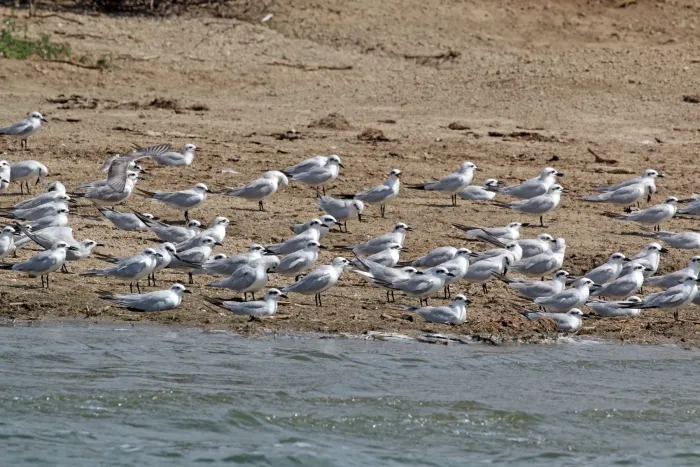

Credits:
Door Eric Kershner/USFWS - Flickr at https://www.flickr.com/photos/usfws_pacificsw/5759704018/in/photostream/, CC BY 2.0, https://commons.wikimedia.org/w/index.php?curid=21146941
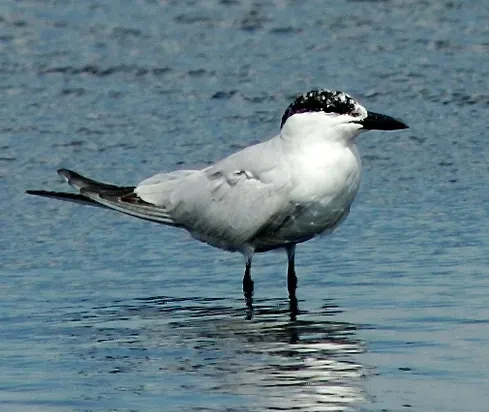
Credits:
Wikimedia Commons
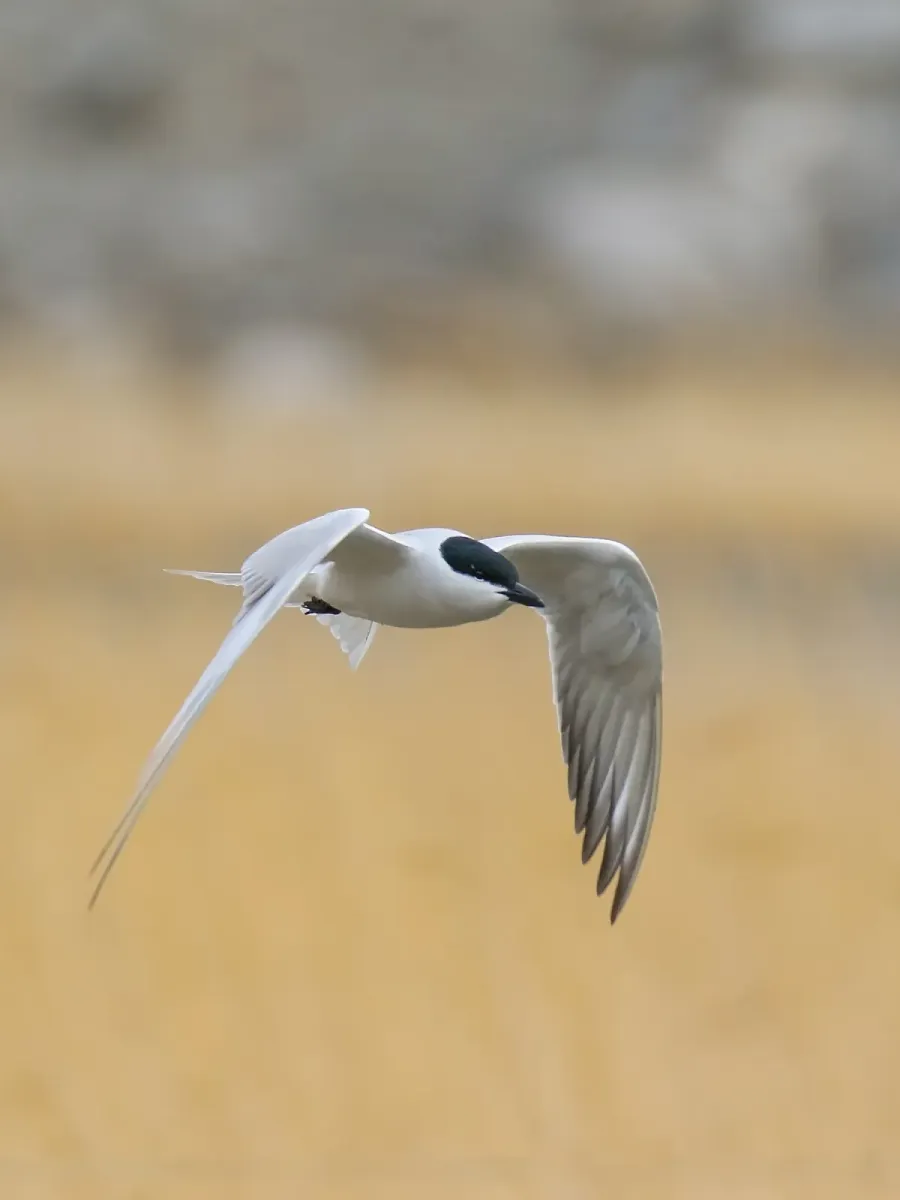
Credits:
Wikimedia Commons
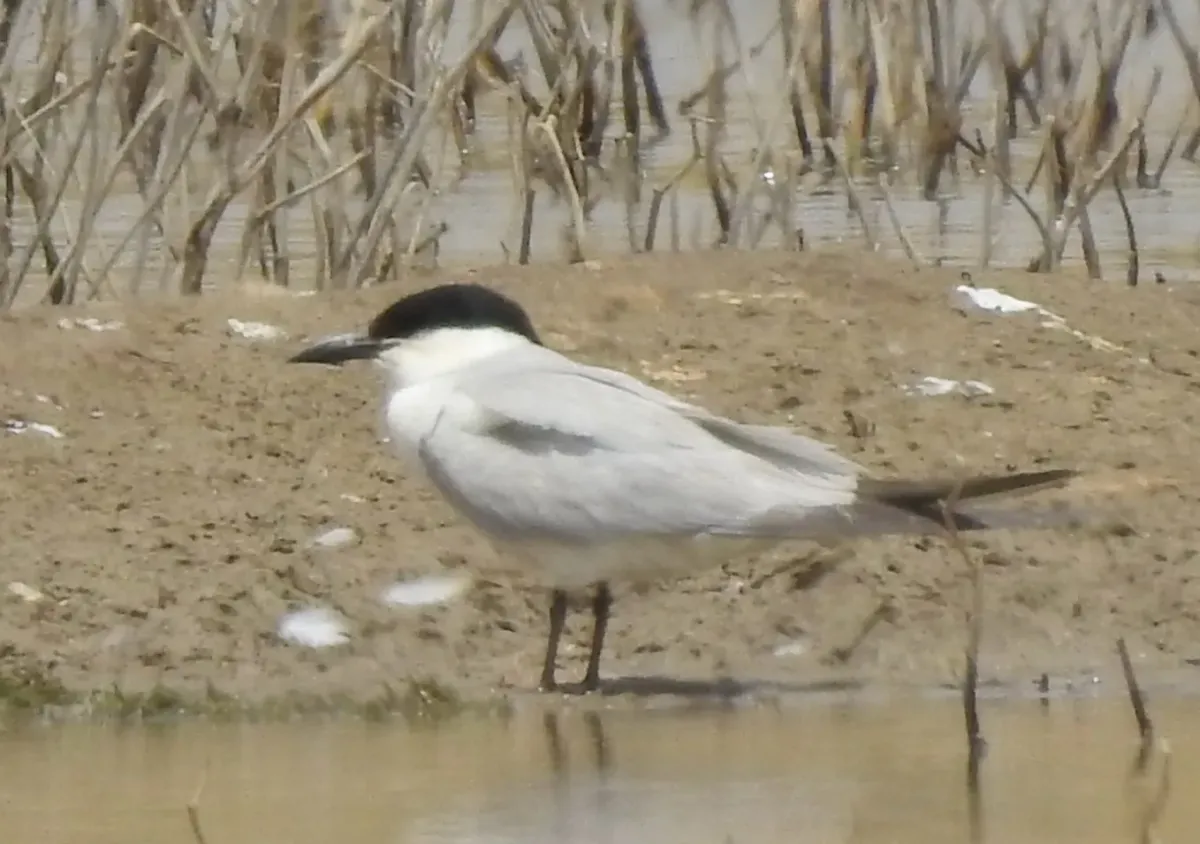
Credits:
Wikimedia Commons
Credits:
Wikimedia Commons
Unlike most terns that dive headfirst for fish, the Gull-billed Tern often forages by snatching insects, small lizards, and amphibians from the ground or surface of water, earning it the nickname "Marsh Tern."
Loading...
Spotted
- Recently spotted
- 1 (Seen in the last 3 months)
- Last spotted
- 2 months ago door Henk Spuijbroek
Monthly observations
4 observations
Loading...



Also interesting






Share this page
Or share directly on
