Where to spot
Breeds in western North America (from Alaska to California), migrates through most of North America, and winters along the Gulf Coast of the United States and Mexico. Found in diverse habitats from forests and mountains to gardens and parks.
How to spot
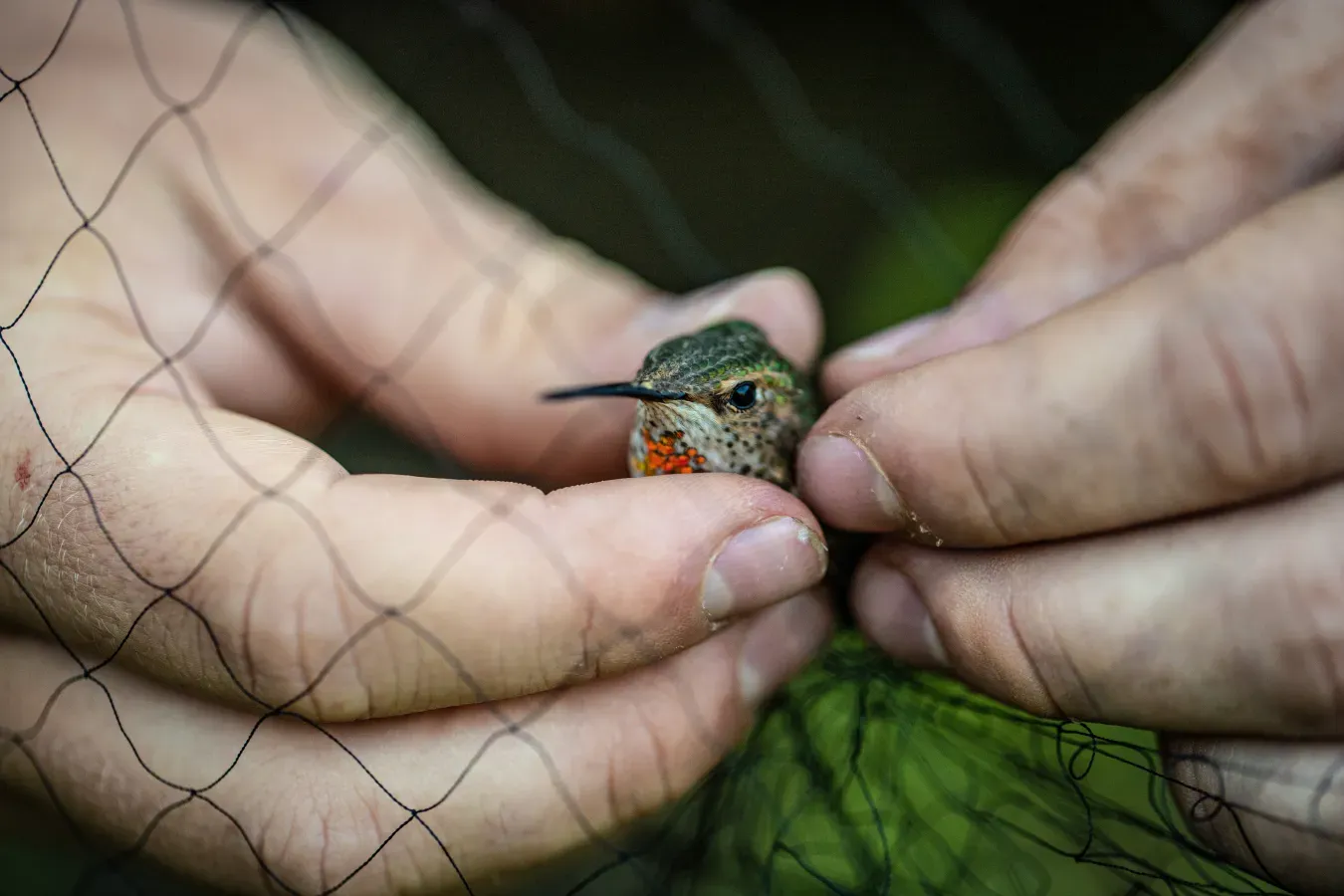
Look for the males' distinctive iridescent orange coloration and their aggressive behavior at feeders and flowers. Females and immatures have rufous flanks and tail bases. Listen for their characteristic chattering calls and the distinctive whirring of their wings.
When to spot
Breeding occurs from late spring to summer in the north; spring (northbound) and late summer/fall (southbound) are peak migration times; winters in the southern parts of its range.
Where to spot
Breeds in western North America (from Alaska to California), migrates through most of North America, and winters along the Gulf Coast of the United States and Mexico. Found in diverse habitats from forests and mountains to gardens and parks.
How to spot
Look for the males' distinctive iridescent orange coloration and their aggressive behavior at feeders and flowers. Females and immatures have rufous flanks and tail bases. Listen for their characteristic chattering calls and the distinctive whirring of their wings.
When to spot
Breeding occurs from late spring to summer in the north; spring (northbound) and late summer/fall (southbound) are peak migration times; winters in the southern parts of its range.


Credits:
Wikimedia Commons

Credits:
Wikimedia Commons

Credits:
Wikimedia Commons

Credits:
Wikimedia Commons

Credits:
Wikimedia Commons

Credits:
Wikimedia Commons
Rufous Hummingbirds undertake one of the longest migratory journeys of any bird in the world, traveling up to 3,900 miles (over 6,000 km) annually from Alaska to Mexico and back.



Also interesting




Share this page
Or share directly on
