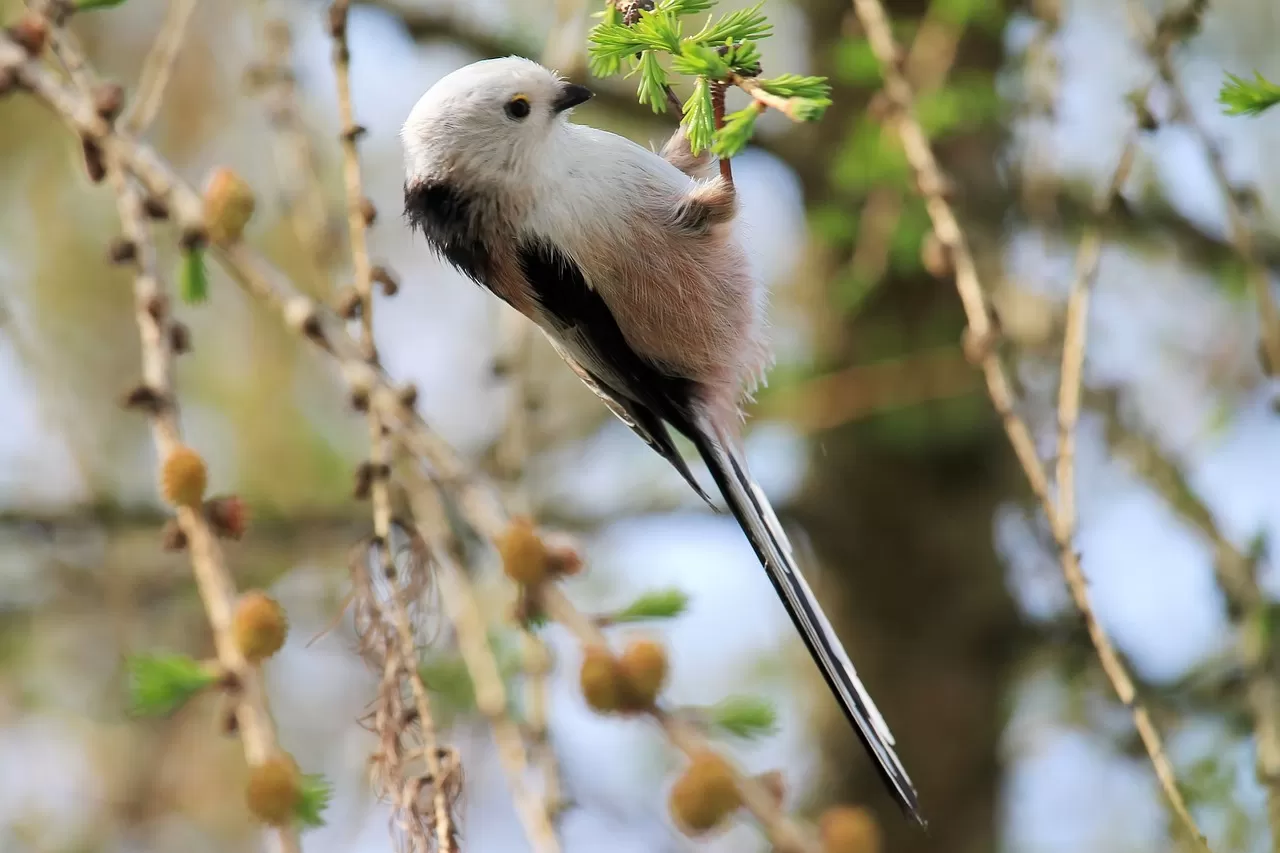
Long-tailed Tit


























































Where to spot
Widespread across Europe and Asia, inhabiting deciduous and mixed woodlands, scrub, hedgerows, parks, and gardens. Primarily a resident species.
How to spot
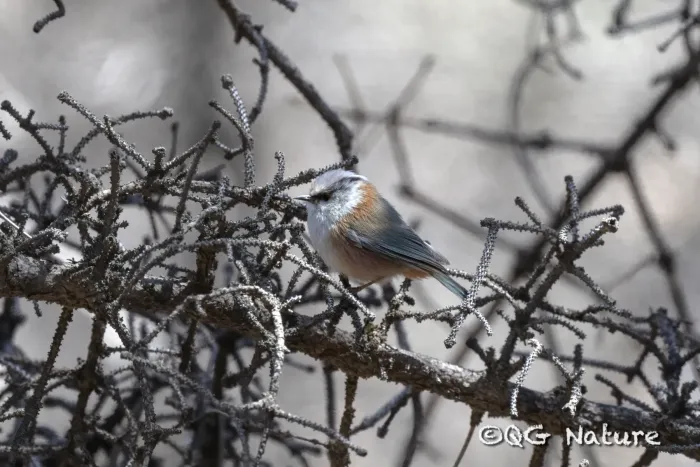
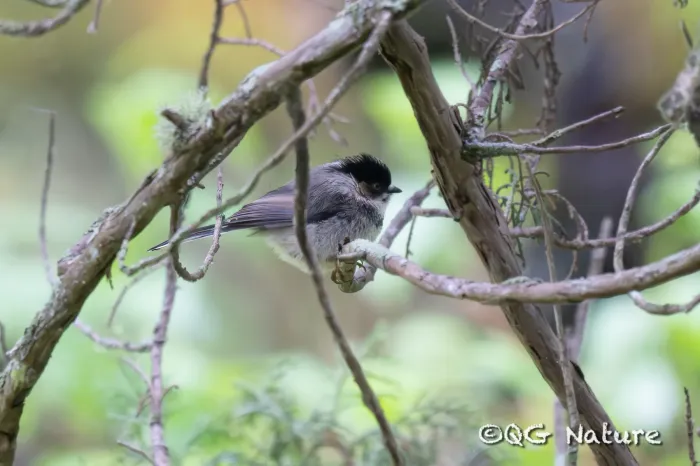
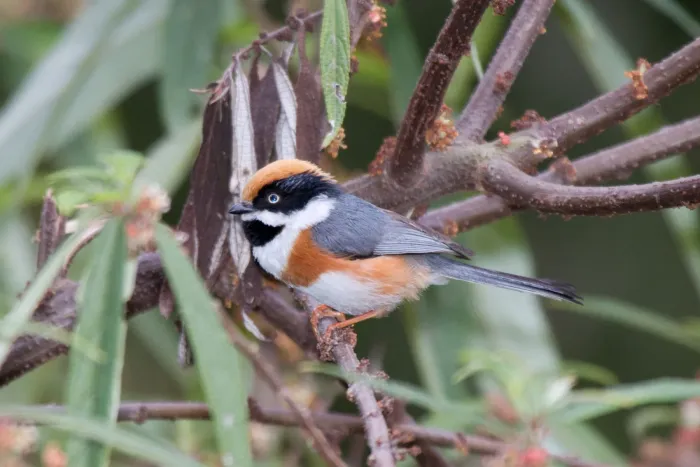
Look for its tiny body, fluffy white head (often with a dark stripe above the eye, depending on subspecies), and extremely long black and white tail. Listen for their high-pitched 'tsee-tsee-tsee' calls. They move constantly, often hanging upside down, making quick observations challenging but rewarding.
When to spot
Can be observed year-round. Most visible in autumn and winter when they form noisy foraging flocks, making them easier to spot as they move through leafless branches.
Where to spot
Widespread across Europe and Asia, inhabiting deciduous and mixed woodlands, scrub, hedgerows, parks, and gardens. Primarily a resident species.
How to spot
Look for its tiny body, fluffy white head (often with a dark stripe above the eye, depending on subspecies), and extremely long black and white tail. Listen for their high-pitched 'tsee-tsee-tsee' calls. They move constantly, often hanging upside down, making quick observations challenging but rewarding.
When to spot
Can be observed year-round. Most visible in autumn and winter when they form noisy foraging flocks, making them easier to spot as they move through leafless branches.


Credits:
hansbenn

Credits:
Alexas_Fotos

Credits:
jggrz

Credits:
Kathy_Büscher

Credits:
Pixamio

Credits:
koala0815

Credits:
jggrz

Credits:
josef805

Credits:
Kathy_Büscher
Long-tailed Tits build elaborate, elastic, dome-shaped nests woven with moss and lichen, bound with spider silk, and lined with hundreds of feathers. Several family members often assist the breeding pair in raising the chicks.
Loading...
Spotted

Monthly observations
680 observations
Loading...







Also interesting




Share this page
Or share directly on
