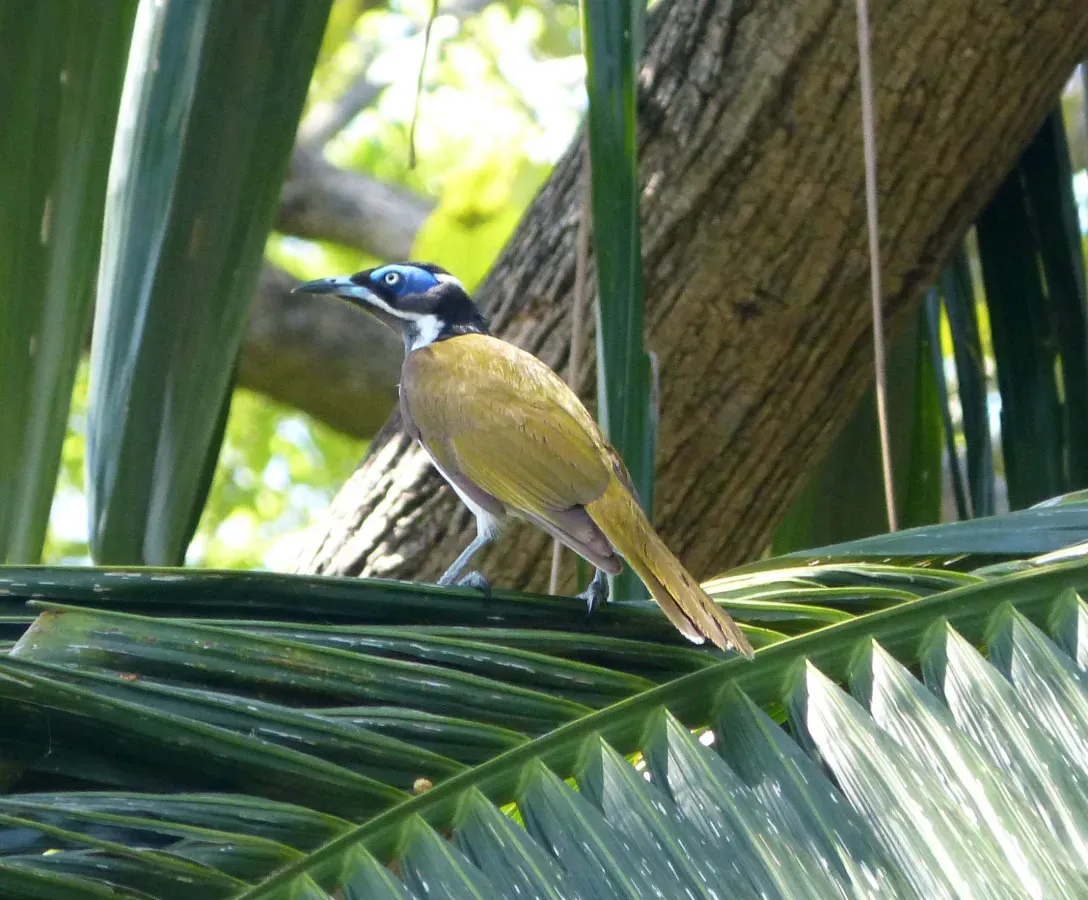
Blue-faced Honeyeater
Where to spot
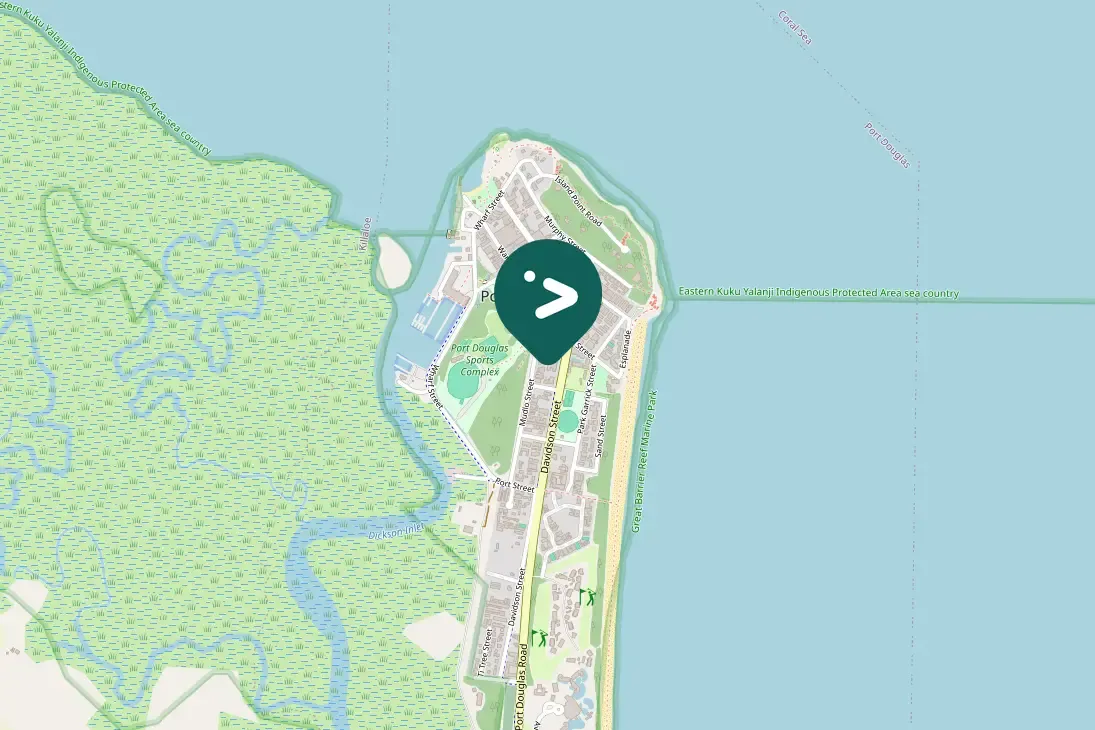
Found in open woodlands, forests, and suburban areas across northern and eastern Australia, and southern New Guinea. Adapts well to human-modified landscapes.
How to spot
Its bright blue facial patch makes it unmistakable. Listen for its loud, trumpeting calls, which are quite distinctive. Often seen in groups, sometimes at bird feeders in suburban areas.
When to spot
Active and vocal year-round. Often seen foraging in flowering trees or on the ground, particularly in the morning and late afternoon.
Where to spot
Found in open woodlands, forests, and suburban areas across northern and eastern Australia, and southern New Guinea. Adapts well to human-modified landscapes.
How to spot
Its bright blue facial patch makes it unmistakable. Listen for its loud, trumpeting calls, which are quite distinctive. Often seen in groups, sometimes at bird feeders in suburban areas.
When to spot
Active and vocal year-round. Often seen foraging in flowering trees or on the ground, particularly in the morning and late afternoon.


Credits:
Wikimedia Commons

Credits:
Wikimedia Commons

Credits:
Wikimedia Commons

Credits:
Wikimedia Commons

Credits:
Wikimedia Commons
This highly social species often lives in family groups and engages in cooperative breeding, with multiple birds, including non-breeding helpers, assisting in raising young.

Also interesting


Share this page
Or share directly on
